



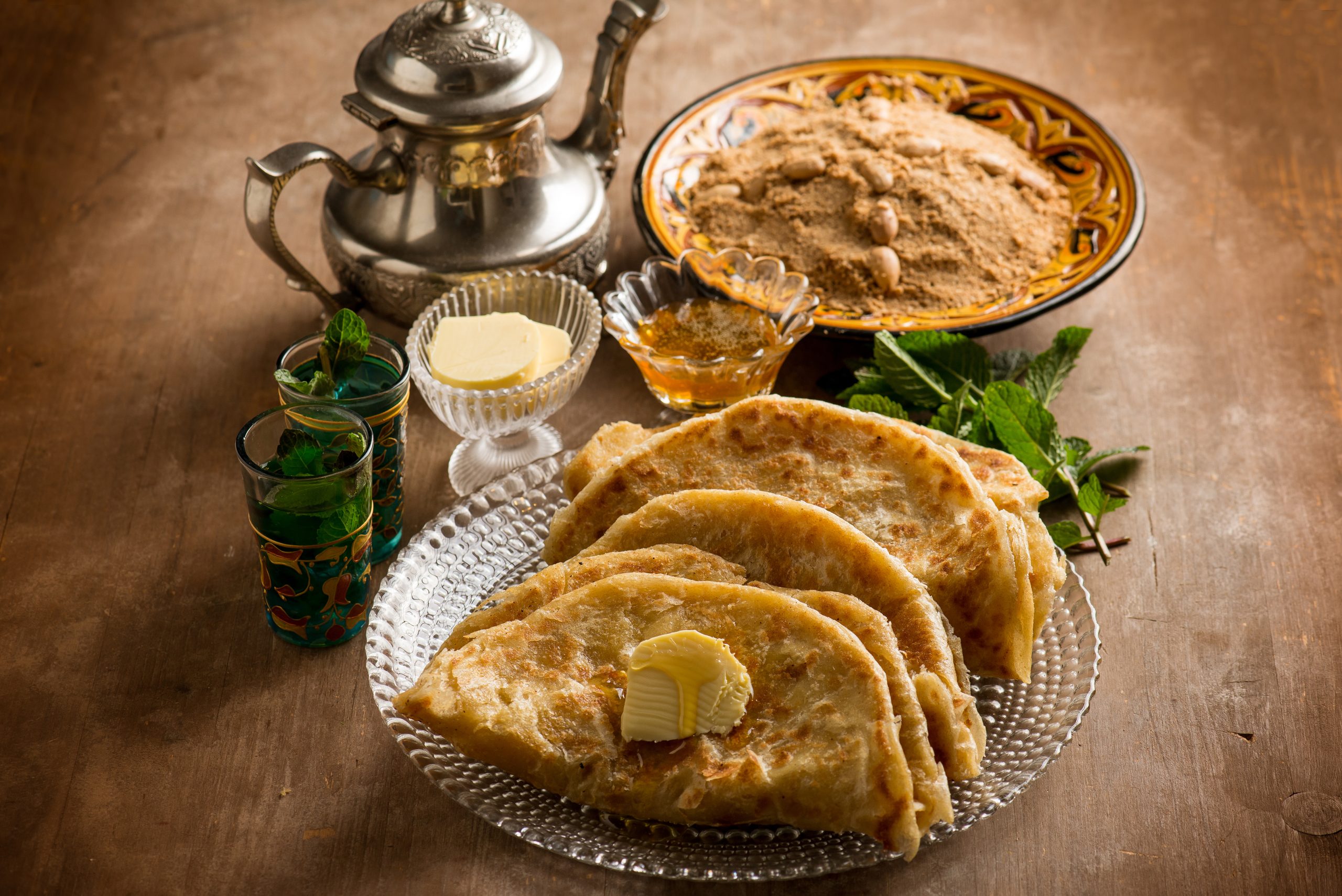
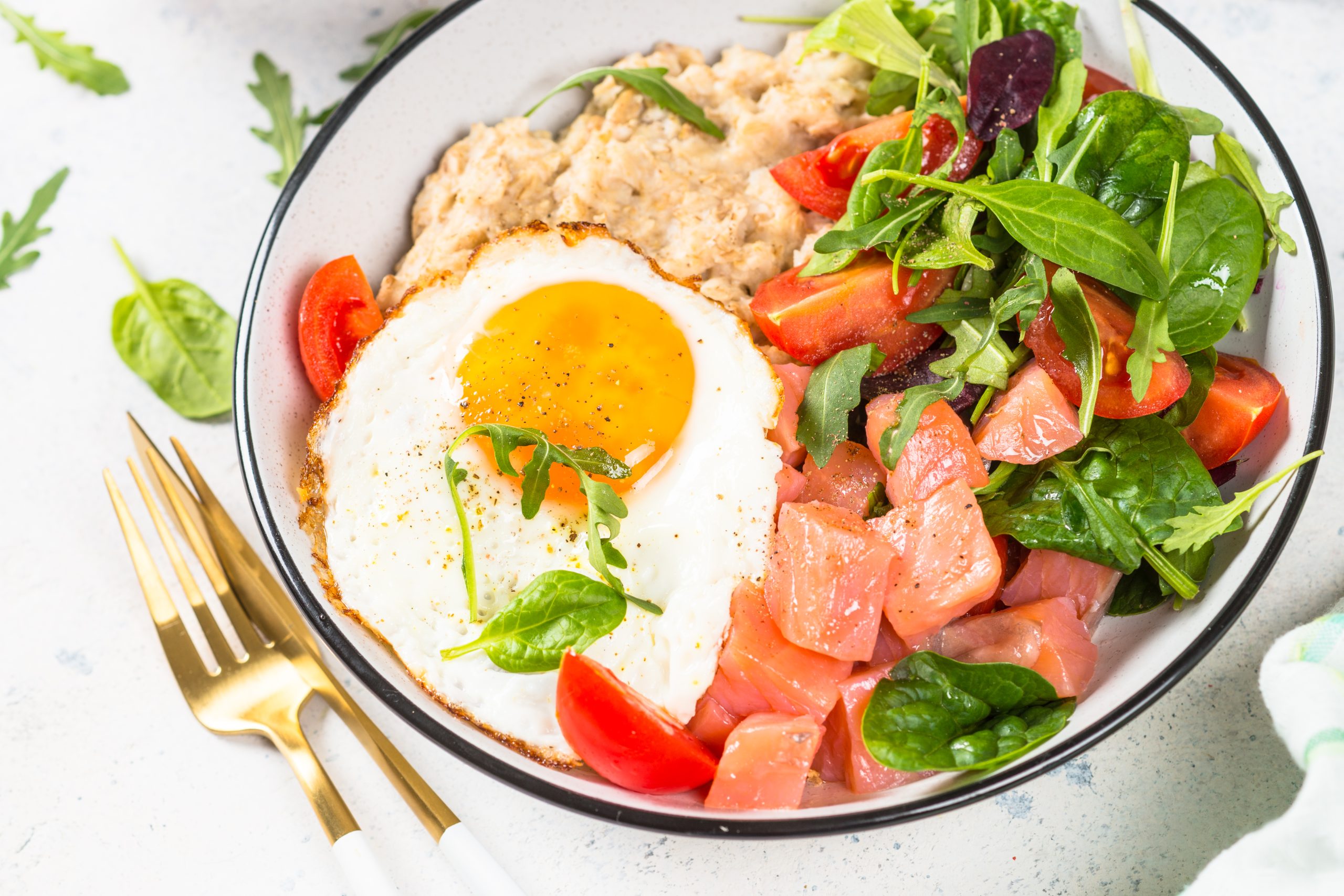

Halal Cooking Techniques Halal Cooking Tips

Essential Halal Cooking Techniques for Beginners

Cooking halal food at home is not just about using halal-certified ingredients; it’s also about mastering techniques that ensure your meals are flavorful, safe, and authentic. Whether you’re preparing everyday meals, quick snacks, or indulgent weekend dishes, understanding basic halal cooking techniques will help you create delicious dishes while adhering to dietary laws.

Halal Cooking Techniques Halal Cooking Tips

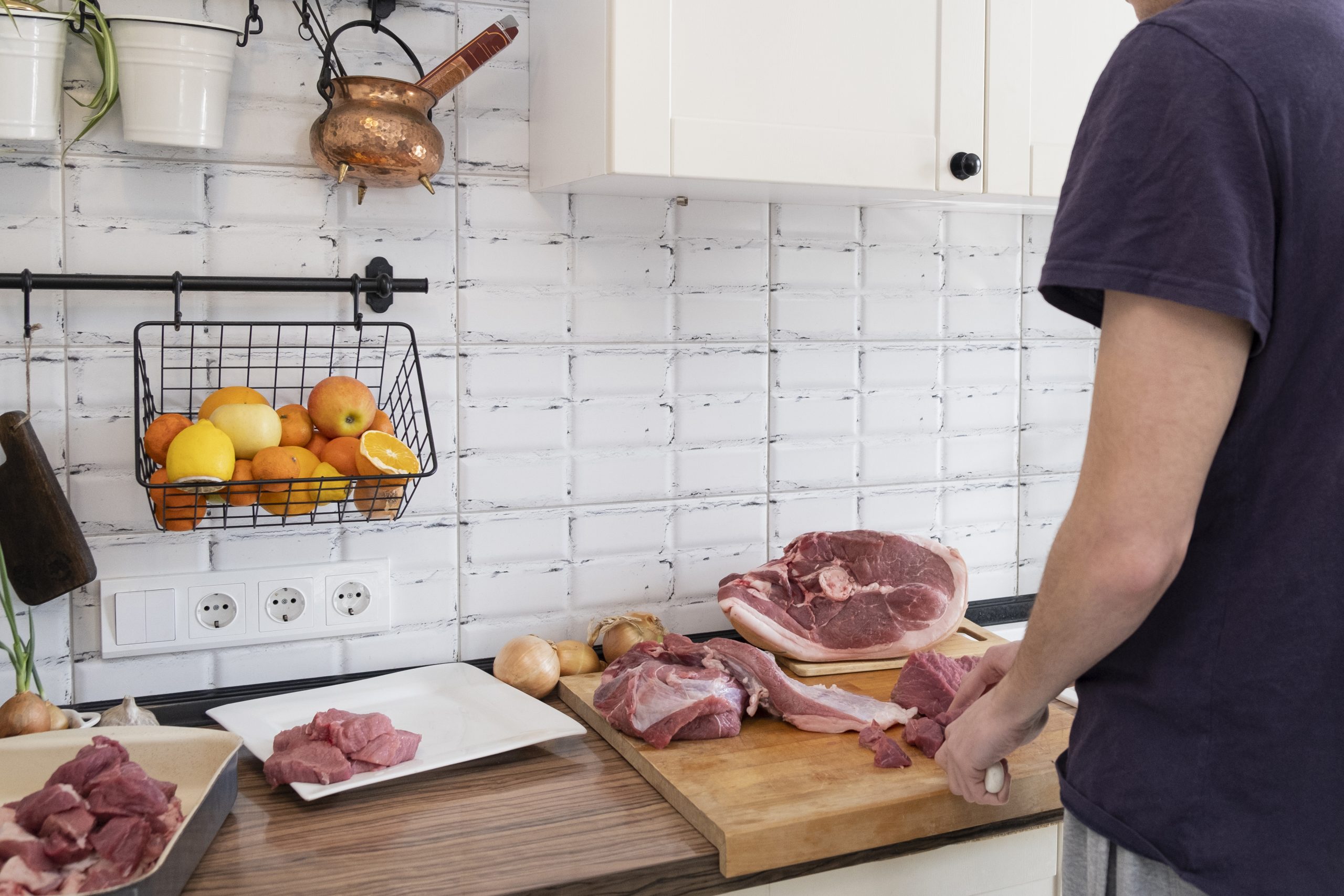
How to Cook Perfect Halal Meat

Cooking halal meat to perfection is both an art and a science. Whether it’s chicken, beef, lamb, or goat, preparing halal meat properly ensures juiciness, flavor, tenderness, and compliance with dietary laws. For beginners and seasoned cooks alike, understanding the right techniques, seasonings, and cooking methods is essential to elevate everyday meals into delicious halal dishes.

Halal Cooking Techniques Halal Cooking Tips

Simple Cooking Methods for Halal Meals

Cooking halal meals at home doesn’t have to be complicated. With a few basic techniques, fresh halal ingredients, and proper seasoning, you can prepare delicious, nutritious, and satisfying meals for yourself and your family. Whether you’re new to cooking or looking to simplify your kitchen routine, understanding simple cooking methods for halal meals is essential.

Halal Cooking Tips Halal Ingredient Guide

Common Halal Ingredients You Should Know

Cooking halal meals isn’t just about avoiding non-halal items—it’s about understanding the ingredients that comply with Islamic dietary laws and knowing how to use them to create delicious, wholesome dishes. Whether you’re a beginner or an experienced cook, familiarizing yourself with common halal ingredients helps ensure that your meals are safe, flavorful, and fully compliant.

Halal Cooking Tips Halal Ingredient Guide

How to Identify Halal Food Ingredients

For anyone following Islamic dietary laws, identifying halal food ingredients is essential. Halal, meaning “permissible” in Arabic, refers to foods that comply with Islamic law. While some ingredients are obviously halal, others can be hidden or processed in ways that make them non-halal. Knowing how to identify halal food ingredients ensures your meals are safe, wholesome, and compliant.

Halal Cooking Tips Halal Ingredient Guide

Best Halal Substitutes for Cooking

Cooking halal meals doesn’t just mean using halal-certified meat—it often involves replacing non-halal ingredients with permissible alternatives to maintain flavor, texture, and authenticity. Many common recipes, especially from global cuisines, contain ingredients like pork, alcohol, or non-halal gelatin. Knowing the best halal substitutes allows you to enjoy your favorite dishes without compromising your dietary standards.

Halal Cooking Tips Kitchen Tips

Smart Kitchen Tips for Halal Cooking

Cooking halal meals at home can be simple, efficient, and delicious when you know a few smart kitchen tips. Halal cooking is more than just using halal-certified meat—it involves proper ingredient handling, hygiene, preparation, and organization to create meals that are safe, flavorful, and wholesome. Whether you’re a beginner or an experienced cook, implementing smart kitchen strategies can save time, reduce stress, and enhance your cooking results.

Halal Cooking Tips Kitchen Tips

Food Storage Tips for Halal Ingredients

Proper storage of halal ingredients is essential to maintain freshness, flavor, and safety. Halal cooking requires attention not only to the type of ingredients used but also to how they are stored, to prevent contamination with non-halal items and to preserve their nutritional value. Whether you’re storing meat, dairy, grains, or spices, following smart storage practices ensures that your halal meals are safe, wholesome, and delicious.

Halal Eatable is your trusted place to discover delicious halal recipes, snacks, desserts, and food guides from around the world

Get Latest Updates and big deals

    Digaptics @2026. All Rights Reserved.