



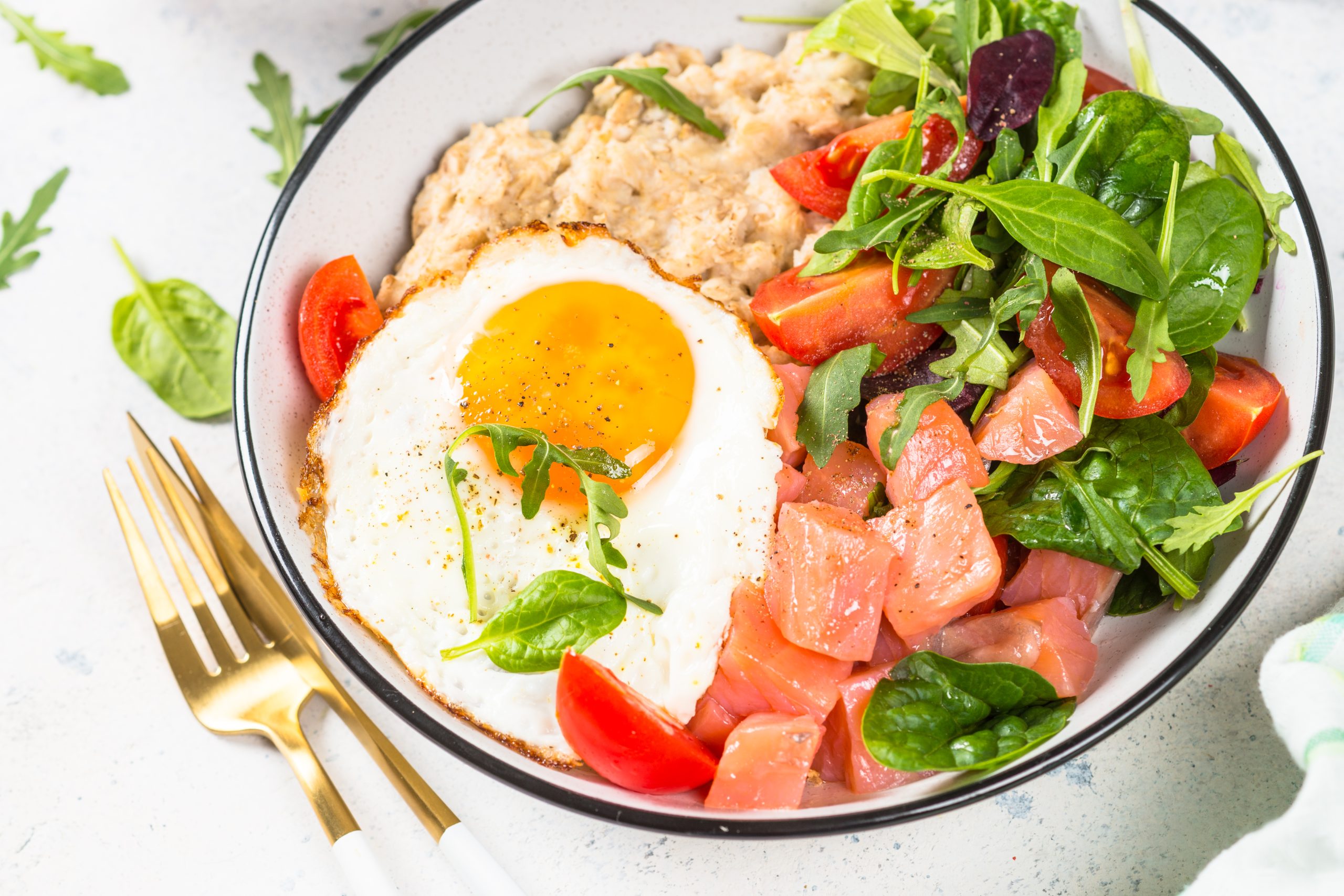
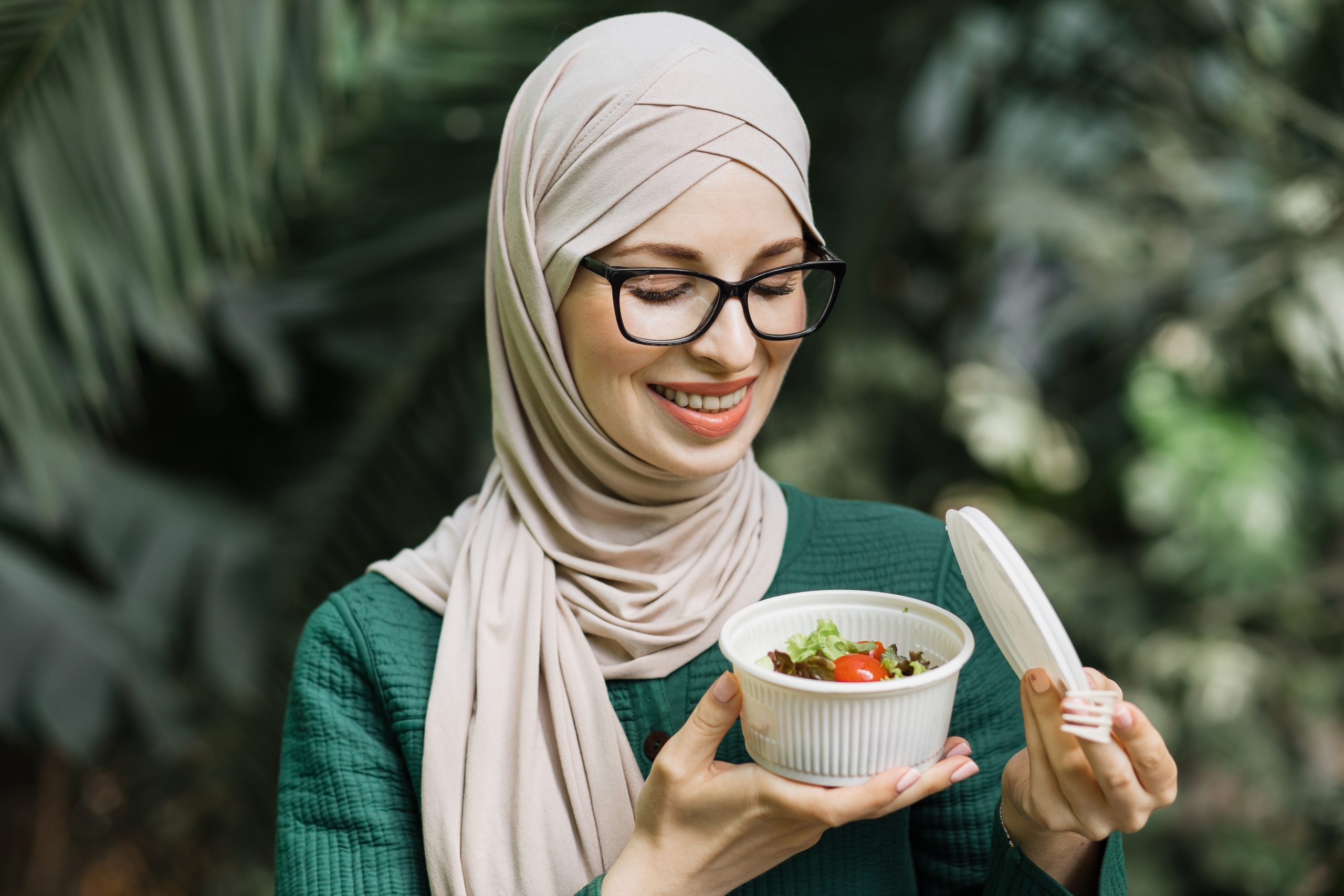

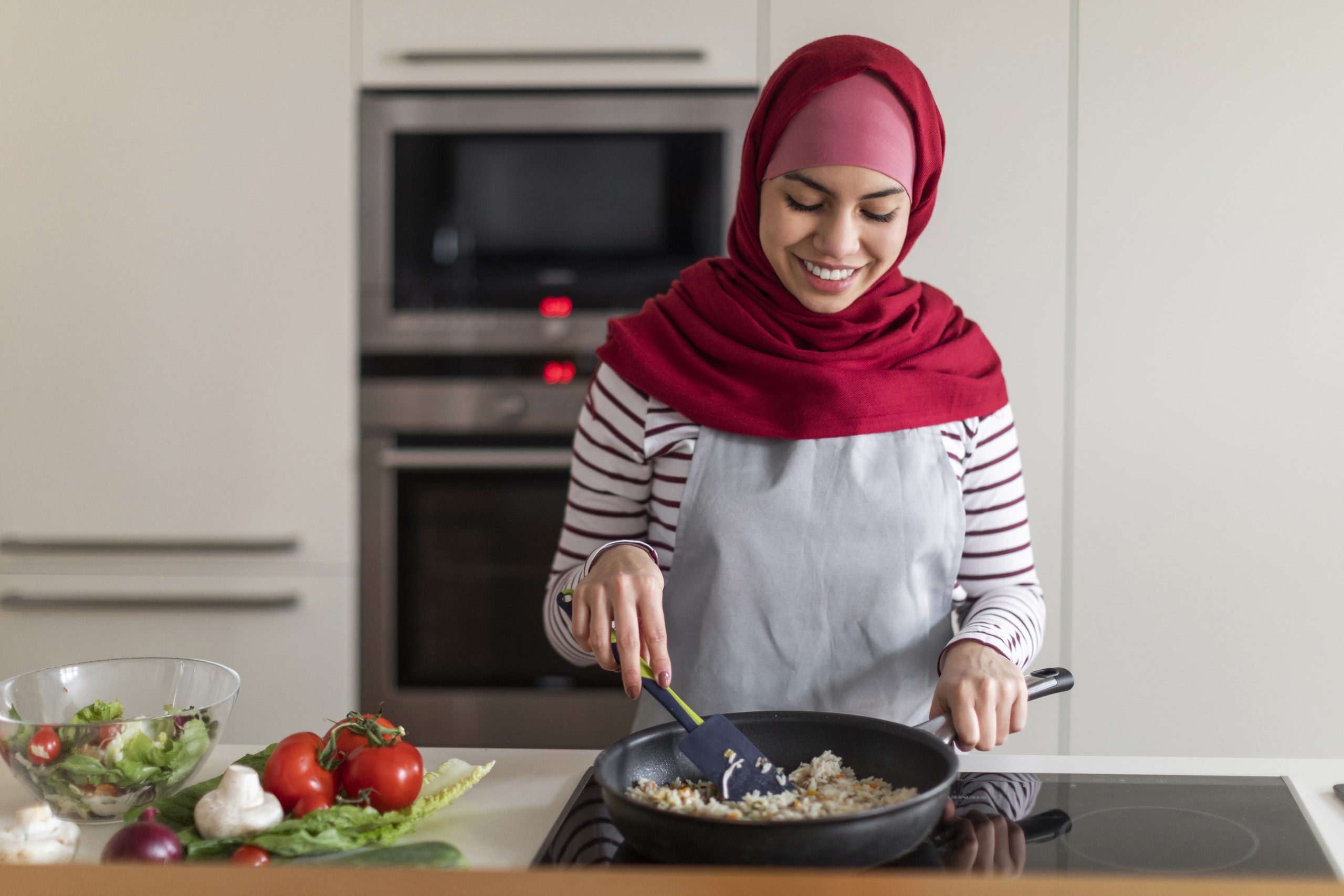
Cooking halal meals at home doesn’t have to be complicated. With a few basic techniques, fresh halal ingredients, and proper seasoning, you can prepare delicious, nutritious, and satisfying meals for yourself and your family. Whether you’re new to cooking or looking to simplify your kitchen routine, understanding simple cooking methods for halal meals is essential.
This blog will guide you through easy, beginner-friendly cooking methods, tips for maximizing flavor, and ways to prepare wholesome halal meals quickly and efficiently.
Why Simple Cooking Methods Matter
Using simple methods for halal meals is beneficial because:
-
Saves Time: Quick techniques allow you to prepare meals without spending hours in the kitchen.
-
Enhances Flavor: Proper methods bring out the natural taste of halal meat, vegetables, and grains.
-
Maintains Nutrition: Gentle cooking preserves vitamins, minerals, and protein.
-
Ensures Halal Compliance: Proper handling prevents cross-contamination with non-halal ingredients.
-
Encourages Creativity: Simple techniques make it easy to experiment with spices, sauces, and pairings.
By mastering simple methods, beginners can prepare wholesome halal meals confidently.
1. Grilling
Grilling is a healthy and flavorful way to cook halal meats and vegetables.
-
How to Do It: Preheat your grill or stovetop grill pan. Season halal meat or vegetables and cook over medium-high heat. Turn occasionally to ensure even cooking.
-
Ideal Foods: Chicken breasts, kebabs, lamb chops, beef steaks, fish, bell peppers, zucchini.
-
Tips:
-
Avoid overcooking to retain juiciness.
-
Lightly oil the grill or meat to prevent sticking.
-
Marinate meat beforehand for added flavor.
-
Grilled halal meals are perfect for family dinners or weekend barbecues, combining ease with great taste.
2. Sautéing and Stir-Frying
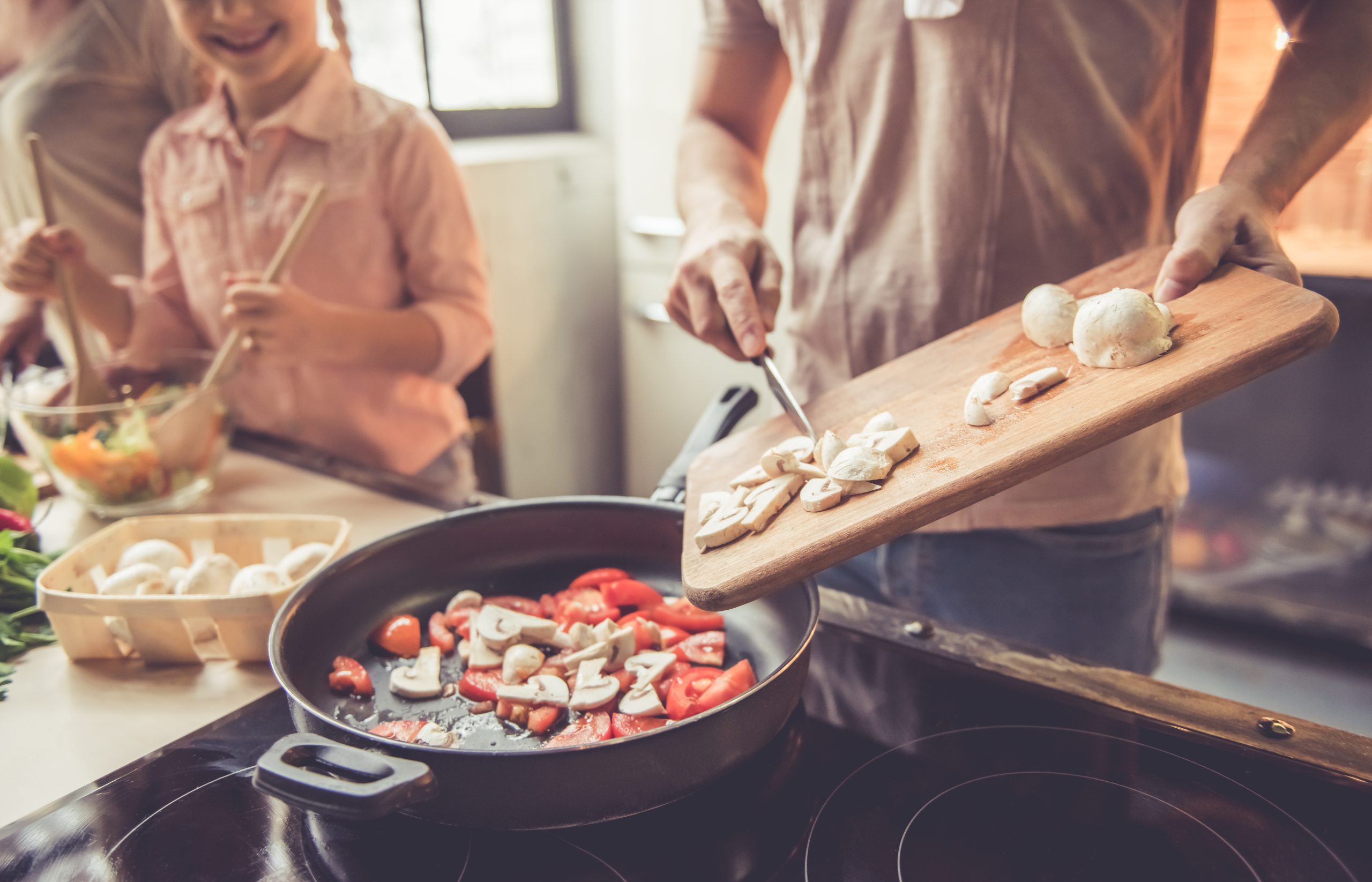
Sautéing or stir-frying is a quick method that locks in flavor and texture.
-
How to Do It: Heat a small amount of oil in a pan. Cook halal meat, vegetables, or tofu over medium-high heat while stirring frequently.
-
Ideal Foods: Chicken strips, beef slices, shrimp, vegetables like broccoli, carrots, or bell peppers.
-
Tips:
-
Cut ingredients uniformly for even cooking.
-
Use minimal oil for a healthier option.
-
Add spices or sauces toward the end to enhance flavor.
-
This method is perfect for weeknight dinners or preparing quick halal meals in under 30 minutes.
3. Baking and Roasting
Baking and roasting are hands-off methods that develop rich flavors.
-
How to Do It: Preheat the oven, season meat or vegetables, and place them on a baking tray or roasting pan. Cook at moderate heat until done.
-
Ideal Foods: Whole chicken, lamb leg, salmon fillets, potatoes, carrots, squash.
-
Tips:
-
Baste meat with oil or yogurt-based marinades to keep it moist.
-
Roast vegetables with a drizzle of olive oil and spices for added flavor.
-
Use a meat thermometer to ensure proper internal temperature.
-
Baked or roasted halal meals are perfect for meal prep or family gatherings because they require minimal attention during cooking.
4. Boiling and Steaming
Boiling and steaming are simple methods that preserve nutrients and tenderness.
-
How to Do It: Boil water or broth for soups, rice, or grains. Steam vegetables in a basket over simmering water.
-
Ideal Foods: Rice, lentils, beans, broccoli, green beans, fish.
-
Tips:
-
Avoid overcooking vegetables to retain color and crunch.
-
Use broth instead of water to enhance flavor.
-
Add aromatics like garlic, onions, or bay leaves for extra taste.
-
Boiling and steaming are excellent for balanced, healthy halal meals, especially when paired with grilled or sautéed proteins.
5. Slow Cooking and Braising
Slow cooking and braising are perfect for tender halal meats and flavorful stews.
-
How to Do It: Cook meat or vegetables in liquid over low heat for an extended period, either on the stovetop or in a slow cooker.
-
Ideal Foods: Lamb shanks, beef stew, chicken thighs, curries.
-
Tips:
-
Use spices, herbs, and aromatics to infuse flavor during long cooking.
-
Cover the pot to retain moisture and prevent drying out.
-
Check occasionally to ensure the liquid level is sufficient.
-
This method is ideal for weekend meals or preparing dishes in advance.
6. Quick Tips for Cooking Halal Meals
-
Use Halal-Certified Ingredients: Ensure all meat, poultry, sauces, and dairy are halal.
-
Cut Ingredients Uniformly: Even pieces cook more consistently.
-
Season Properly: Salt, spices, and herbs enhance flavor.
-
Avoid Cross-Contamination: Use separate utensils for raw and cooked meats.
-
Cook to Safe Temperatures: Chicken (165°F/75°C), lamb and beef (medium rare 145°F/63°C, medium 160°F/71°C).
Conclusion
Simple cooking methods make preparing halal meals easy, quick, and delicious. Whether you choose grilling, sautéing, baking, boiling, steaming, or slow cooking, each method has its own advantages and flavor profile. By mastering these techniques, beginners can confidently create wholesome, flavorful, and halal-compliant meals for everyday dining or special occasions.
Halal cooking doesn’t have to be complicated—with the right methods, ingredients, and seasonings, anyone can prepare meals that are nutritious, satisfying, and full of flavor. These simple techniques form the foundation for a lifetime of enjoyable halal cooking, allowing you to explore recipes from around the world while keeping your meals halal and wholesome.