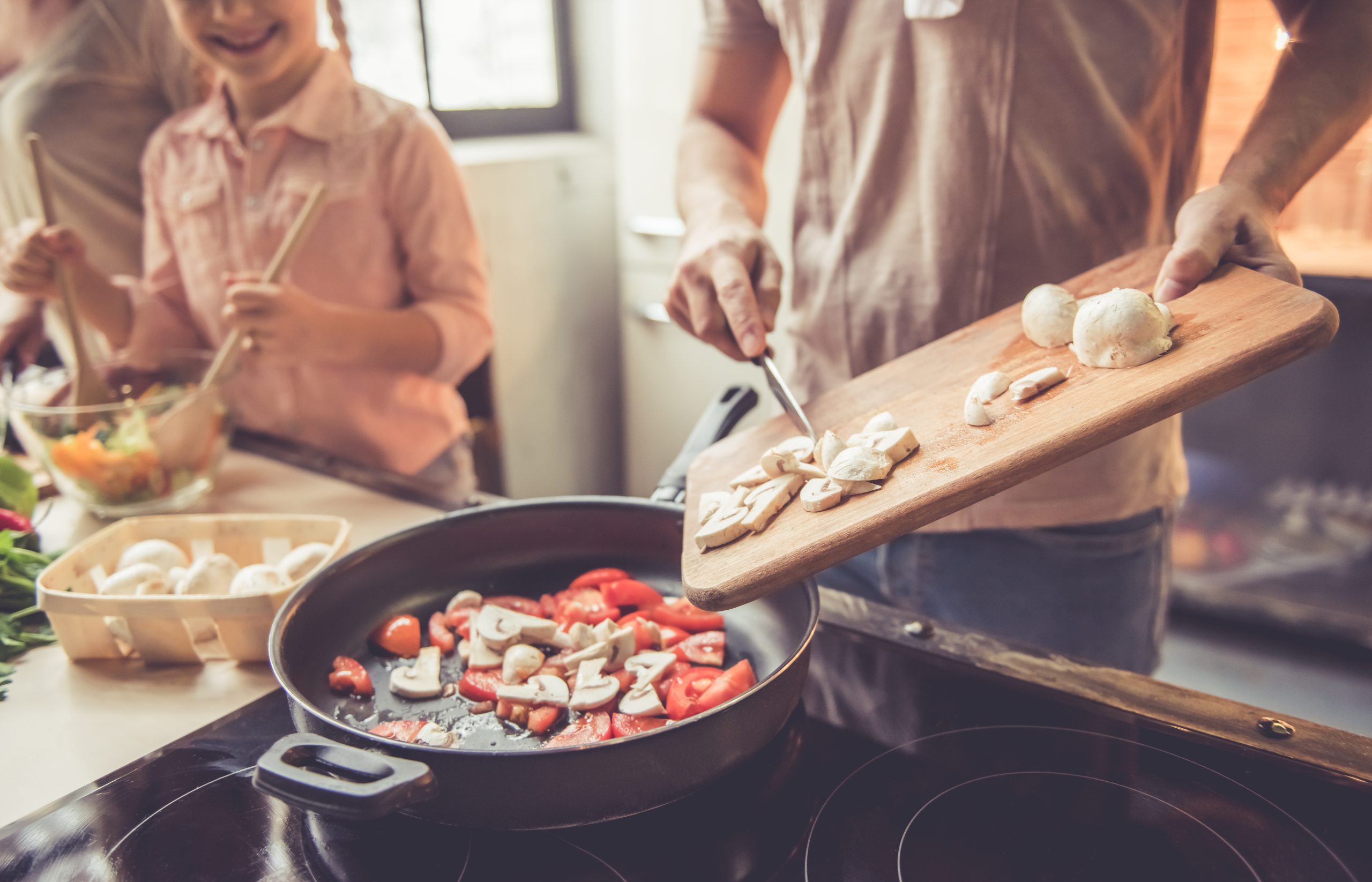






Cooking halal meat to perfection is both an art and a science. Whether it’s chicken, beef, lamb, or goat, preparing halal meat properly ensures juiciness, flavor, tenderness, and compliance with dietary laws. For beginners and seasoned cooks alike, understanding the right techniques, seasonings, and cooking methods is essential to elevate everyday meals into delicious halal dishes.
This blog will guide you through tips and methods to cook perfect halal meat, covering selection, preparation, cooking, and serving, ensuring every meal is flavorful and satisfying.
Why Cooking Halal Meat Properly Matters
Cooking halal meat correctly is important because:
-
Ensures Juiciness and Flavor: Proper techniques prevent dry or overcooked meat.
-
Maintains Halal Integrity: Avoid cross-contamination and use halal-certified ingredients.
-
Preserves Nutrition: Gentle and correct cooking retains vitamins and protein.
-
Enhances Texture: Proper cuts and methods create tender, melt-in-your-mouth results.
-
Improves Meal Quality: Perfectly cooked meat is the centerpiece of any halal meal.
Understanding these fundamentals allows you to create restaurant-quality halal dishes at home.
1. Choosing the Right Halal Meat
The first step in cooking perfect halal meat is selecting high-quality cuts:
-
Halal Certification: Ensure all meats are from certified halal sources.
-
Freshness: Look for bright, firm meat with minimal odor.
-
Appropriate Cuts: Different dishes require specific cuts:
-
Chicken breast for grilling or stir-frying
-
Chicken thighs for stews or roasting
-
Lamb shoulder or leg for slow cooking
-
Beef tenderloin or sirloin for steaks and kebabs
-
Tip: For tender, juicy results, choose cuts that suit your cooking method.
2. Preparing Halal Meat
Proper preparation enhances both flavor and texture:
-
Trimming: Remove excess fat or sinew for even cooking.
-
Marinating: Use halal ingredients such as yogurt, olive oil, lemon juice, garlic, and spices. Marinating tenderizes meat and infuses it with flavor.
-
Cutting Uniformly: Even pieces ensure consistent cooking.
-
Brining (Optional): Soak meat in a saltwater solution to retain moisture, especially for chicken or turkey.
Tip: Marinate tougher meats like lamb or beef for several hours or overnight to maximize tenderness.
3. Essential Cooking Techniques
The method you choose affects the flavor, texture, and juiciness of halal meat:
Grilling
-
Perfect for kebabs, steaks, and chicken breasts.
-
Preheat the grill and cook over medium-high heat to avoid burning.
-
Turn meat only once or twice for even browning.
Pan-Frying/Sautéing
-
Ideal for stir-fried or small meat pieces.
-
Use minimal oil and high heat for a crisp exterior and tender interior.
Roasting/Baking
-
Great for whole chickens, lamb legs, or large cuts.
-
Preheat the oven and cook slowly at moderate heat to ensure juiciness.
-
Baste periodically to enhance flavor.
Slow Cooking/Stewing
-
Best for tougher cuts like lamb shoulder, beef brisket, or goat meat.
-
Low and slow cooking in liquid preserves moisture and develops rich flavors.
Broiling
-
Uses direct high heat for a caramelized crust on steaks or chicken.
-
Keep a close eye to avoid overcooking.
Tip: Use a meat thermometer to ensure safe internal temperatures:
-
Chicken: 165°F (75°C)
-
Lamb: 145°F (63°C) for medium rare, 160°F (71°C) for medium
-
Beef: 145°F (63°C) for medium rare, 160°F (71°C) for medium
4. Seasoning and Flavoring
Halal meat is delicious on its own, but seasonings enhance the taste:
-
Spices: Cumin, coriander, paprika, turmeric, cinnamon, sumac, and black pepper.
-
Herbs: Parsley, cilantro, rosemary, thyme, or mint.
-
Acidic Ingredients: Lemon juice, vinegar, or yogurt tenderize and add flavor.
-
Sauces: Tahini, yogurt-based sauces, garlic sauce, or chili sauce complement halal meat.
Tip: Season meat at least 30 minutes before cooking for maximum flavor penetration.
5. Resting Halal Meat
After cooking, let meat rest for 5–10 minutes before slicing or serving.
-
Retains juices, preventing dryness.
-
Allows flavors to settle and distribute evenly.
-
Improves tenderness and texture.
Tip: Tent meat with aluminum foil to keep it warm while resting.
6. Serving Suggestions
Perfectly cooked halal meat can be enjoyed in various ways:
-
With Rice or Grains: Serve lamb, chicken, or beef with basmati rice, couscous, or quinoa.
-
With Flatbreads: Shawarma-style wraps or kebabs with pita or laffa bread.
-
With Vegetables: Roast or grill vegetables alongside meat for a balanced meal.
-
As Street Food: Serve chicken shawarma, kebabs, or falafel with sauces for an authentic experience.
Conclusion
Cooking perfect halal meat is a combination of selecting quality cuts, proper preparation, seasoning, and applying the right cooking techniques. From grilling, roasting, and slow cooking to marinating and resting, each step ensures the meat is juicy, tender, and flavorful.
By mastering these essentials, beginners can confidently prepare restaurant-quality halal meals at home. Whether it’s a family dinner, festive gathering, or casual meal, perfectly cooked halal meat becomes the centerpiece of a delicious and wholesome meal, showcasing the richness of halal cuisine in every bite.