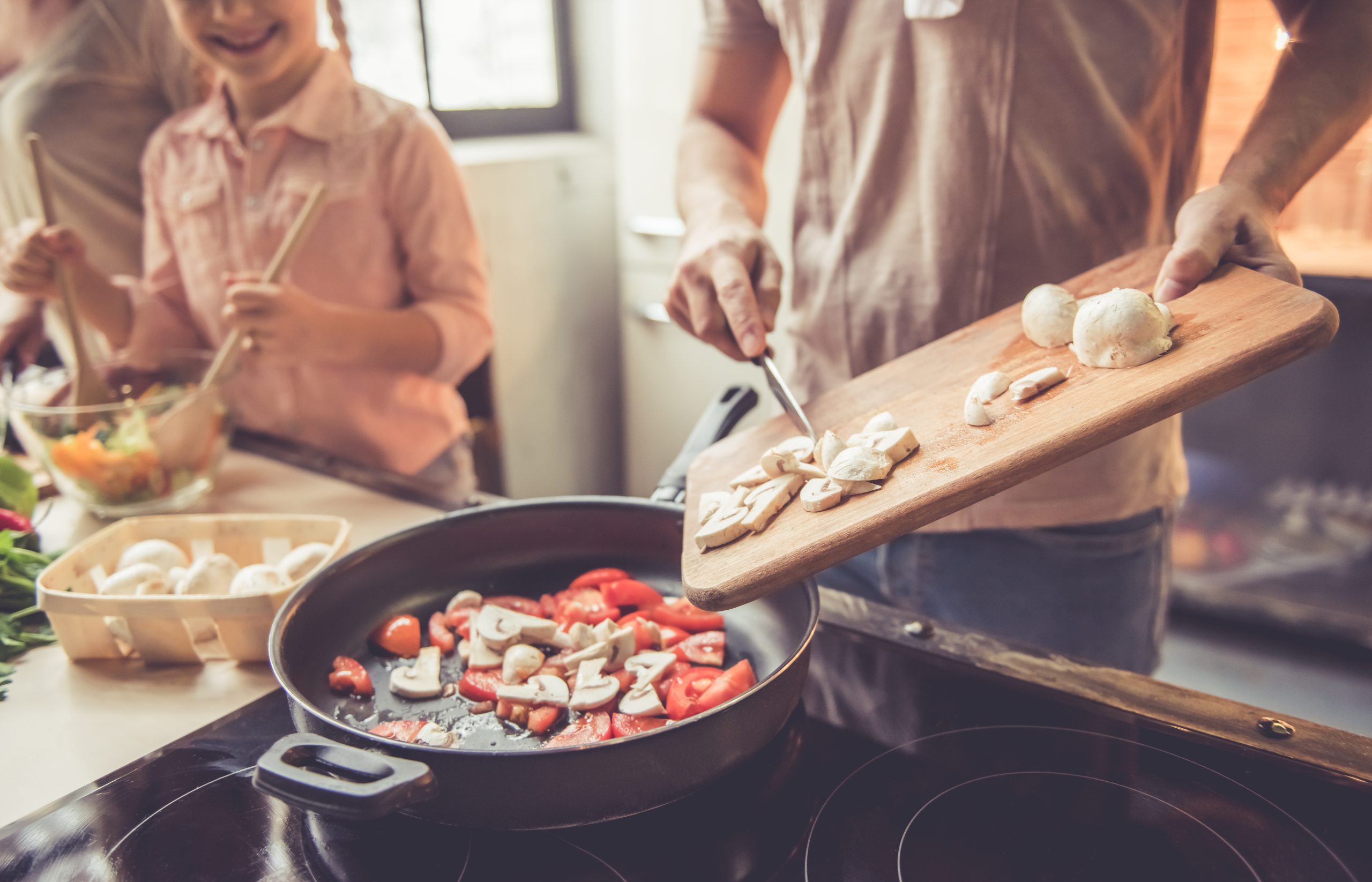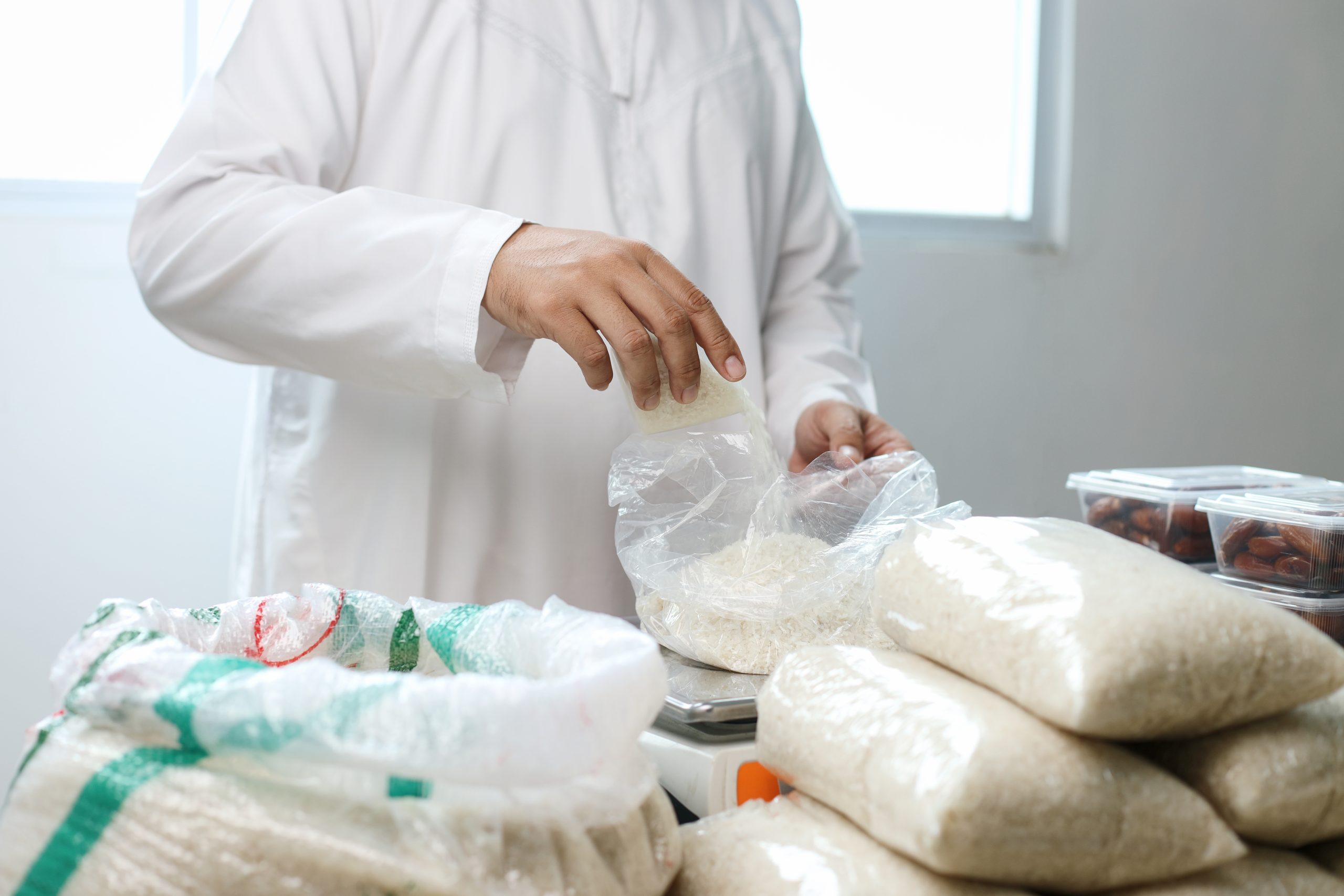





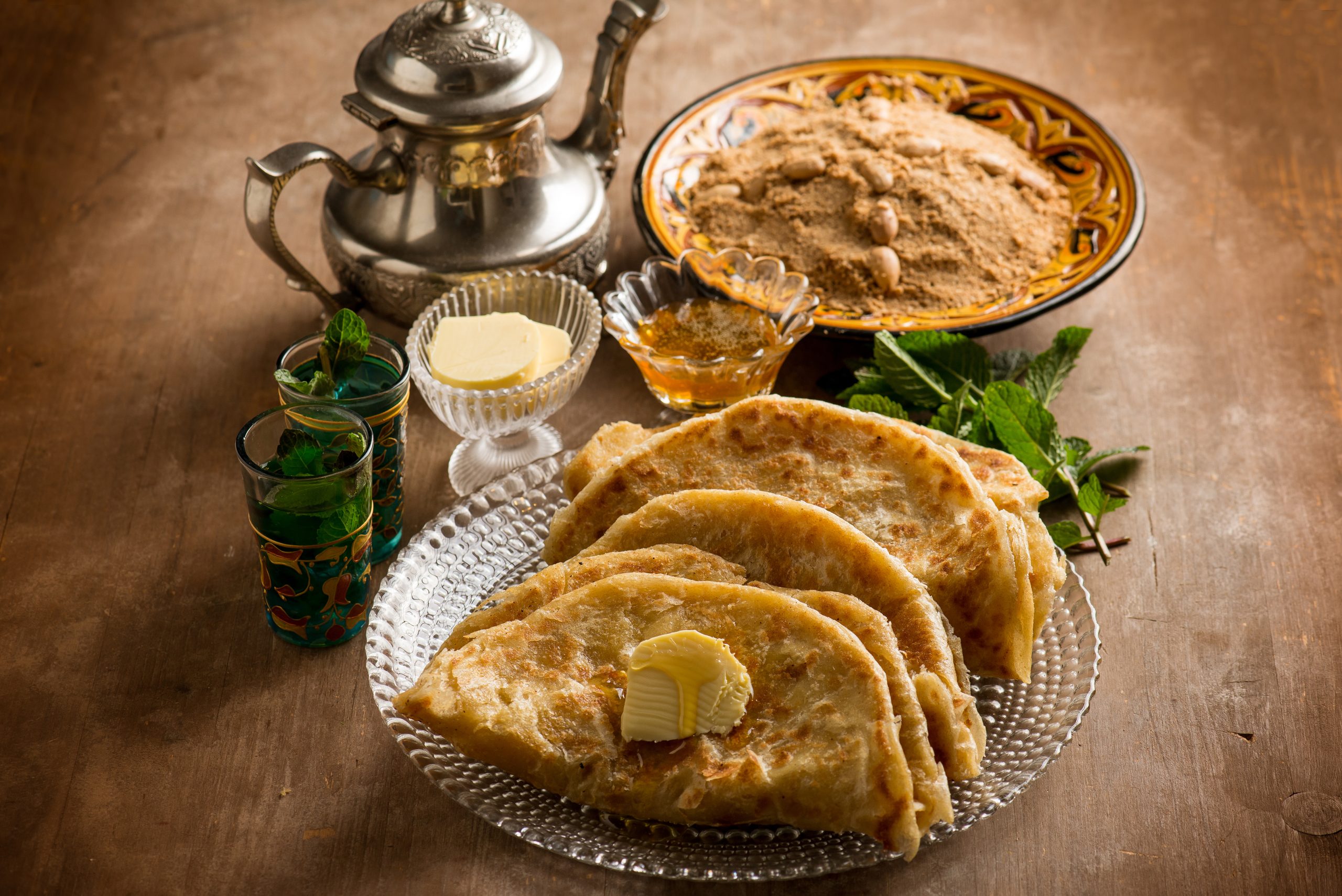
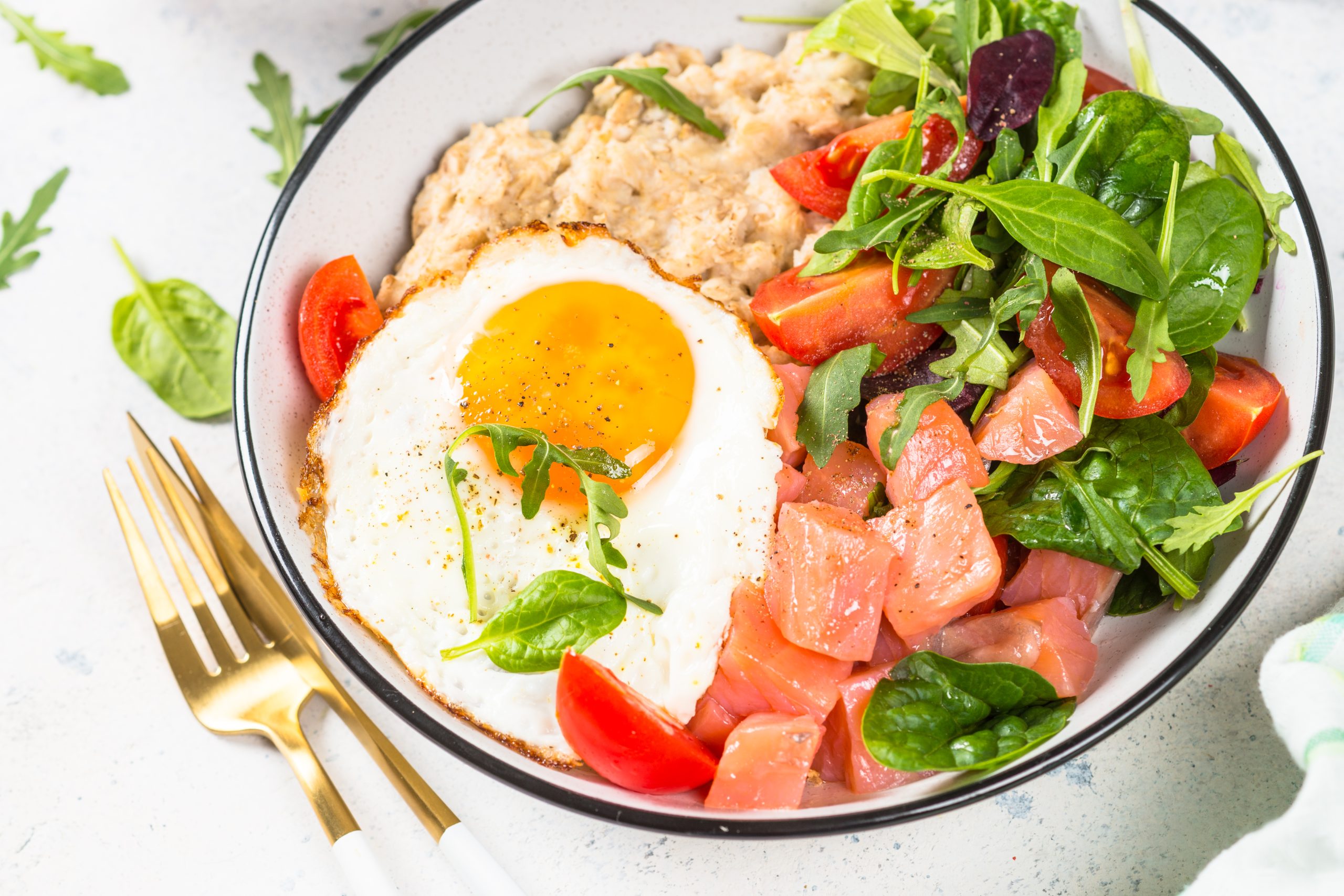

Cooking halal food at home is not just about using halal-certified ingredients; it’s also about mastering techniques that ensure your meals are flavorful, safe, and authentic. Whether you’re preparing everyday meals, quick snacks, or indulgent weekend dishes, understanding basic halal cooking techniques will help you create delicious dishes while adhering to dietary laws.
This blog will guide beginners through essential halal cooking techniques, tips for success, and practical advice to make your halal meals both healthy and tasty.
Why Learning Halal Cooking Techniques Matters
Cooking halal food properly is important because:
-
Ensures Halal Compliance: Proper techniques prevent contamination with non-halal ingredients.
-
Enhances Flavor: Correct methods bring out the best in halal meats, vegetables, and spices.
-
Maintains Nutrition: Using the right cooking techniques preserves vitamins and minerals.
-
Improves Efficiency: Knowing the basics helps save time in the kitchen.
-
Builds Confidence: Mastery of techniques allows beginners to experiment with recipes safely.
By learning these fundamentals, beginners can create delicious halal meals with ease.
1. Proper Meat Preparation
Halal cooking often involves meat, so proper preparation is essential:
-
Choose Halal-Certified Meat: Always purchase meat from certified halal vendors.
-
Trim Excess Fat: This prevents greasy dishes and improves cooking consistency.
-
Marinate for Flavor: Use yogurt, lemon juice, olive oil, garlic, herbs, and spices to tenderize and enhance taste.
-
Cut Uniformly: Uniform pieces cook evenly, whether grilling, frying, or stewing.
Tip: For tougher cuts like beef or lamb, marinate overnight to make the meat tender and flavorful.
2. Cooking Techniques for Halal Meat
-
Grilling: Ideal for kebabs, shawarma, or chicken. Keep heat moderate to cook evenly without burning.
-
Sautéing/Stir-Frying: Quick, high-heat methods for small pieces of chicken, beef, or vegetables. Use minimal oil and maintain high heat for crisp-tender results.
-
Baking/Roasting: Perfect for whole chickens, meatloaf, or vegetable medleys. Ensure meat reaches safe internal temperatures (e.g., 165°F for chicken).
-
Slow Cooking/Stewing: Great for halal stews, curries, and biryanis. Low heat for extended time develops rich flavors and tender textures.
Tip: Always avoid cross-contamination by using separate utensils for halal and non-halal items.
3. Perfect Rice and Grains
Rice and grains are staples in halal meals. Proper techniques make a big difference:
-
Rinsing: Rinse rice to remove excess starch and prevent clumping.
-
Soaking: Soak long-grain rice like basmati for 20–30 minutes to achieve fluffiness.
-
Cooking Ratio: Use the right water-to-rice ratio (typically 1:1.5 or 1:2) depending on the rice type.
-
Flavoring: Add spices, herbs, or stock for aromatic results, perfect for biryanis or pilafs.
Tip: For extra flavor, lightly sauté rice in oil or butter before boiling.
4. Mastering Halal Sauces and Marinades
Sauces and marinades elevate dishes from simple to extraordinary:
-
Marinades: Combine yogurt, lemon juice, garlic, and spices for meats or vegetables. Marinate 30 minutes to overnight depending on protein.
-
Gravy & Curries: Start by sautéing onions, garlic, and spices, then add halal meat or legumes. Simmer slowly to develop rich flavors.
-
Tahini & Yogurt Sauces: Blend tahini or yogurt with lemon juice, garlic, and herbs for salads, falafel, or shawarma.
Tip: Adjust seasoning gradually to balance salt, acidity, and spice.
5. Proper Vegetable Cooking
Vegetables complement every halal meal and should be treated carefully:
-
Blanching: Quickly boiling vegetables preserves color, texture, and nutrients.
-
Sautéing/Stir-Frying: Quick-cook for crisp-tender vegetables with minimal oil.
-
Roasting: Brings out natural sweetness and enhances flavor. Toss with olive oil, salt, and spices before roasting.
-
Steaming: Retains maximum nutrients and is ideal for delicate vegetables like broccoli or green beans.
Tip: Cut vegetables uniformly to ensure even cooking.
6. Essential Kitchen Safety and Hygiene
Cooking halal food also requires strict hygiene:
-
Separate Halal and Non-Halal Items: Avoid cross-contamination with separate cutting boards, knives, and utensils.
-
Proper Storage: Refrigerate or freeze meats promptly to maintain freshness.
-
Clean Surfaces and Hands: Wash hands and utensils after handling raw meat.
-
Safe Cooking Temperatures: Ensure meats reach proper internal temperatures to kill harmful bacteria.
Tip: Label containers for cooked and raw foods to prevent accidental mix-ups.
Conclusion
Mastering essential halal cooking techniques helps beginners create flavorful, healthy, and compliant meals with confidence. From proper meat preparation, cooking rice, making marinades, to handling vegetables safely, these techniques form the foundation of delicious halal cuisine.
With practice, beginners can experiment with recipes, mix flavors, and recreate traditional Middle Eastern, South Asian, or global halal dishes at home. By combining the right ingredients, techniques, and hygiene practices, you can enjoy meals that are safe, wholesome, and truly satisfying, whether for everyday dinners or special weekend feasts.
Learning halal cooking is not just about following rules—it’s about embracing flavors, traditions, and creativity in the kitchen, making every meal a delicious and rewarding experience.