





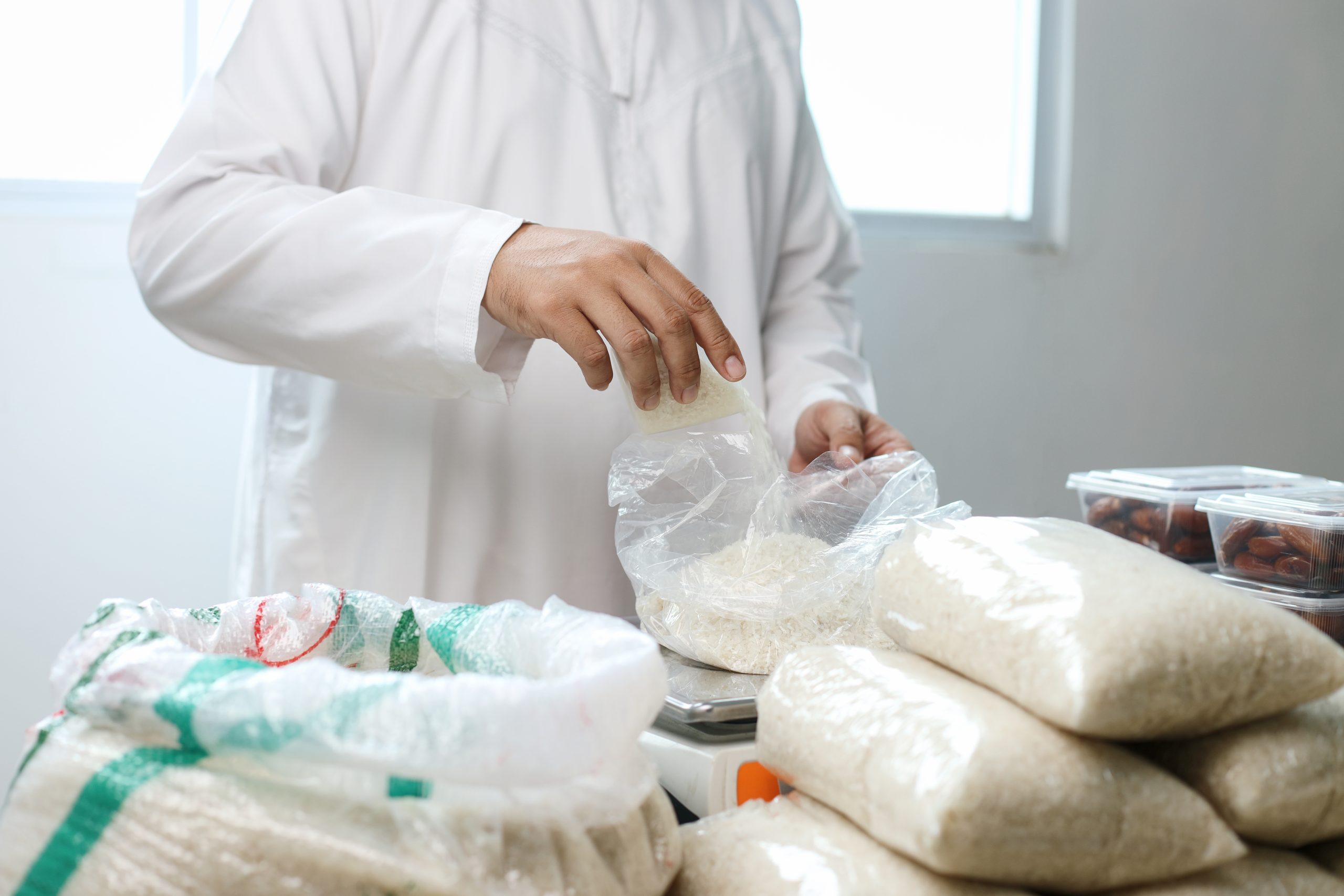
Proper storage of halal ingredients is essential to maintain freshness, flavor, and safety. Halal cooking requires attention not only to the type of ingredients used but also to how they are stored, to prevent contamination with non-halal items and to preserve their nutritional value. Whether you’re storing meat, dairy, grains, or spices, following smart storage practices ensures that your halal meals are safe, wholesome, and delicious.
This blog will guide you through effective food storage tips for halal ingredients, covering refrigeration, freezing, pantry organization, and handling practices.
Why Proper Storage Matters
Storing halal ingredients correctly is important because:
-
Prevents Cross-Contamination: Keeps halal ingredients separate from non-halal foods.
-
Maintains Freshness: Preserves taste, texture, and aroma of ingredients.
-
Reduces Waste: Proper storage prevents spoilage and extends shelf life.
-
Ensures Safety: Minimizes the risk of foodborne illnesses by keeping ingredients at safe temperatures.
-
Supports Efficient Cooking: Organized storage makes meal prep faster and easier.
By mastering food storage, you can cook tasty and safe halal meals every day.
1. Storing Halal Meats
Meat is the cornerstone of many halal meals, but it spoil quickly if not stored properly:
-
Refrigeration: Keep raw halal meat in the coldest part of the fridge (32–40°F / 0–4°C).
-
Separate Storage: Use sealed containers or trays to prevent juices from contaminating other foods.
-
Freezing: Freeze meat that won’t be used within 2–3 days. Wrap tightly in foil, freezer paper, or airtight bags.
-
Labeling: Mark the type of meat and date of freezing for easy reference.
Tip: Thaw frozen meat in the refrigerator, not at room temperature, to maintain safety.
2. Storing Halal Poultry
Poultry requires similar care as meat:
-
Refrigeration: Store raw chicken or turkey on the bottom shelf of the fridge to avoid dripping onto other foods.
-
Freezing: Wrap individually or in portions to make thawing easier.
-
Cooked Poultry: Refrigerate within two hours of cooking and consume within 3–4 days.
Tip: Use separate cutting boards and knives for halal poultry to prevent cross-contamination.
3. Storing Dairy Products
Halal cooking often uses dairy like milk, yogurt, and cheese:
-
Refrigeration: Store milk, yogurt, and cream at 35–40°F (2–4°C).
-
Cheese Storage: Hard cheeses can be wrapped in wax paper or parchment paper, then placed in airtight containers. Soft cheeses should always be kept in airtight containers.
-
Butter and Ghee: Butter can be refrigerated or frozen; ghee can be stored at room temperature in a cool, dry place.
Tip: Check labels for halal certification, especially in processed cheeses.
4. Storing Grains, Legumes, and Pantry Staples
Grains and legumes form the base of many halal meals:
-
Dry Storage: Keep rice, lentils, chickpeas, and flour in airtight containers in a cool, dry place.
-
Avoid Moisture: Moisture can cause mold or spoilage. Use desiccants or bay leaves in containers to repel insects.
-
Labeling: Include purchase date and type for rotation purposes.
Tip: Store grains away from strong-smelling items to prevent absorption of odors.
5. Storing Fresh Fruits and Vegetables
Fresh produce requires careful handling for longevity:
-
Refrigeration: Leafy greens, carrots, cucumbers, and bell peppers last longer when refrigerated.
-
Room Temperature: Tomatoes, onions, and garlic are best stored in a cool, dark, ventilated area.
-
Wash Before Cooking: Wash fruits and vegetables before use, not before storage, to prevent mold.
Tip: Separate ethylene-producing fruits (apples, bananas) from vegetables to prevent premature ripening.
6. Storing Spices, Herbs, and Condiments
Spices and herbs add flavor to halal meals and should be stored carefully:
-
Spices: Keep in airtight jars, away from heat, light, and moisture.
-
Dried Herbs: Store in dark, cool cabinets.
-
Condiments: Halal-certified sauces, pastes, and marinades should be sealed and refrigerated after opening.
Tip: Grinding whole spices as needed preserves aroma and potency.
7. Preventing Cross-Contamination
Halal ingredients must be kept separate from non-halal items:
-
Separate Storage Areas: Dedicate shelves, drawers, or containers for halal ingredients.
-
Use Separate Utensils: Cutting boards, knives, and serving spoons should be clearly marked for halal use.
-
Clean Thoroughly: Wash storage containers, shelves, and surfaces regularly to prevent accidental contamination.
Tip: Consider labeling halal-only areas in the fridge or pantry for easy identification.
8. Smart Freezing Practices
Freezing is an effective way to extend the life of halal ingredients:
-
Portion Control: Freeze in meal-sized portions to avoid repeatedly thawing large amounts.
-
Vacuum Sealing: Prevents freezer burn and preserves flavor.
-
Label and Rotate: Use a first-in, first-out system to avoid expired items.
Tip: Some vegetables can be blanched before freezing to maintain color, texture, and nutrients.
Conclusion
Proper food storage is a key component of halal cooking. From halal meats and poultry to dairy, grains, vegetables, spices, and condiments, storing ingredients correctly ensures safety, freshness, and flavor. Separating halal ingredients, maintaining cleanliness, using airtight containers, and practicing smart freezing techniques allow you to cook delicious halal meals confidently.
By following these food storage tips, your halal kitchen becomes a well-organized, safe, and efficient space, enabling you to prepare meals that are nutritious, flavorful, and fully compliant with Islamic dietary laws. With proper storage, every ingredient stays fresh longer, reduces waste, and makes halal cooking an enjoyable, stress-free experience.