






Cooking halal meals isn’t just about avoiding non-halal items—it’s about understanding the ingredients that comply with Islamic dietary laws and knowing how to use them to create delicious, wholesome dishes. Whether you’re a beginner or an experienced cook, familiarizing yourself with common halal ingredients helps ensure that your meals are safe, flavorful, and fully compliant.
In this blog, we will explore the most common halal ingredients, their uses in cooking, and tips to maximize flavor and nutrition in your dishes.
Why Knowing Halal Ingredients Matters
Understanding halal ingredients is important because:
-
Ensures Compliance: Only halal-certified or permissible items should be used in meals.
-
Maintains Quality: Using fresh and authentic ingredients enhances the taste and nutrition of your dishes.
-
Simplifies Cooking: Knowing common halal ingredients helps with meal planning and recipe creation.
-
Encourages Creativity: Familiarity allows you to experiment with flavors, spices, and combinations.
By learning the basics, you can confidently prepare halal meals from different cuisines, whether Middle Eastern, South Asian, or Western.
1. Halal Meats
Halal meat is the backbone of many dishes and must be slaughtered according to Islamic law.
-
Chicken: Widely used in curries, grilled dishes, and fried recipes. Always ensure it is halal-certified.
-
Beef: Ideal for kebabs, stews, biryanis, and burgers. Select lean cuts for healthy meals.
-
Lamb: Popular in Middle Eastern and South Asian dishes such as curries, kebabs, and biryani.
-
Goat: Used in traditional recipes like curries and roasted dishes.
Tip: Always check for halal certification and ensure proper handling to avoid cross-contamination with non-halal items.
2. Dairy Products
Halal cooking often uses dairy for flavor, texture, and nutrition.
-
Milk: Fresh or long-life milk can be used in desserts, sauces, or drinks.
-
Yogurt: Essential in marinades, dips, and curries. Adds creaminess and tenderness to meat dishes.
-
Cheese: Choose halal-certified cheese for burgers, sandwiches, or baking. Common options include mozzarella, feta, and cheddar.
-
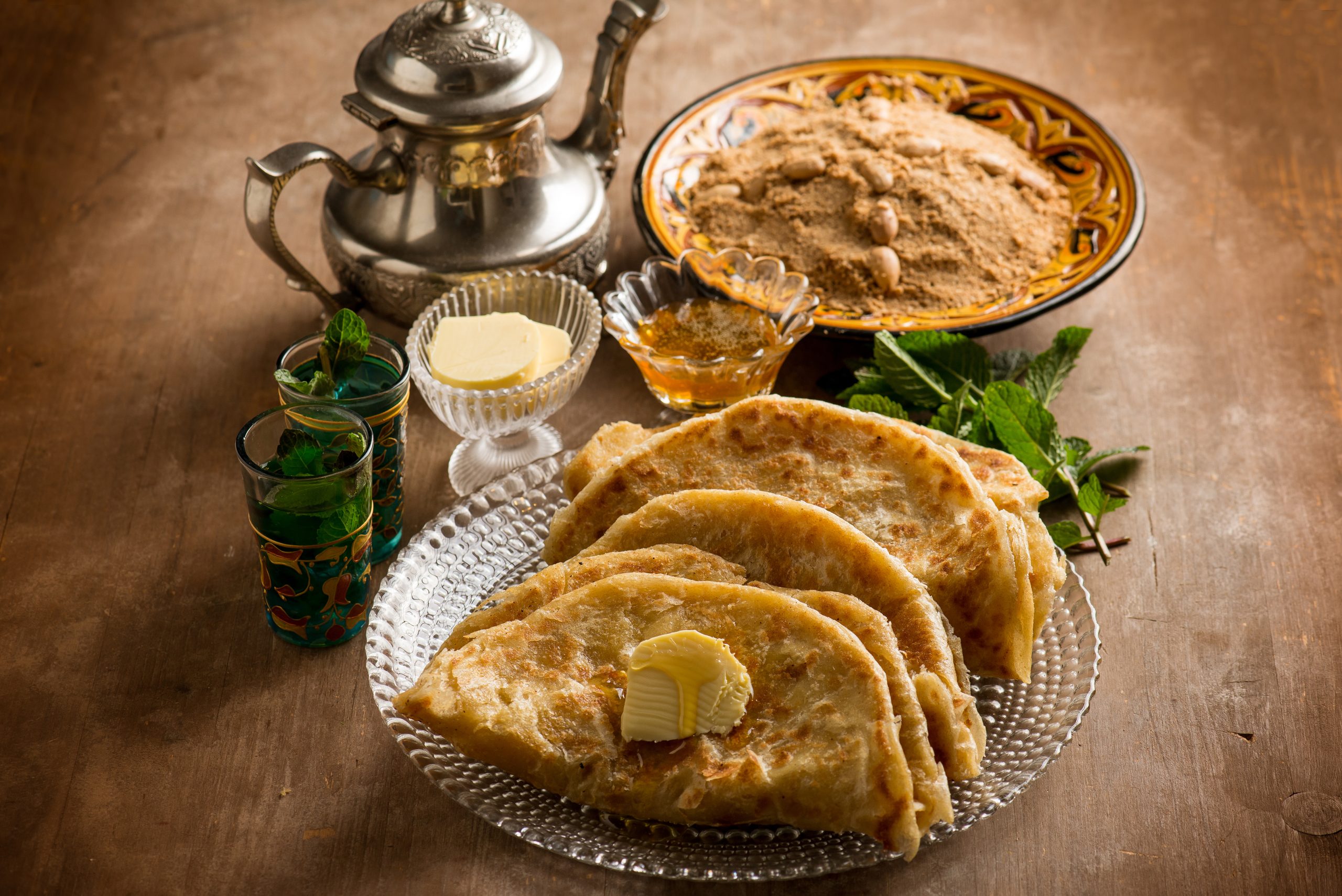
Butter and Ghee: Adds richness to sauces, rice, and desserts. Always confirm halal certification.
Tip: When buying packaged dairy, look for halal logos or certifications to ensure compliance.
3. Grains and Legumes
Grains and legumes are staples in halal cuisine, providing energy and protein.
-
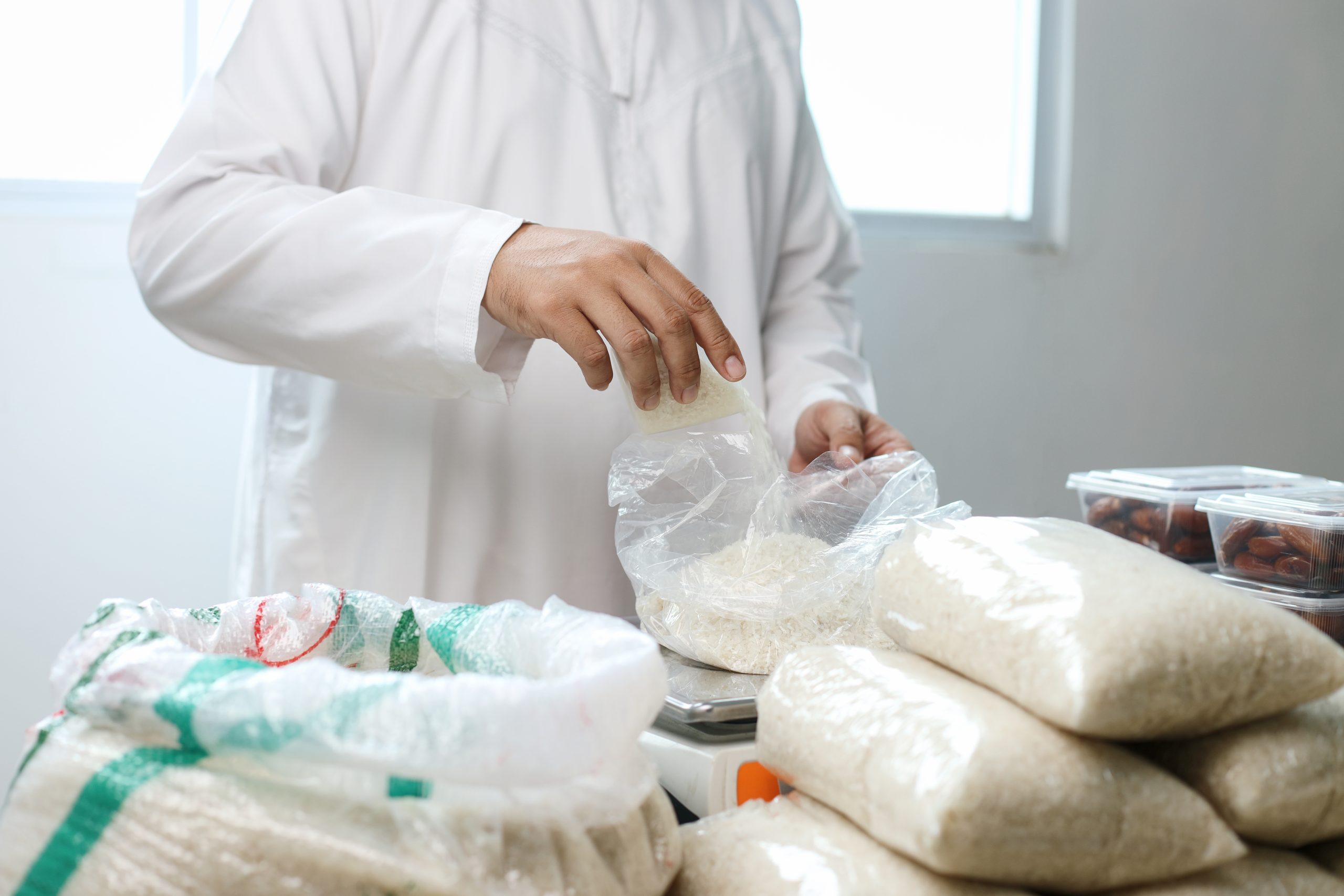
Rice: Basmati, long-grain, or short-grain rice is used in biryani, pilaf, and side dishes.
-
Wheat and Flour: For breads, flatbreads, and pastries such as chapati, naan, or pita.
-
Lentils and Beans: Chickpeas, lentils, and black beans are used in soups, stews, and salads.
-
Quinoa and Couscous: Healthier alternatives for salads and side dishes.
Tip: Rinse rice and soak for 20–30 minutes before cooking for fluffier grains.
4. Vegetables and Fruits
Fresh vegetables and fruits are essential for balanced halal meals.
-
Vegetables: Tomatoes, onions, bell peppers, spinach, carrots, zucchini, and eggplant. Used in curries, stir-fries, salads, and roasted dishes.
-
Fruits: Mangoes, apples, bananas, dates, and berries are used in desserts, smoothies, or eaten raw.
-
Herbs: Parsley, cilantro, mint, basil, and dill enhance flavor and aroma.
Tip: Use seasonal vegetables and fruits for fresher and more flavorful meals.
5. Spices and Seasonings
Halal cooking is defined by aromatic spices and flavor enhancers.
-
Common Spices: Cumin, coriander, turmeric, paprika, cinnamon, cardamom, cloves.
-
Seasonings: Salt, black pepper, garlic, ginger, chili flakes.
-
Blends: Garam masala, za’atar, baharat, and curry powder add complexity to dishes.
Tip: Toasting spices lightly before use releases oils and enhances aroma.
6. Oils and Fats
Healthy oils are essential in halal cooking for frying, sautéing, and baking.
-
Vegetable Oil: Neutral-flavored oil suitable for frying and general cooking.
-
Olive Oil: Ideal for sautéing, salad dressings, and Mediterranean dishes.
-
Ghee/Clarified Butter: Adds richness to South Asian or Middle Eastern dishes.
-
Coconut Oil: Used in certain curries and desserts.
Tip: Choose oils based on smoke point and flavor compatibility with your dish.
7. Condiments and Sauces
Halal condiments enhance flavor and add versatility to meals.
-
Tomato Paste and Puree: Base for curries, stews, and sauces.
-
Tahini: Essential in Middle Eastern dishes like hummus and falafel.
-
Yogurt Sauces: Garlic yogurt or tzatziki complements grilled meats and wraps.
-
Halal-Certified Ketchup, Mustard, and Mayonnaise: Used for burgers, sandwiches, and dips.
Tip: Always check packaged condiments for halal certification to avoid hidden non-halal ingredients.
Conclusion
Knowing common halal ingredients is crucial for preparing safe, flavorful, and balanced meals. From halal meats, dairy, and grains to vegetables, fruits, spices, oils, and sauces, these ingredients form the foundation of everyday halal cooking. By selecting fresh, halal-certified products and combining them with proper cooking techniques, you can create meals that are delicious, wholesome, and compliant with Islamic dietary laws.