




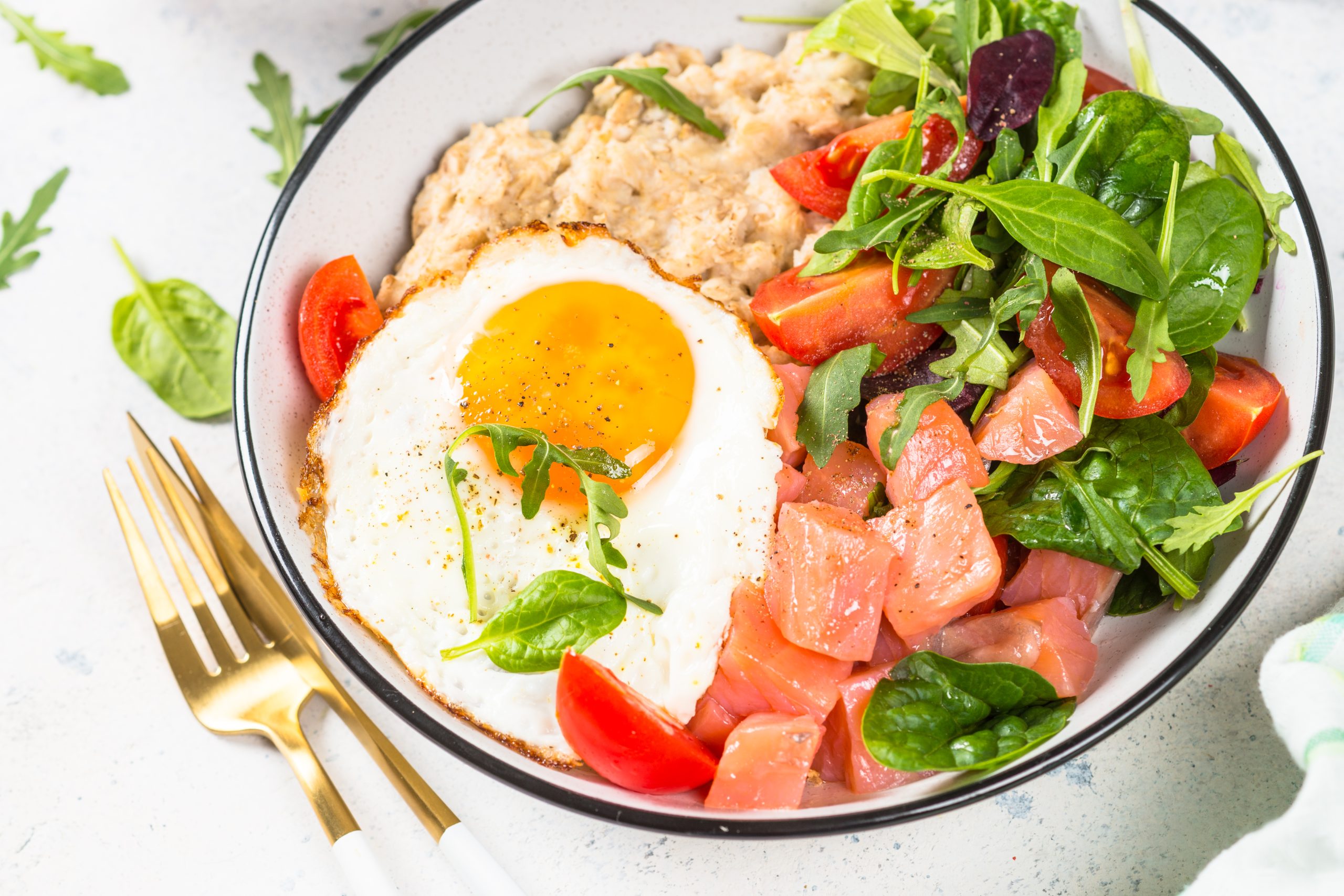


Cooking halal meals at home can be simple, efficient, and delicious when you know a few smart kitchen tips. Halal cooking is more than just using halal-certified meat—it involves proper ingredient handling, hygiene, preparation, and organization to create meals that are safe, flavorful, and wholesome. Whether you’re a beginner or an experienced cook, implementing smart kitchen strategies can save time, reduce stress, and enhance your cooking results.
This blog will guide you through practical tips for halal cooking, from ingredient management to cooking techniques and kitchen organization.
Why Smart Kitchen Tips Matter for Halal Cooking
Halal cooking requires attention to detail for several reasons:
-
Ensure Compliance: Avoid cross-contamination with non-halal foods.
-
Enhance Flavor: Proper preparation and cooking techniques improve taste and texture.
-
Increase Efficiency: Organized workflows save time and effort in the kitchen.
-
Maintain Health and Safety: Cleanliness and proper storage prevent spoilage and contamination.
-
Promote Creativity: Smart strategies allow you to experiment confidently with flavors and recipes.
By incorporating these tips, your halal meals can be both delicious and compliant with dietary laws.
1. Organize Your Ingredients
Keeping your kitchen organized is key to efficient halal cooking:
-
Separate Halal and Non-Halal Items: Use different shelves, containers, or drawers for halal ingredients.
-
Label Everything: Clearly label meat, dairy, and prepped items to prevent mistakes.
-
Use Storage Containers: Airtight containers keep spices, grains, and flours fresh.
-
Plan Ahead: Arrange ingredients before cooking to streamline the process.
Tip: Keep a designated halal-only area in your fridge and pantry to avoid cross-contamination.
2. Focus on Hygiene and Cleanliness
Maintaining a clean kitchen is essential for halal cooking:
-
Wash Hands Frequently: Especially after handling raw meat or poultry.
-
Sanitize Surfaces: Clean cutting boards, knives, and countertops before and after use.
-
Separate Utensils: Use separate knives, spoons, and boards for halal and non-halal foods.
-
Cook at Safe Temperatures: Chicken should reach 165°F (75°C), beef and lamb 145°F (63°C) for medium-rare or 160°F (71°C) for medium.
Tip: Keep a set of color-coded cutting boards—one for halal meat, one for vegetables, one for cooked foods—to prevent contamination.
3. Master Basic Cooking Techniques
Using the right cooking methods makes halal meals tasty and nutritious:
-
Grilling: Perfect for kebabs, chicken, and lamb. Preheat the grill to avoid sticking.
-
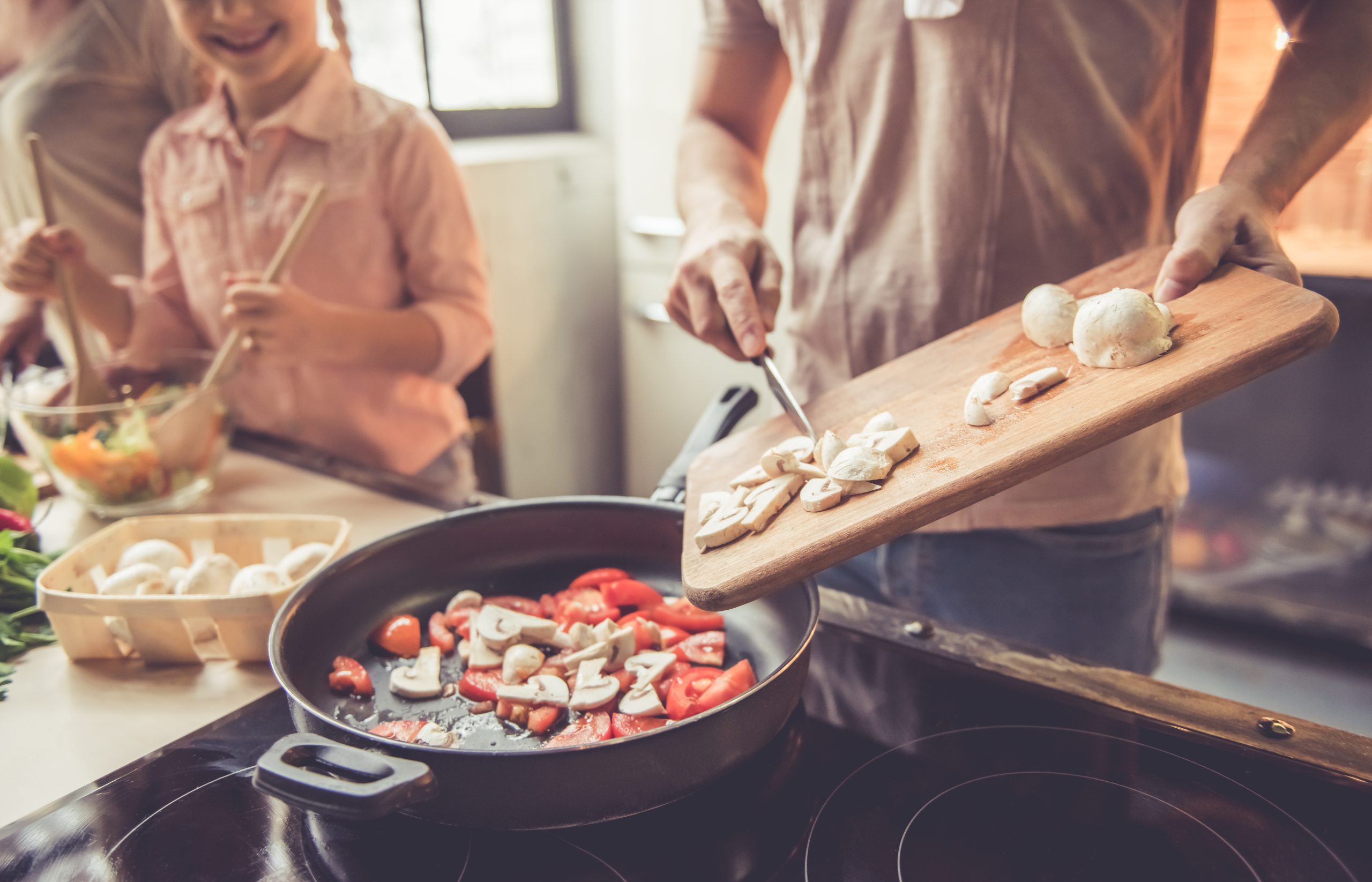
Sautéing/Stir-Frying: Quick and healthy for meat and vegetables. Use minimal oil and cook on high heat.
-
Baking/Roasting: Great for whole meats, vegetables, and casseroles. Basting keeps meat moist.
-
Slow Cooking/Braising: Ideal for stews and tougher cuts of meat to enhance flavor and tenderness.
-
Boiling/Steaming: Retains nutrients in vegetables and grains.
Tip: Using a meat thermometer ensures perfectly cooked halal meats every time.
4. Stock Your Pantry with Halal Essentials
A well-stocked halal pantry simplifies meal preparation:
-
Meats: Halal-certified chicken, beef, lamb, and seafood.
-
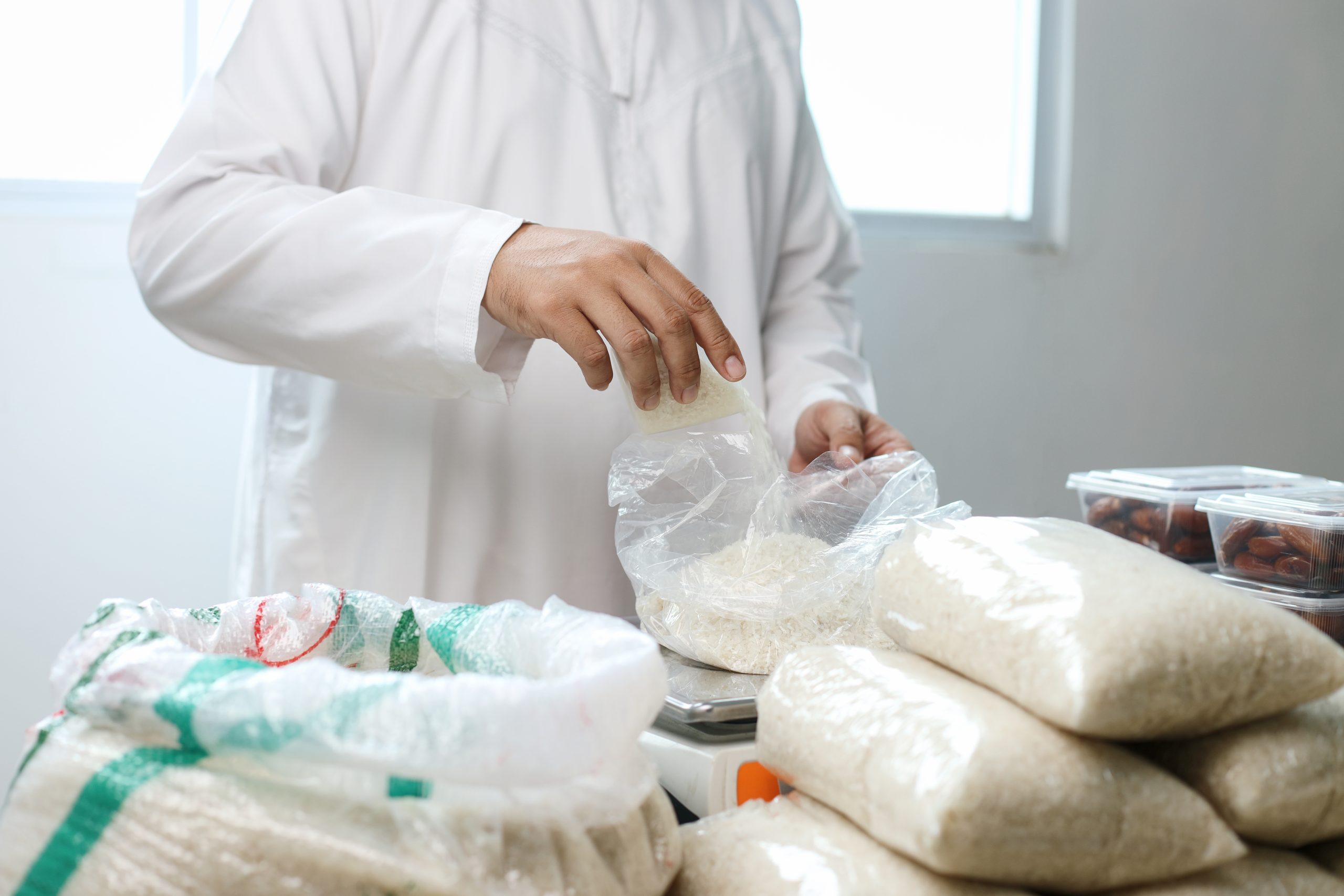
Grains: Rice, lentils, chickpeas, couscous, and flour.
-
Spices and Herbs: Cumin, coriander, turmeric, paprika, cinnamon, garlic, and fresh herbs.
-
Oils and Fats: Olive oil, vegetable oil, and ghee.
-
Condiments and Sauces: Halal-certified soy sauce, tahini, yogurt, and tomato paste.
Tip: Buying ingredients in bulk and storing them properly reduces shopping trips and ensures you always have halal items on hand.
5. Use Halal Substitutes Wisely
Many recipes include non-halal ingredients like pork, alcohol, or gelatin. Smart substitutions allow you to enjoy these dishes:
-
Pork Alternatives: Halal chicken, beef, or turkey bacon.
-
Alcohol-Free Liquids: Grape juice, apple cider, or halal-certified non-alcoholic wine.
-
Gelatin Substitutes: Agar-agar, pectin, or plant-based alternatives.
Tip: Keep a list of common non-halal ingredients and their halal alternatives for easy reference when cooking.
6. Prep Meals in Advance
Meal prep is a smart strategy for busy schedules:
-
Chop Vegetables Ahead: Store in airtight containers for easy cooking during the week.
-
Marinate Meat in Advance: Overnight marinating enhances flavor and tenderness.
-
Batch Cook Grains or Sauces: Cook rice, lentils, or curry bases ahead of time to save effort.
-
Freeze Portions: Halal meals like stews, curries, or soups can be frozen for later use.
Tip: Label prepped ingredients with dates to keep track of freshness.
7. Experiment with Flavors Safely
Halal cooking allows you to explore global cuisines safely:
-
Try Middle Eastern, South Asian, or Mediterranean Spices: Cumin, coriander, sumac, turmeric, saffron, and garam masala.
-
Use Fresh Herbs Liberally: Mint, parsley, cilantro, and dill enhance flavor.
-
Incorporate Citrus and Yogurt: Adds tanginess and tenderness to meat and vegetables.
-
Blend Flavors Gradually: Adjust seasonings to taste while cooking.
Tip: Start small when experimenting and taste frequently to balance flavors.
Conclusion
Smart kitchen practices make halal cooking efficient, safe, and delicious. By organizing ingredients, maintaining hygiene, mastering basic techniques, stocking halal essentials, using substitutes wisely, prepping meals ahead, and experimenting thoughtfully, you can create wholesome and flavorful halal meals with confidence.
With these tips, beginners and experienced cooks alike can enjoy a seamless halal cooking experience, producing meals that are nutritious, compliant, and bursting with flavor. A well-organized halal kitchen is not just a space to cook—it’s a place to explore flavors, experiment safely, and celebrate wholesome food.