




In Islamic dietary law, understanding the difference between halal and haram food is essential for anyone who follows a halal lifestyle. Halal, meaning “permissible,” and haram, meaning “forbidden,” are not just religious terms—they affect how food is sourced, prepared, and consumed. Knowing the distinctions ensures that meals are safe, wholesome, and compliant with Islamic principles.
This blog will explore the key differences between halal and haram food, examples of each, and tips to make informed choices when cooking or purchasing food.
What Does Halal Mean?
Halal is an Arabic word meaning permissible or lawful. When it comes to food, halal refers to items that are:
-
Permitted by Islamic Law: The Quran and Hadith outline rules for what Muslims can consume.
-
Properly Slaughtered or Prepared: Meat and poultry must be slaughtered in the name of Allah by a trained person.
-
Free from Forbidden Substances: No haram ingredients, such as pork or alcohol, are included.
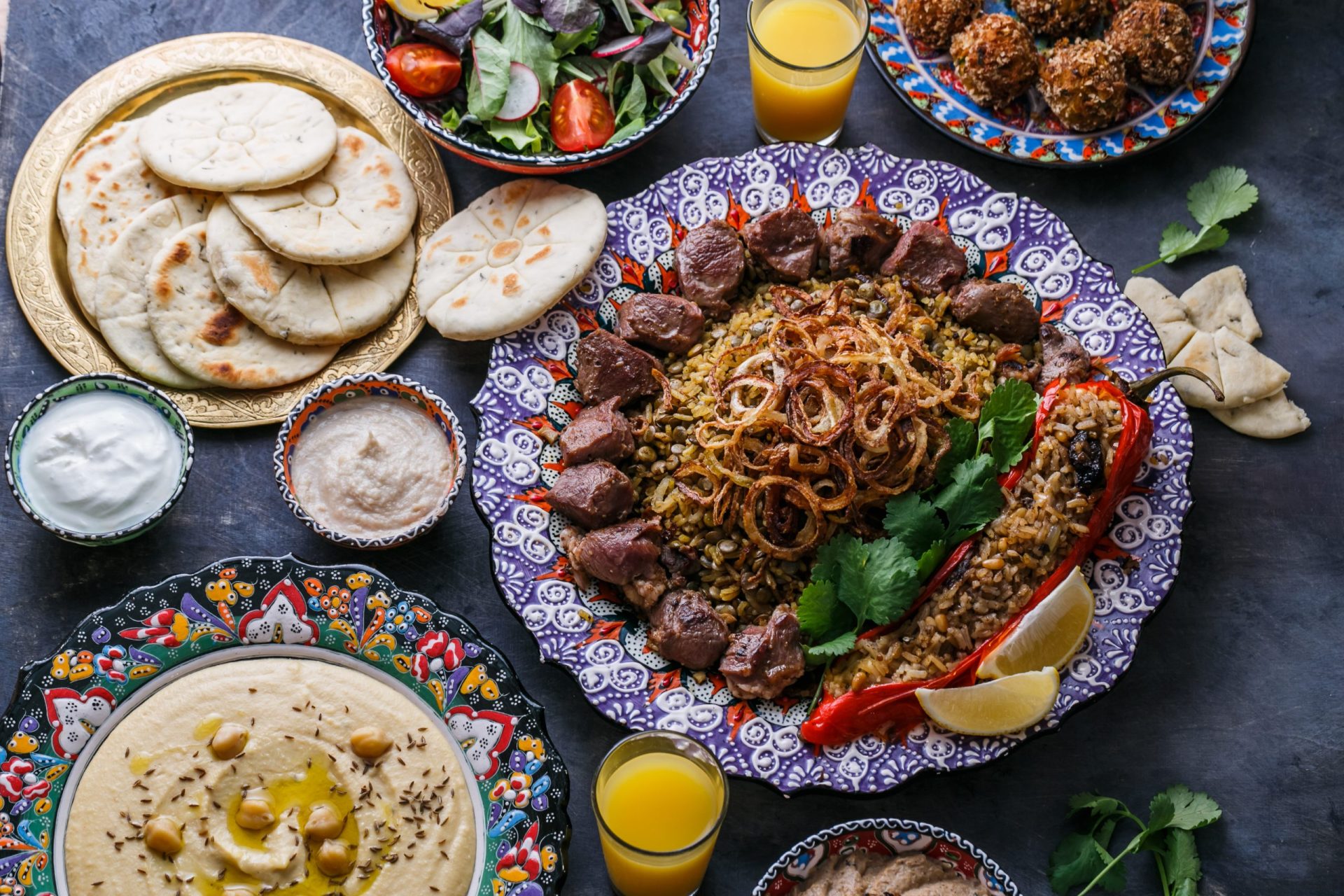
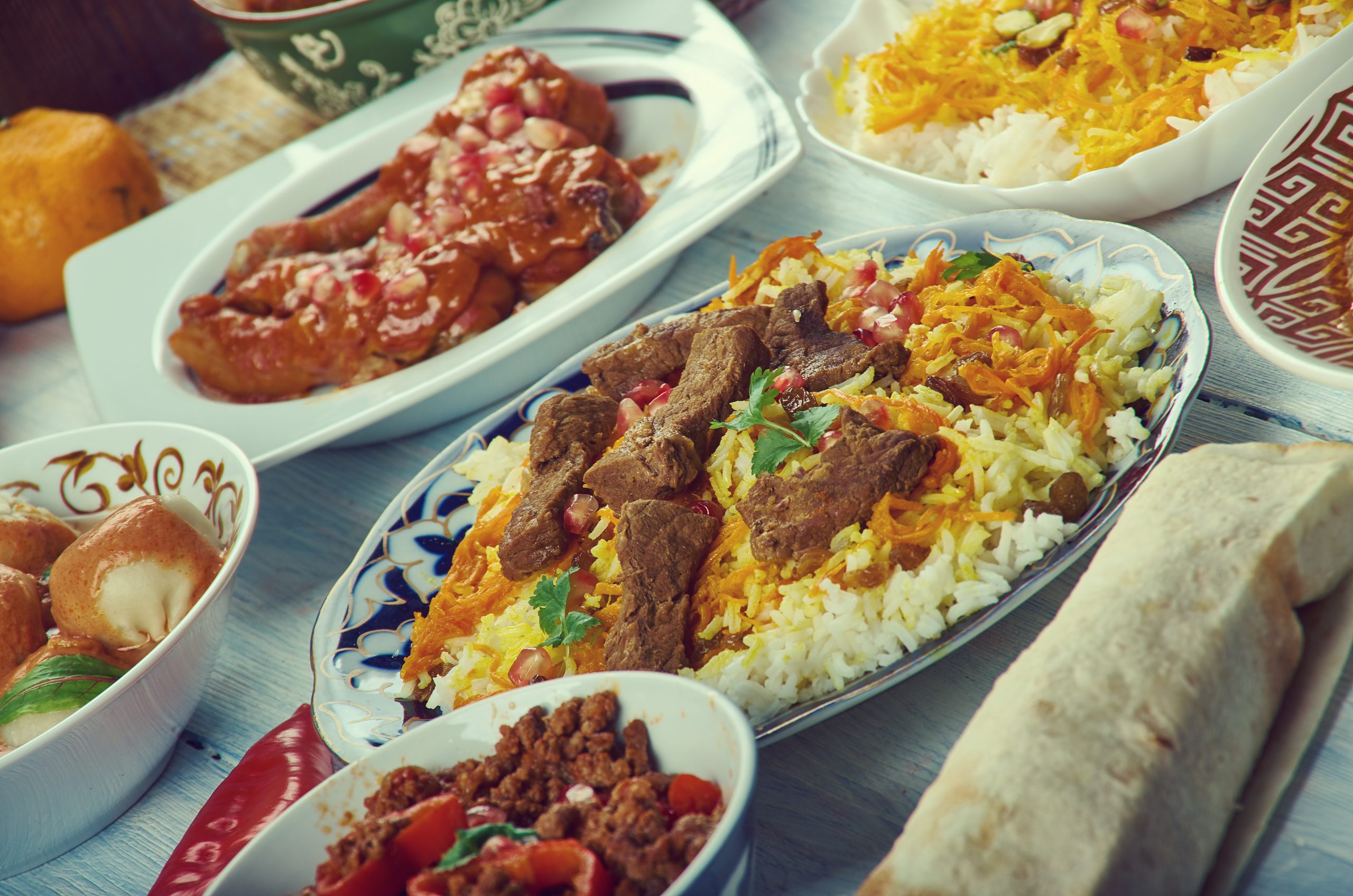
Halal foods are considered pure, clean, and safe. They include naturally permissible items like fruits, vegetables, grains, seafood, and halal-certified meat products.
Tip: Halal foods are often labeled with a halal certification symbol from recognized authorities.
What Does Haram Mean?
Haram is an Arabic word meaning forbidden or unlawful. In the context of food, haram items are those that:
-
Are Prohibited in the Quran or Hadith: Foods explicitly declared haram include pork and intoxicants.
-
Contain Non-Halal Ingredients: Meat from animals not properly slaughtered, alcohol, or certain additives.
-
Are Unclean or Harmful: Blood and improperly processed foods fall into this category.
Haram foods are considered impure and prohibited for consumption under Islamic law.
Examples: Pork, alcohol, improperly slaughtered meat, and certain processed foods containing non-halal gelatin.
Key Differences Between Halal and Haram Food
| Aspect | Halal Food | Haram Food |
|---|---|---|
| Meaning | Permissible according to Islamic law | Forbidden according to Islamic law |
| Source of Meat | Animals slaughtered in the name of Allah | Animals not slaughtered properly or pork |
| Ingredients | Free from haram substances like alcohol | Contains pork, alcohol, or forbidden additives |
| Cleanliness | Pure and wholesome | Considered impure or unsafe |
| Consumption | Allowed for Muslims | Forbidden for Muslims |
| Examples | Fruits, vegetables, grains, halal meat | Pork, bacon, non-halal gelatin, wine |
Common Halal Foods
Halal foods include:
-
Meat and Poultry: Chicken, beef, lamb, and goat slaughtered according to Islamic law.
-
Seafood: Fish and other aquatic animals are generally considered halal.
-
Fruits and Vegetables: All fresh fruits and vegetables are halal.
-
Grains and Legumes: Rice, wheat, lentils, and beans.
-
Dairy: Milk, yogurt, cheese, and ghee that are halal-certified.
-
Spices and Oils: All natural spices, olive oil, and vegetable oils.
Tip: When buying packaged products, look for halal certification for assurance.
Common Haram Foods
Haram foods include:
-
Pork and Pork Products: Bacon, ham, sausages, and gelatin from pork.
-
Alcohol: Wine, beer, and foods containing alcohol like certain sauces or desserts.
-
Non-Halal Meat: Animals not slaughtered according to Islamic law.
-
Blood and Blood Products: Any food containing animal blood.
-
Certain Additives: Non-halal gelatin, rennet from non-halal sources.
Tip: Always read labels carefully and avoid foods with unclear or suspicious ingredients.
The Importance of Avoiding Haram Foods
Avoiding haram foods is essential for several reasons:
-
Spiritual Compliance: Following halal principles is a form of obedience to Allah.
-
Health and Safety: Many haram foods, such as improperly processed meat, can be harmful.
-
Maintains Purity: Halal foods are considered clean and wholesome.
-
Cultural and Social Respect: Following halal practices supports community and family traditions.
Tip: Even cross-contamination with haram foods can make otherwise halal items impermissible. Use separate utensils and storage areas.
Tips for Choosing Halal Foods
-
Look for Certification: Halal logos from recognized authorities ensure compliance.
-
Check Ingredients: Avoid foods with pork, alcohol, or suspicious additives.
-
Ask Questions: At restaurants or when buying meat, confirm halal status.
-
Separate Storage: Keep halal ingredients apart from non-halal items at home.
-
Cook Mindfully: Avoid using utensils, oil, or surfaces previously exposed to haram items.
Conclusion
Understanding the difference between halal and haram food is essential for living a compliant and healthy lifestyle. Halal foods are permissible, wholesome, and properly prepared, while haram foods are forbidden and impure. By being aware of these distinctions, reading labels carefully, and following proper storage and cooking practices, Muslims can ensure that their meals are safe, nutritious, and fully compliant with Islamic law.
By integrating halal practices into daily life, from grocery shopping to cooking and dining, you can enjoy a variety of meals confidently while honoring religious principles.