




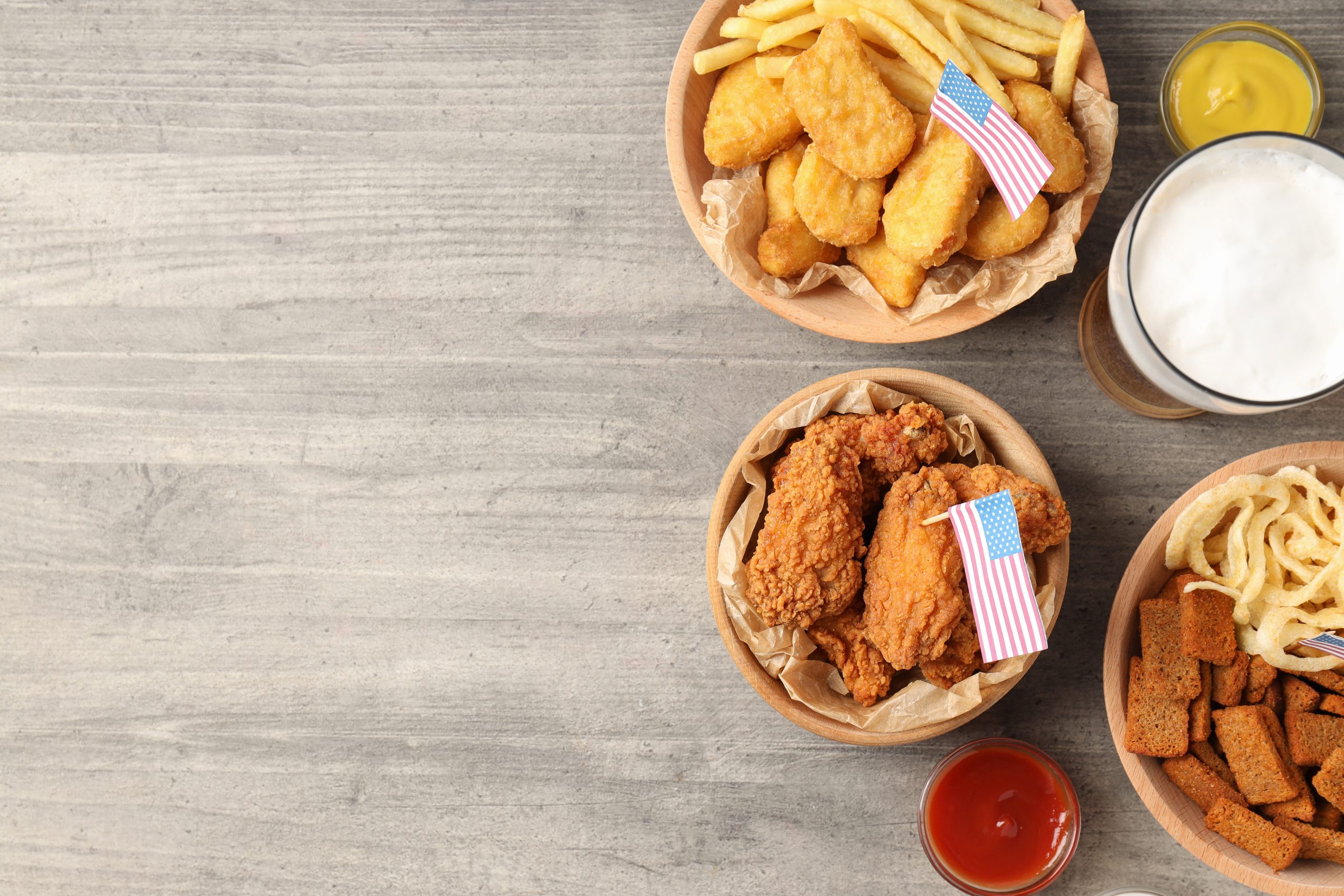
Following a halal diet requires awareness not only of obvious non-halal foods like pork and alcohol but also of hidden ingredients and processed foods that may not comply with Islamic dietary laws. Many packaged, processed, or restaurant foods contain items derived from non-halal sources, making it essential to read labels and ask questions.
This blog will explore common foods that may not be halal, highlight hidden haram ingredients, and provide tips for identifying safe alternatives.
Why Some Foods May Not Be Halal
Not all foods that appear permissible are automatically halal. Reasons include:
-
Non-Halal Meat Sources: Meat not slaughtered according to Islamic law is considered haram.
-
Animal-Derived Additives: Gelatin, rennet, and certain enzymes may come from non-halal animals.
-
Alcohol or Alcohol-Based Ingredients: Certain sauces, flavorings, or desserts may contain alcohol.
-
Cross-Contamination: Cooking surfaces or utensils previously used for haram foods can render halal foods impermissible.
Being aware of these factors ensures that your meals remain compliant, safe, and wholesome.
1. Processed Meats
Processed meats are common in many diets but may not always be halal:
-
Sausages and Hot Dogs: Often contain pork, lard, or non-halal meat.
-
Bacon and Ham: Usually derived from pork; halal alternatives are available.
-
Deli Meats: May include non-halal gelatin, flavorings, or preservatives.
Tip: Look for halal-certified packaged meats or make your own using halal ingredients.
2. Gelatin-Based Foods
Gelatin is widely used in desserts and snacks but is frequently derived from haram sources:
-
Marshmallows and Gummy Candies: Often made from pork gelatin.
-
Jellies and Puddings: Some store-bought brands use non-halal gelatin.
-
Certain Yogurts and Desserts: Gelatin is sometimes added as a stabilizer.
Halal Alternatives: Use agar-agar, pectin, or plant-based gelatin for safe desserts.
3. Cheese and Dairy Products
While most dairy is naturally halal, some cheeses may contain animal rennet:
-
Cheeses with Animal Rennet: Hard cheeses like parmesan or cheddar may use enzymes from non-halal animals.
-
Processed Cheese: May include non-halal stabilizers or additives.
-
Cream-Based Desserts: Some may contain gelatin or other non-halal ingredients.
Tip: Look for halal-certified cheese or those labeled with microbial or vegetarian rennet.
4. Alcohol-Containing Foods
Alcohol is strictly haram in Islam, but it can be present in food products:
-
Wine or Beer in Cooking: Often used in sauces, stews, or desserts.
-
Extracts and Flavorings: Vanilla extract, rum flavor, and some liqueur-based flavorings contain alcohol.
-
Ready-to-Eat Meals: Certain packaged meals or sauces may contain alcohol as a preservative.
Halal Alternatives: Use fruit juices, vinegar, or halal-certified non-alcoholic flavorings.
5. Baked Goods and Pastries
Some bakery products may contain hidden haram ingredients:
-
Pastries and Cakes: May include lard, gelatin, or non-halal emulsifiers.
-
Cookies and Biscuits: Some may contain alcohol-based flavorings or non-halal shortening.
-
Frostings and Fillings: Can include gelatin or non-halal dairy additives.
Tip: Check ingredient lists carefully or bake at home using halal-certified ingredients.
6. Fast Food and Restaurant Items
Eating out can be tricky if you’re not familiar with halal guidelines:
-
Burgers and Sandwiches: Meat may not be halal, sauces may contain alcohol or non-halal ingredients.
-
Fried Foods: Oil may be shared with non-halal items, causing cross-contamination.
-
Ethnic Dishes: Some cuisines, like certain Chinese, Italian, or European dishes, may include wine, lard, or gelatin.
Tip: Ask the restaurant about halal options, certified suppliers, and cooking practices.
7. Snacks and Convenience Foods
Many packaged snacks may have hidden non-halal ingredients:
-
Chocolates and Candy: May contain gelatin, emulsifiers, or alcohol flavoring.
-
Instant Noodles: Flavor packets sometimes contain meat extracts or non-halal additives.
-
Energy Bars and Protein Powders: Check for gelatin, whey, or other animal-derived ingredients.
Tip: Choose halal-certified brands and read labels thoroughly.
Tips to Ensure Your Foods Are Halal
-
Look for Halal Certification: Logos from recognized authorities provide assurance.
-
Read Ingredient Labels: Avoid items with unclear additives, alcohol, or pork derivatives.
-
Ask Questions: When dining out, confirm the halal status with staff.
-
Use Trusted Sources: Buy from halal-certified suppliers or stores.
-
Separate Halal and Non-Halal Items: Prevent cross-contamination at home.
Conclusion
Not all foods that appear permissible are automatically halal. Processed meats, gelatin-based desserts, cheese, alcohol-containing items, baked goods, fast food, and packaged snacks may include hidden non-halal ingredients. Being vigilant, reading labels carefully, and choosing halal-certified alternatives ensures that your meals remain wholesome, safe, and compliant with Islamic dietary laws.
By understanding which foods may not be halal and using smart practices, you can enjoy a wide variety of meals confidently while adhering to your dietary principles. Knowledge, preparation, and careful selection are the keys to maintaining a halal lifestyle in today’s diverse food environment.