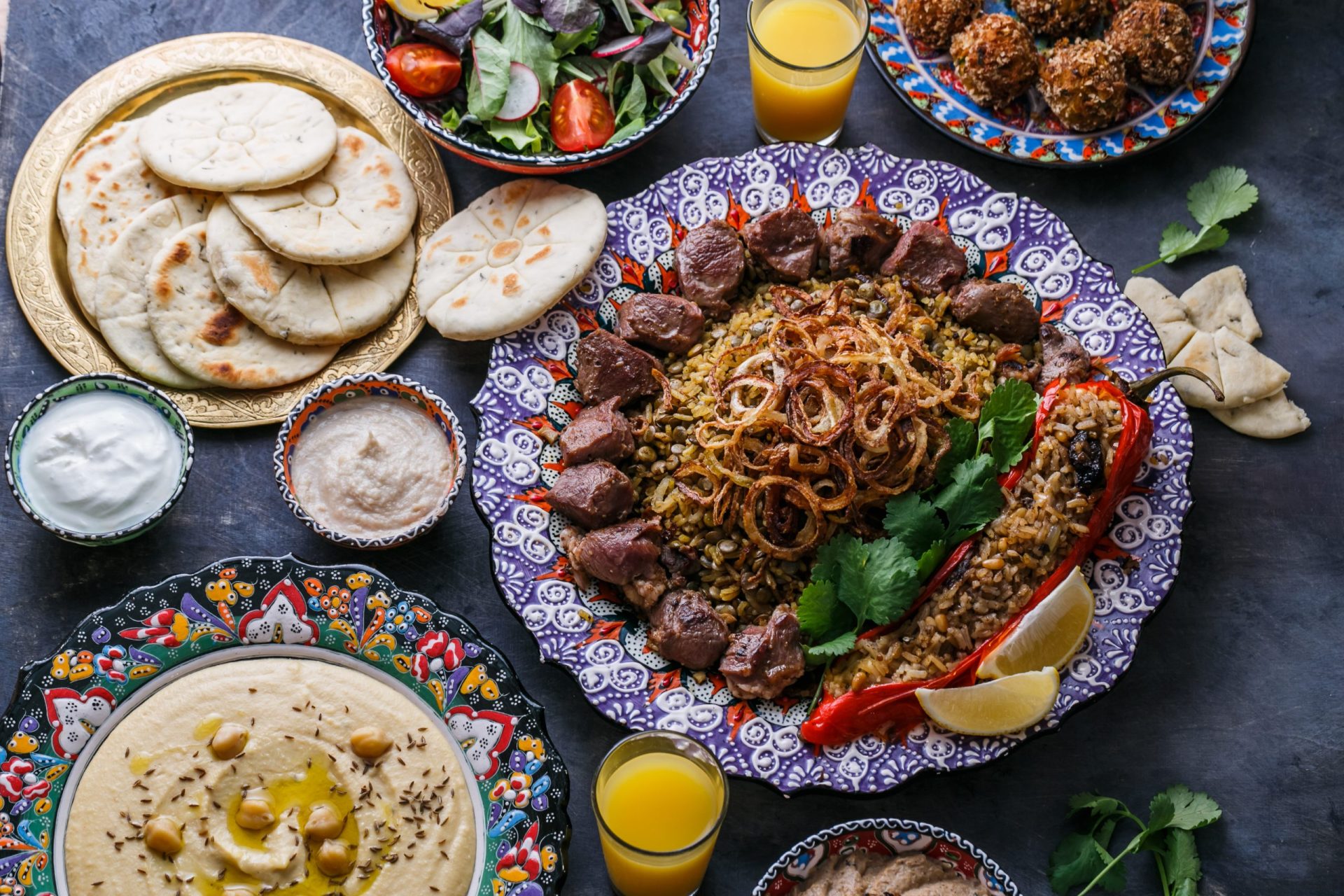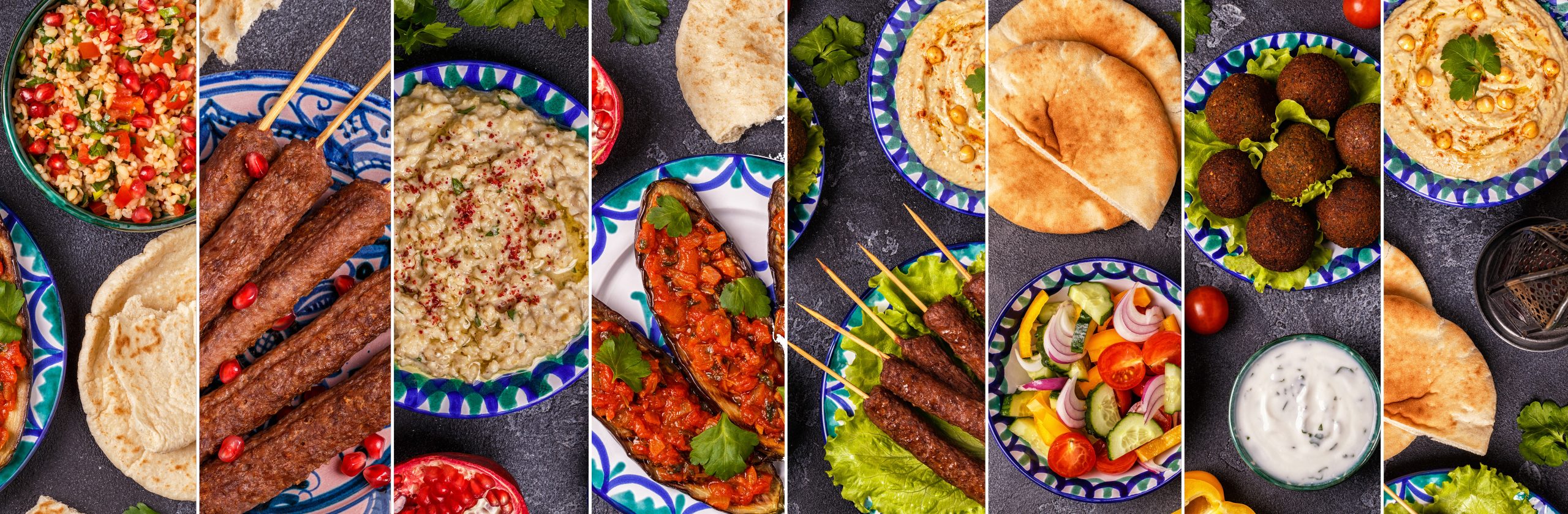





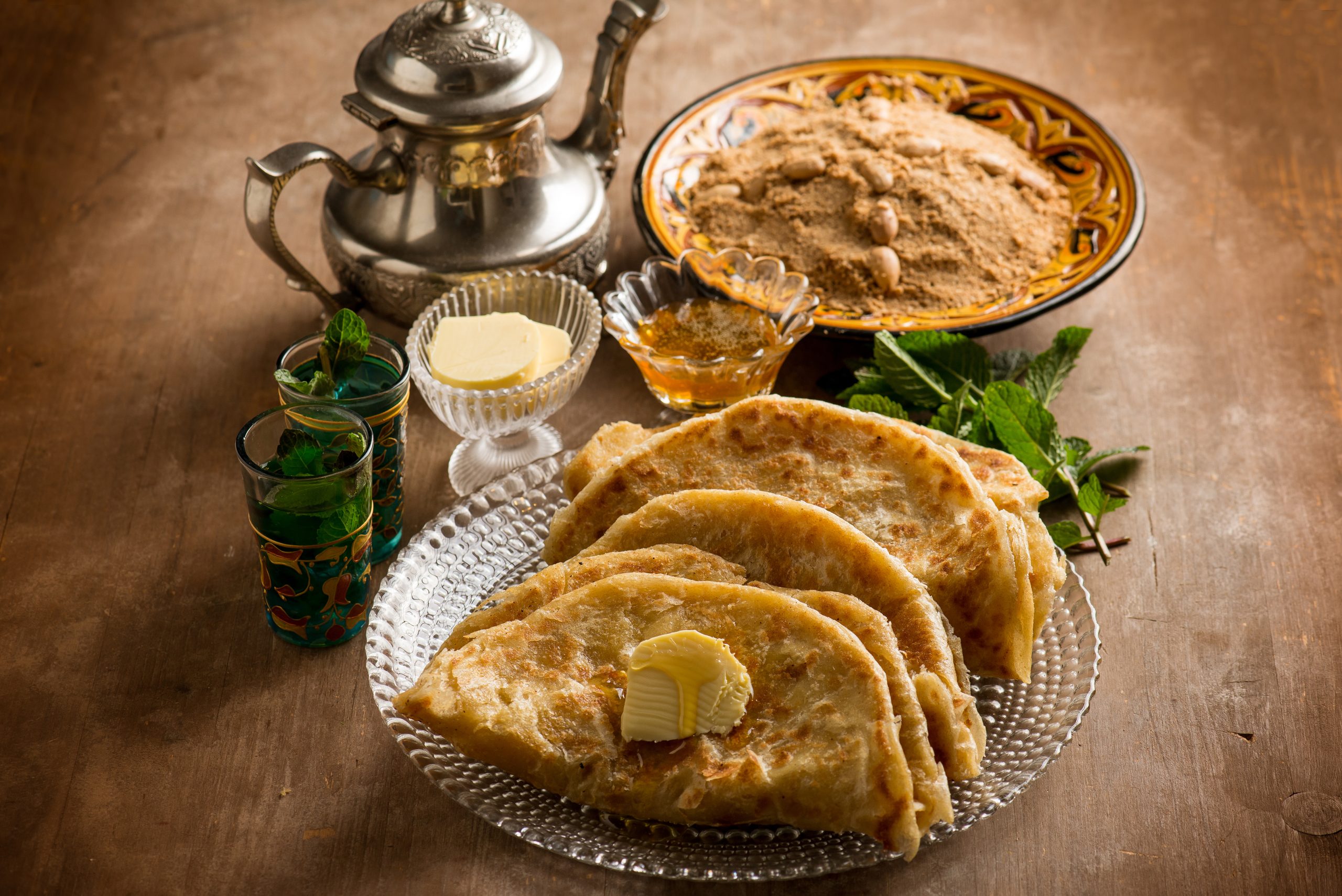



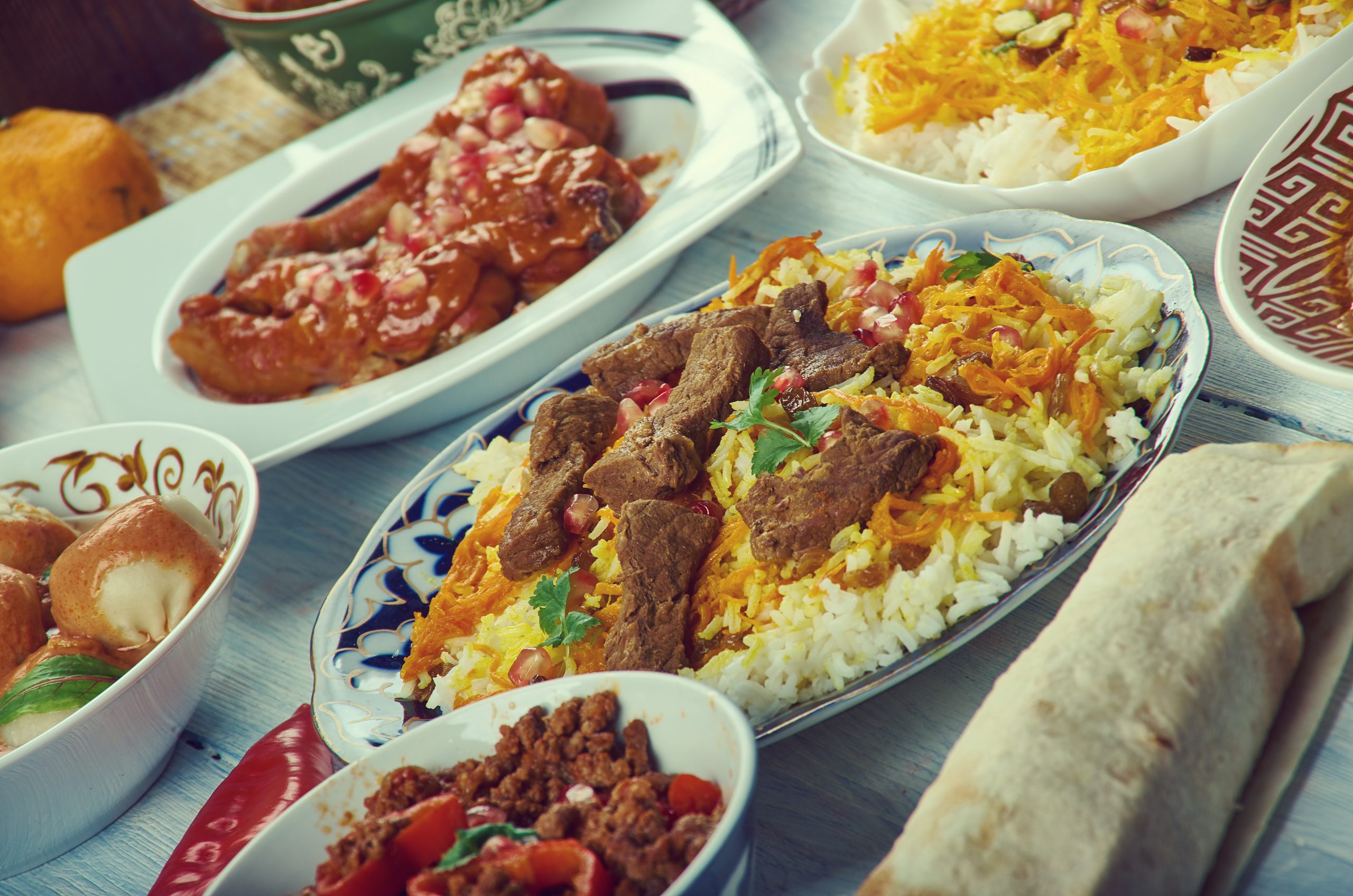
Halal cuisine is not only about following dietary laws; it is also a celebration of diverse flavors, cultures, and culinary traditions. Across the globe, halal dishes reflect the unique heritage of each region while adhering to Islamic dietary principles. From hearty curries in South Asia to savory street foods in the Middle East, halal foods have captivated the taste buds of millions of people worldwide.
This blog explores some of the most popular global halal dishes, highlighting what makes them unique and why they are beloved by both Muslim and non-Muslim communities.
1. Shawarma – Middle East
Shawarma is one of the most recognizable Middle Eastern halal dishes:
-
Origin: Lebanon, Egypt, and surrounding countries.
-
Description: Thin slices of marinated meat—typically chicken, lamb, or beef—are cooked on a vertical rotisserie.
-
Serving: Wrapped in pita bread with vegetables, tahini, or garlic sauce.
-
Popularity: Shawarma has become a global street food favorite, known for its savory spices and tender meat.
Shawarma’s appeal lies in its versatility, as it can be served as a wrap, platter, or sandwich, making it perfect for casual meals or festive occasions.
2. Biryani – South Asia
Biryani is a flavorful rice dish that represents the culinary richness of South Asia:
-
Origin: Pakistan, India, Bangladesh.
-
Description: Long-grain rice cooked with halal chicken, beef, or lamb, infused with saffron, aromatic spices, and fried onions.
-
Serving: Often accompanied by yogurt, raita, or salad.
-
Popularity: A staple during celebrations, weddings, and Ramadan, biryani is loved for its aromatic flavors and hearty texture.
Each region has its own variation, such as Hyderabadi, Karachi, or Lucknowi biryani, each with unique spice blends and cooking techniques.
3. Satay – Southeast Asia
Satay is a grilled halal meat dish famous in Indonesia, Malaysia, and Singapore:
-
Origin: Indonesia and Malaysia.
-
Description: Skewers of halal chicken, beef, or lamb, marinated in spices and grilled over charcoal.
-
Serving: Served with peanut sauce, rice cakes, and fresh vegetables.
-
Popularity: Satay is a popular street food and festival dish, known for its smoky aroma and sweet-savory flavor.
Satay’s global popularity has led to adaptations in Western countries, often served with halal-certified sauces and bread.
4. Kebabs – Turkey, Iran, and Beyond
Kebabs are among the most iconic halal dishes worldwide:
-
Origin: Turkey, Iran, and Middle Eastern countries.
-
Description: Skewered and grilled meat, usually lamb, beef, or chicken, seasoned with herbs and spices.
-
Serving: Often accompanied by rice, bread, grilled vegetables, or yogurt sauce.
-
Popularity: Kebab restaurants are found in almost every major city, and the dish is loved for its juicy, tender meat and smoky flavor.
Kebabs come in various forms, including Shish Kebab, Doner Kebab, and Seekh Kebab, offering a wide range of tastes for halal food lovers.
5. Nasi Lemak – Malaysia
Nasi Lemak is a traditional Malaysian halal dish that combines rice, coconut milk, and various accompaniments:
-
Origin: Malaysia.
-
Description: Coconut milk rice served with fried anchovies, peanuts, boiled eggs, cucumber, and halal meats like chicken or beef rendang.
-
Serving: Often eaten for breakfast or lunch.
-
Popularity: Known as the national dish of Malaysia, Nasi Lemak is celebrated for its rich flavors and balance of sweet, spicy, and savory notes.
The versatility of Nasi Lemak makes it popular in both street stalls and high-end restaurants.
6. Falafel – Middle East
Falafel is a vegetarian-friendly halal dish that has gained international popularity:
-
Origin: Egypt, Israel, and Palestine.
-
Description: Deep-fried patties made from chickpeas or fava beans, seasoned with herbs and spices.
-
Serving: Served in pita bread with tahini sauce, vegetables, or salad.
-
Popularity: Loved globally as a healthy and flavorful street food, falafel is a staple in Middle Eastern cuisine.
Falafel’s plant-based ingredients make it suitable for vegetarians while remaining compliant with halal principles.
7. Haleem – South Asia and the Middle East
Haleem is a slow-cooked, hearty stew enjoyed across South Asia and the Middle East:
-
Origin: Pakistan, India, and the Middle East.
-
Description: A mixture of wheat, lentils, and halal meat (usually beef, lamb, or chicken), cooked for hours with spices.
-
Serving: Topped with fried onions, lemon, and fresh herbs.
-
Popularity: Especially popular during Ramadan, Haleem is known for its nutritious, protein-rich content and comforting taste.
Haleem represents slow cooking traditions that emphasize flavor, nutrition, and compliance with halal standards.
Tips for Enjoying Global Halal Dishes
-
Look for Halal Certification: Especially important for packaged or restaurant dishes.
-
Explore Regional Variations: Each country offers unique flavors and cooking styles.
-
Try Street Foods: Many popular halal street foods are both authentic and affordable.
-
Cook at Home: Preparing global halal dishes at home ensures compliance with halal dietary laws.
Conclusion
Halal dishes from around the world reflect the richness of culinary traditions and cultural diversity. From Middle Eastern shawarma and falafel to South Asian biryani and Haleem, Southeast Asian satay, and Malaysian Nasi Lemak, these dishes are beloved for their flavors, textures, and authenticity.
Global halal cuisine allows Muslim consumers to enjoy safe, wholesome, and delicious meals while experiencing the diverse culinary heritage of different countries. Exploring these dishes is a journey of flavor, tradition, and cultural appreciation that is both enriching and compliant with Islamic dietary principles.