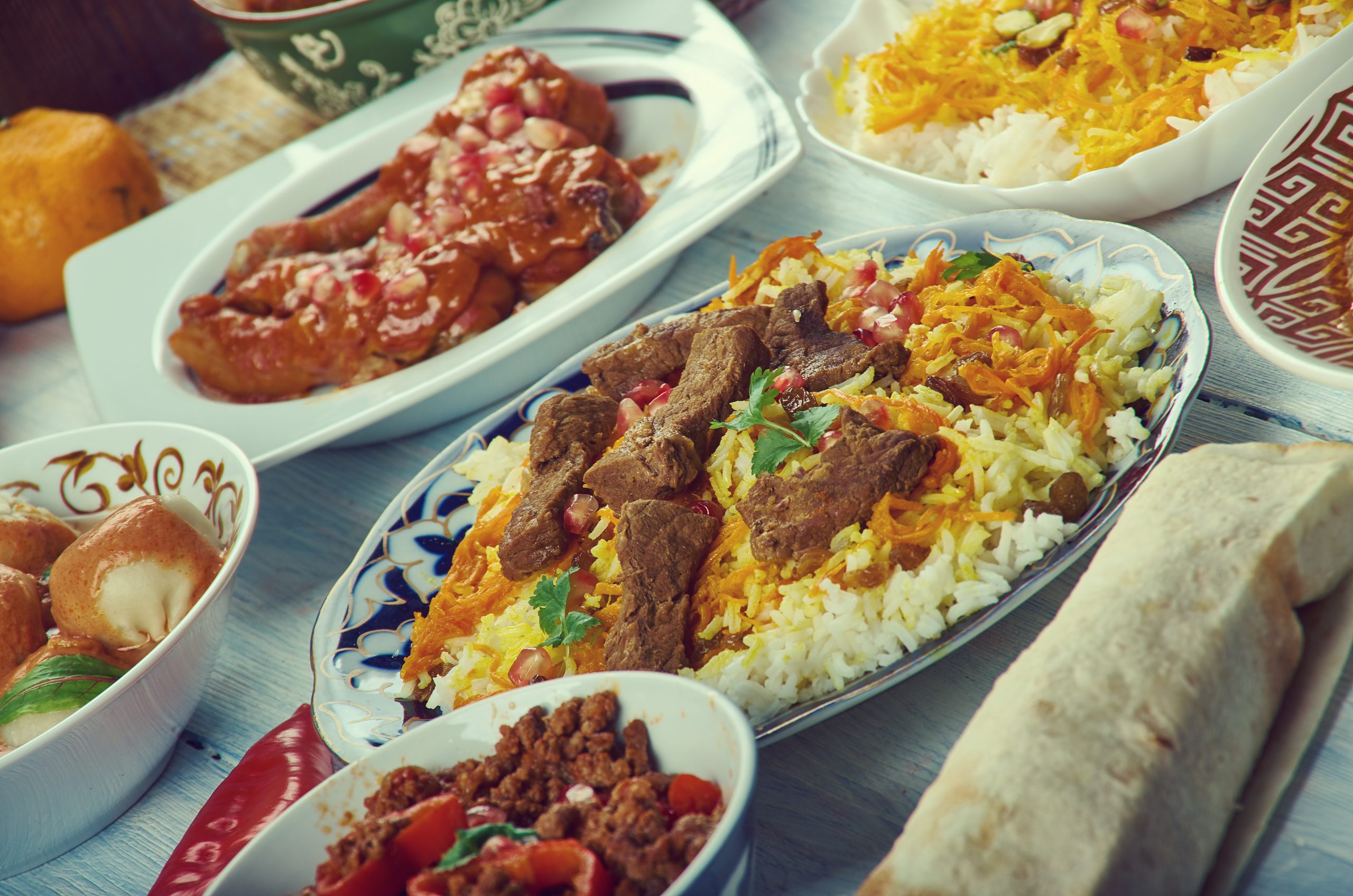





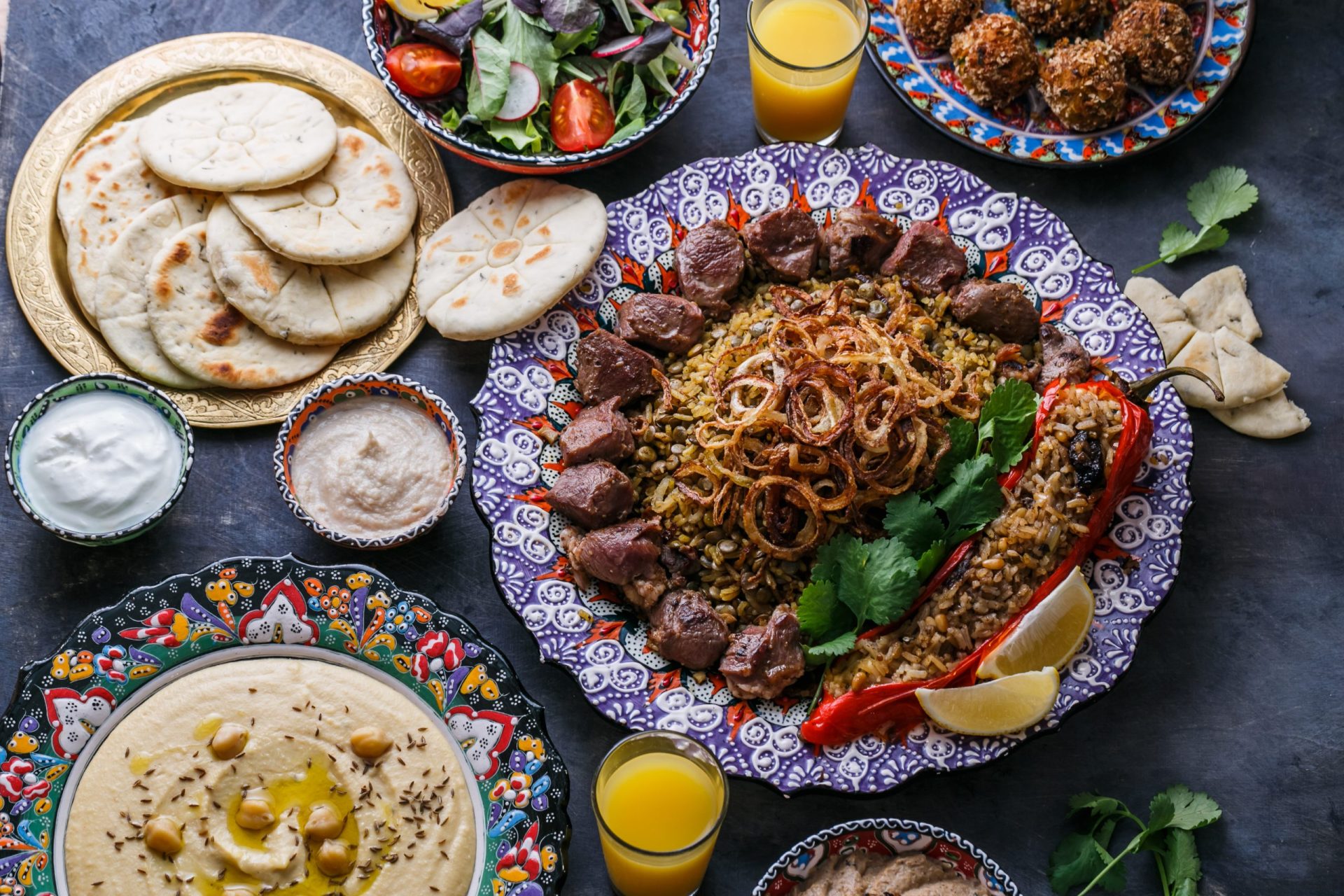
Halal cuisine is much more than a dietary requirement—it is a gateway to global flavors, diverse cooking traditions, and cultural heritage. Across continents, halal dishes reflect the unique tastes, ingredients, and preparation methods of different regions while adhering to Islamic dietary laws. Whether it’s a rich curry from South Asia, a smoky kebab from the Middle East, or a sweet dessert from Southeast Asia, halal food offers a culinary experience that is both wholesome and flavorful.
This blog explores the world of international halal cuisine, highlighting popular dishes, regional specialties, and tips for enjoying halal foods around the globe.
Understanding Halal Cuisine
Halal, in Arabic, means “permissible” under Islamic law. In the context of food, halal indicates that:
-
Meat comes from animals slaughtered according to Islamic practices.
-
No haram (forbidden) ingredients such as pork, alcohol, or non-halal animal derivatives are used.
-
Hygienic and ethical food handling standards are maintained throughout the supply chain.
International halal cuisine combines these principles with regional flavors and culinary techniques, creating a wide variety of delicious dishes.
Middle Eastern Halal Cuisine
The Middle East is renowned for its rich and aromatic halal dishes:
-
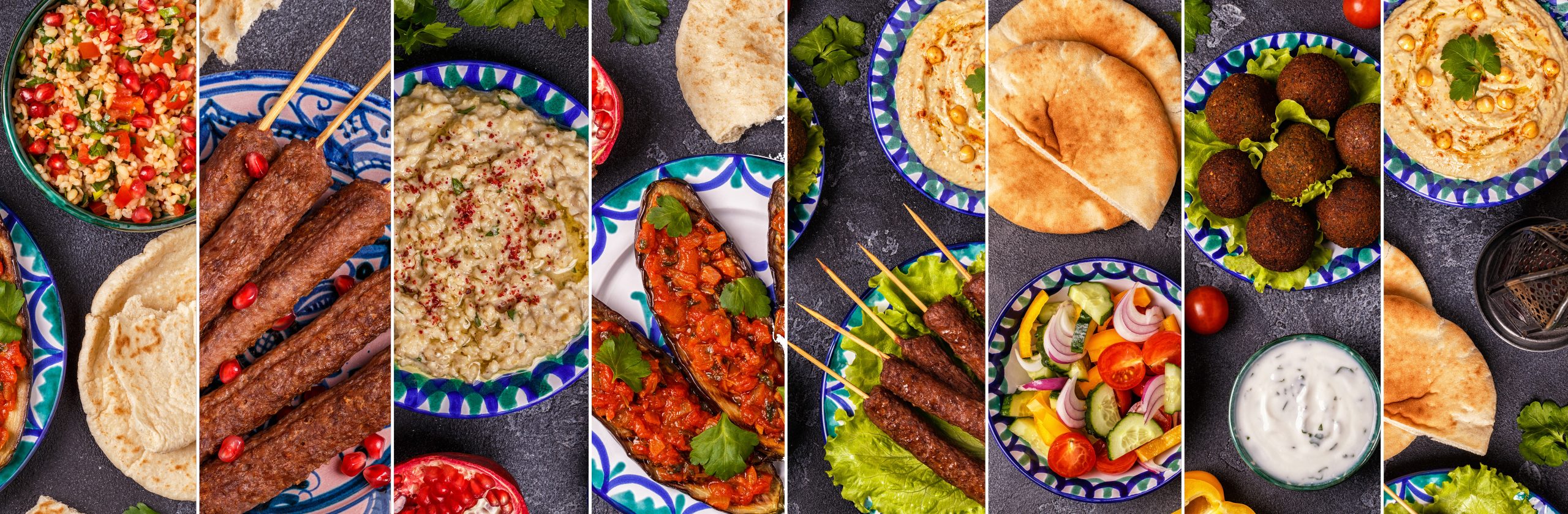
Shawarma: Thinly sliced marinated meat roasted on a vertical spit and served in pita bread with garlic sauce or tahini.
-
Kebabs: Skewered and grilled halal meats, such as lamb or chicken, flavored with spices like cumin and paprika.
-
Falafel: Deep-fried chickpea or fava bean patties served with fresh vegetables and tahini sauce.
-
Hummus and Tabouleh: Popular sides made from chickpeas, olive oil, and fresh herbs.
Middle Eastern halal cuisine emphasizes fresh herbs, olive oil, and slow-cooked meats, resulting in bold and satisfying flavors.
South Asian Halal Cuisine
South Asia, including Pakistan, India, and Bangladesh, offers spicy, aromatic, and hearty halal dishes:
-
Biryani: Fragrant rice cooked with halal meat (chicken, beef, or lamb), saffron, and a blend of spices.
-
Seekh Kebabs: Minced meat seasoned with aromatic spices, skewered, and grilled.
-
Chicken Karahi: A spicy chicken curry cooked in a wok-like pan called a karahi.
-
Haleem: A slow-cooked stew of wheat, lentils, and meat, popular during Ramadan.
South Asian halal cuisine is loved for its complex spice blends, slow-cooked techniques, and rich textures.
Southeast Asian Halal Cuisine
Southeast Asia, including Malaysia, Indonesia, and Singapore, offers unique combinations of spices, coconut milk, and halal meats:
-
Nasi Lemak: Coconut rice served with fried anchovies, peanuts, boiled eggs, and halal meat.
-
Satay: Grilled skewers of marinated halal meat served with peanut sauce.
-
Rendang: Slow-cooked spiced beef or chicken with coconut milk.
-
Mee Goreng: Stir-fried noodles with halal chicken or shrimp, vegetables, and soy-based sauces.
Southeast Asian halal cuisine is known for its aromatic, rich, and often sweet-savory flavors.
African Halal Cuisine
African halal dishes reflect bold flavors, grilled meats, and hearty stews:
-
Tajine (Morocco): Slow-cooked meat with vegetables, dried fruits, and Moroccan spices.
-
Suya (Nigeria): Spicy grilled meat skewers coated with peanuts and chili powder.
-
Bunny Chow (South Africa): Hollowed-out bread filled with spicy halal curry.
-
Tagine Couscous: Couscous served with halal meat, vegetables, and flavorful sauces.
African halal cuisine emphasizes community-style meals, bold seasoning, and grilled or slow-cooked meats.
Western Halal Cuisine
Halal cuisine has also adapted to Western tastes, especially in fast food, casual dining, and fusion dishes:
-
Halal Burgers and Sandwiches: Made from halal beef, chicken, or lamb.
-
Halal Pizza and Pasta: Incorporating halal meats and dairy products.
-
Desserts: Cakes, pastries, and chocolates that avoid gelatin from pork or alcohol-based flavorings.
-
Street Food: Popular in urban areas, including wraps, fries, and fusion snacks.
Western halal cuisine combines familiar Western flavors with halal compliance, making it accessible to global consumers.
Tips for Enjoying International Halal Cuisine
-
Look for Halal Certification: Ensures meats and ingredients comply with Islamic dietary laws.
-
Ask About Ingredients: Especially in restaurants or street food vendors where hidden non-halal items may be present.
-
Try Regional Specialties: Experiencing local halal dishes adds cultural depth and culinary adventure.
-
Cook at Home: Preparing international halal dishes ensures full control over ingredients, quality, and compliance.
Conclusion
Exploring international halal cuisine is a delicious journey across continents, cultures, and flavors. From Middle Eastern shawarma and kebabs to South Asian biryani and Haleem, Southeast Asian satay and rendang, African tajines and suya, and Western halal fusion foods, halal dishes offer rich, aromatic, and wholesome meals for Muslim consumers worldwide.
By understanding regional specialties, checking halal certification, and embracing global culinary traditions, halal food enthusiasts can enjoy diverse, safe, and culturally enriching meals while adhering to Islamic dietary laws.