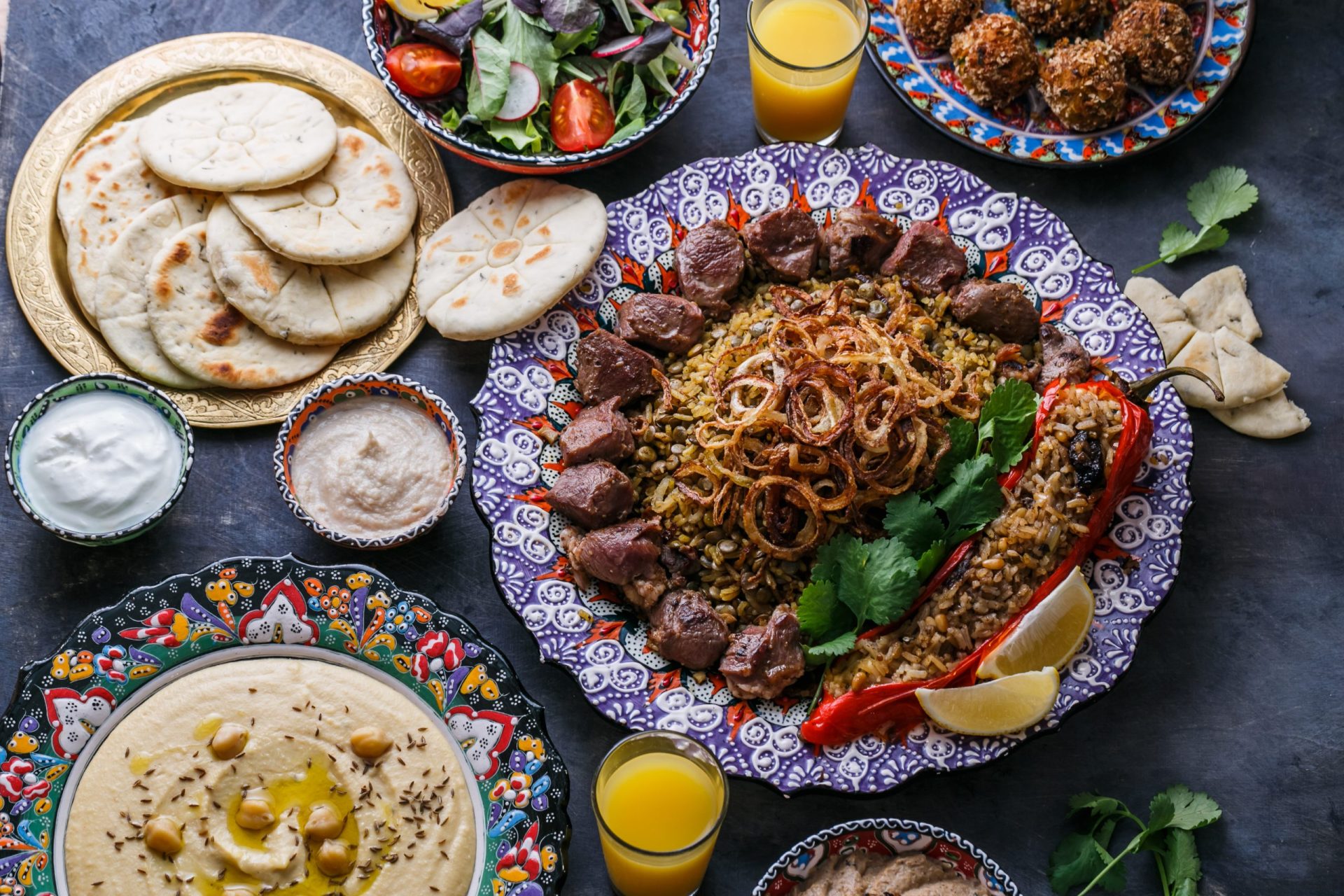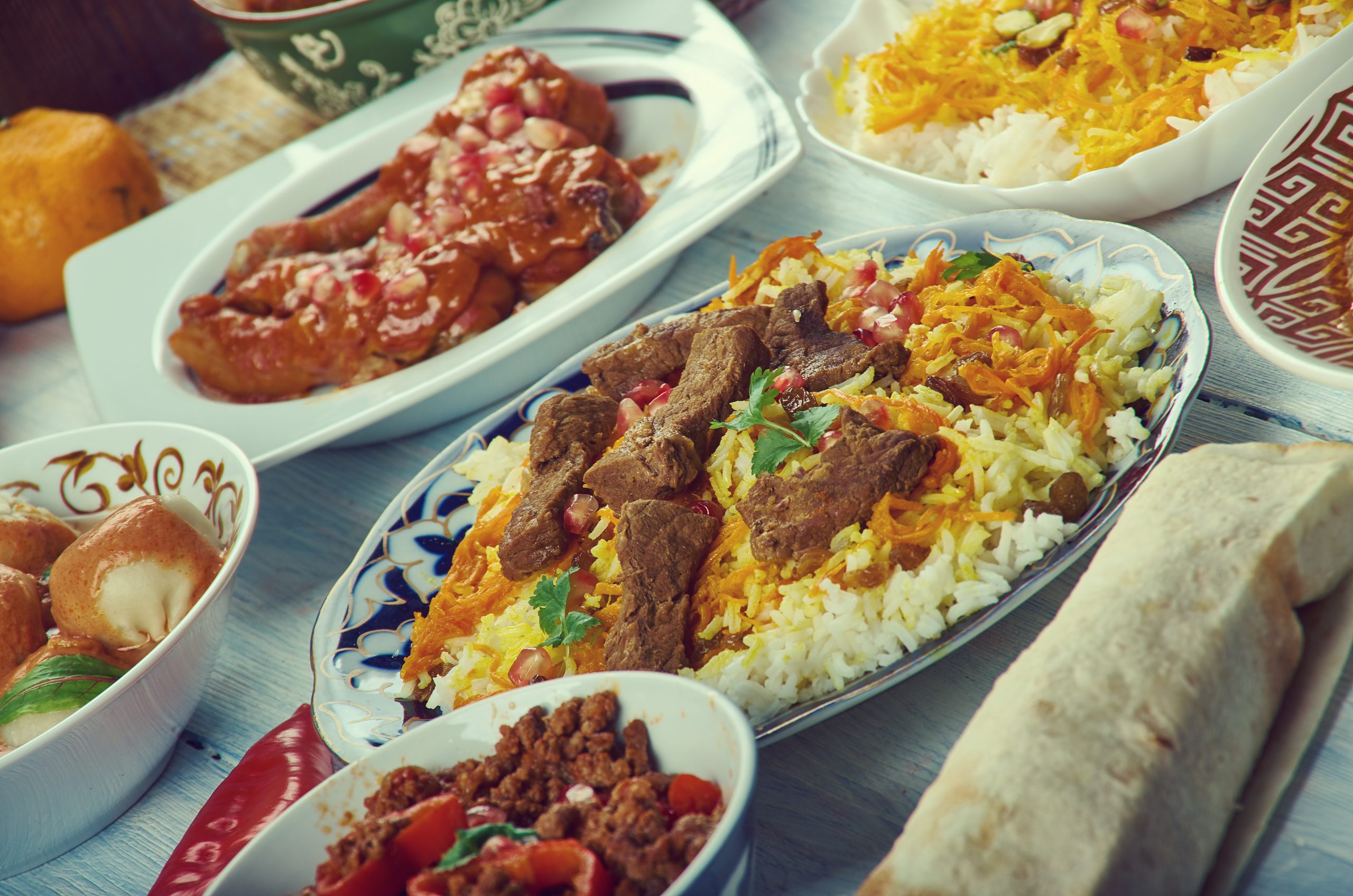




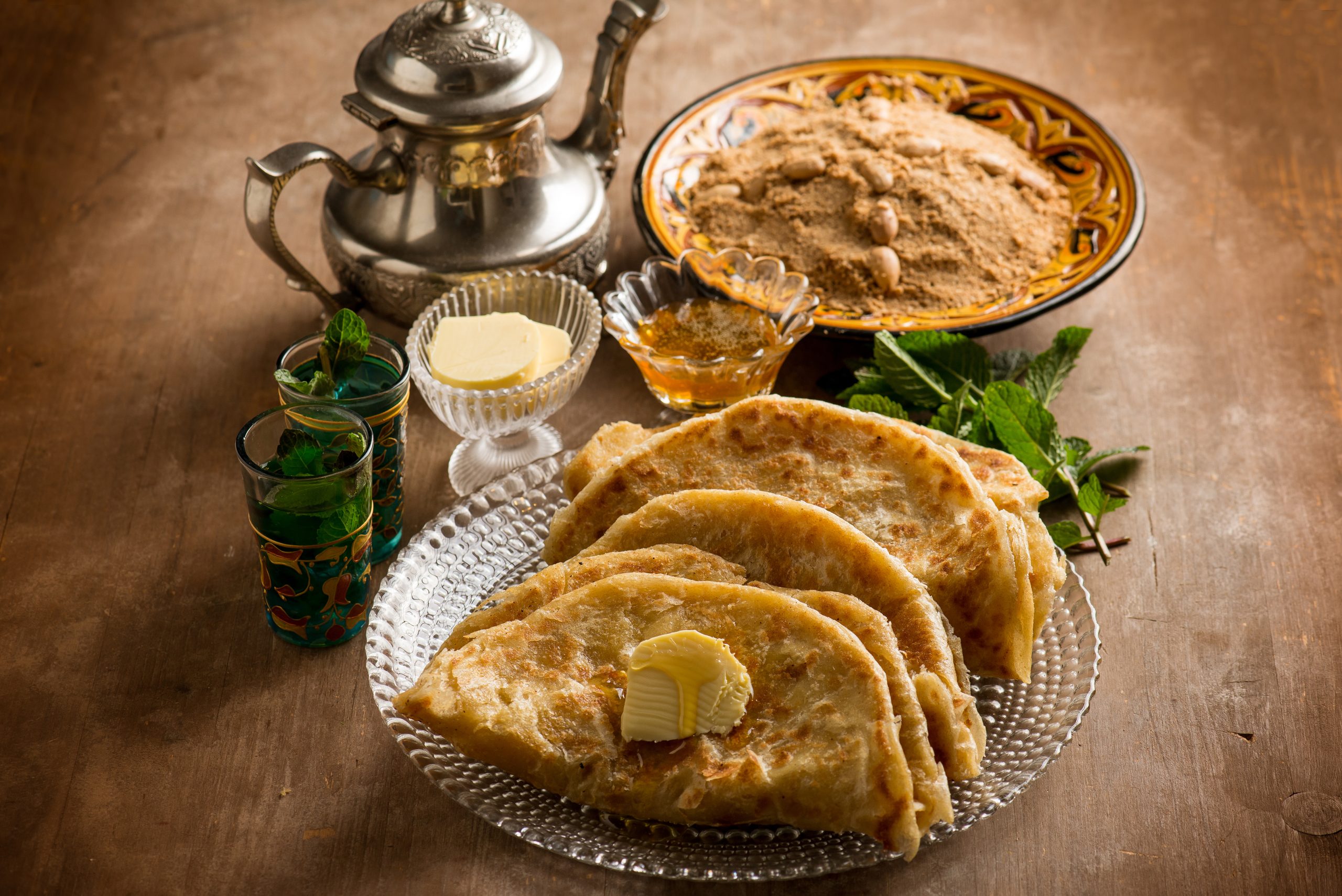
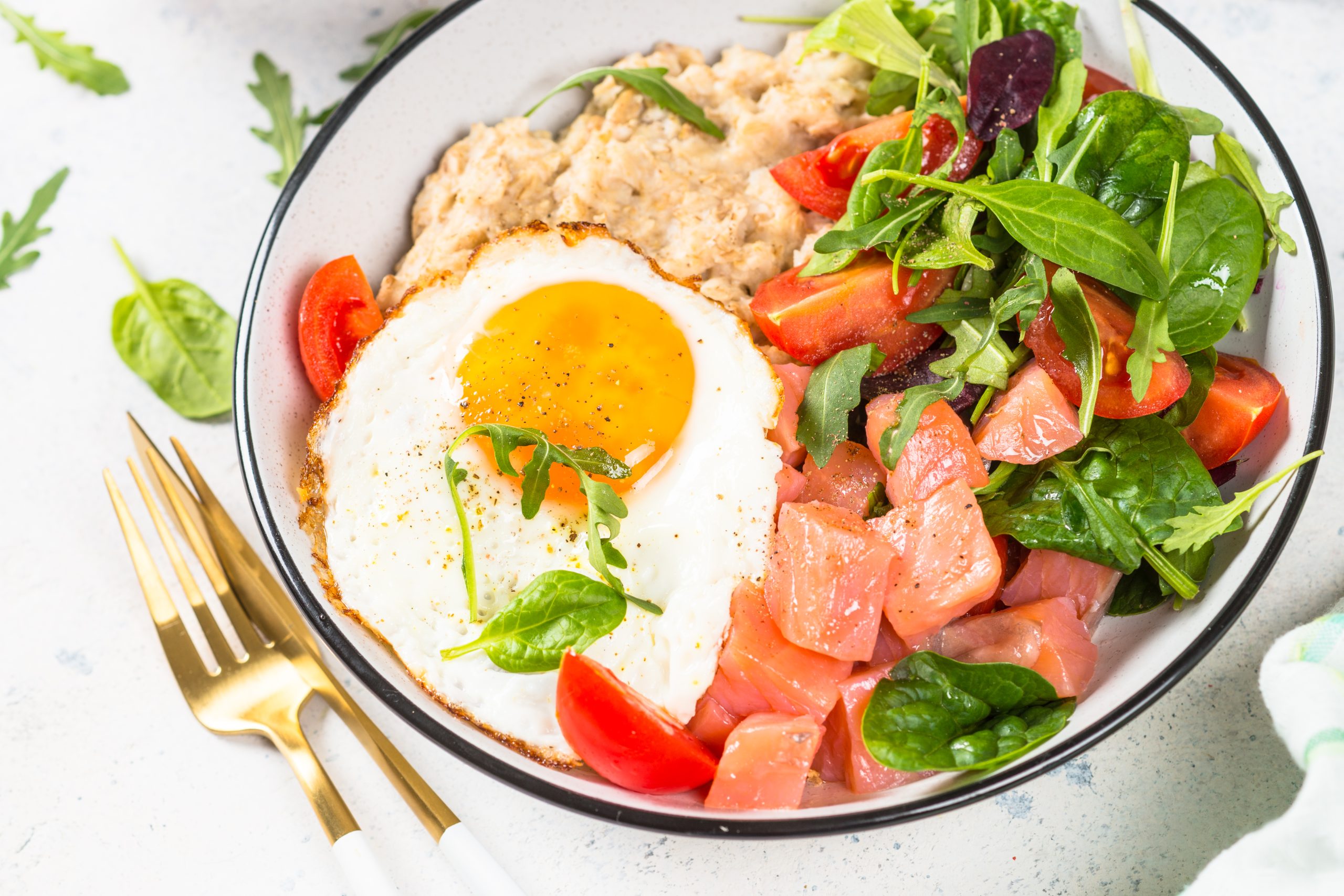

Halal food is not limited to a specific region or cuisine. Across the globe, diverse cultures and countries have developed unique halal dishes that are both delicious and compliant with Islamic dietary laws. From the rich curries of South Asia to the savory street foods of the Middle East, halal cuisine reflects a blend of cultural heritage, tradition, and religious compliance.
This blog explores popular halal foods from different countries, highlighting flavors, cooking styles, and must-try dishes for halal enthusiasts.
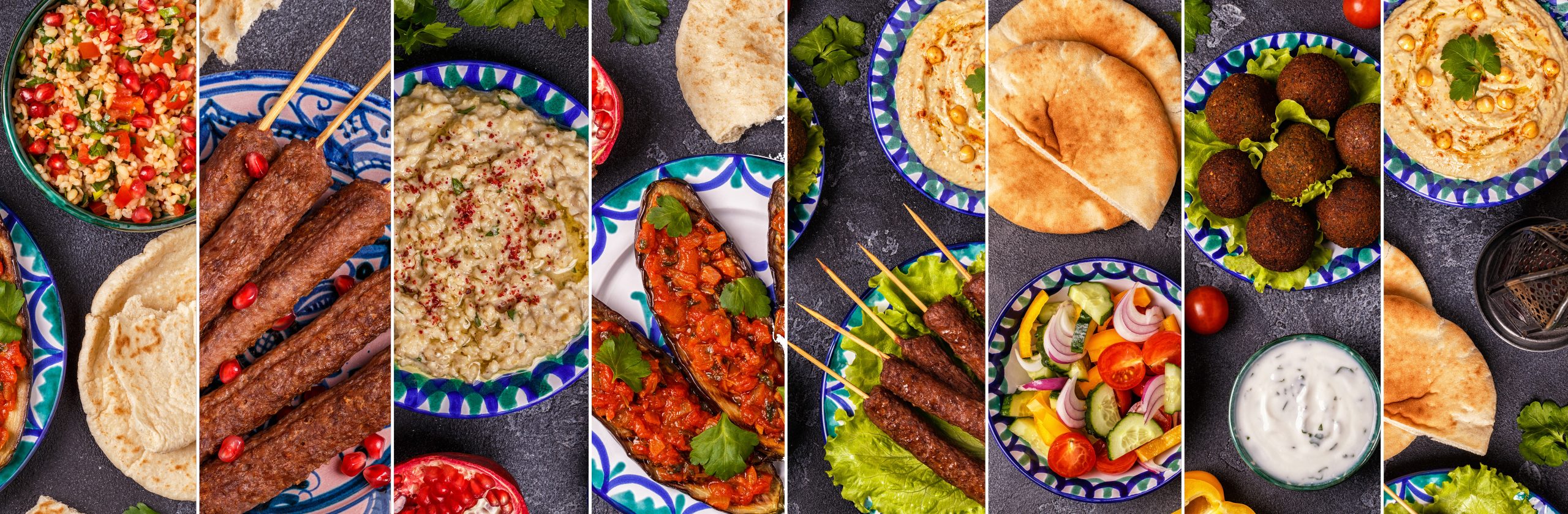
1. Middle Eastern Halal Cuisine
Middle Eastern countries have some of the most well-known halal dishes worldwide:
-
Shawarma (Lebanon, Egypt): Marinated meat cooked on a vertical rotisserie and served in flatbreads with vegetables and sauces.
-
Falafel (Egypt, Israel, Palestine): Deep-fried chickpea or fava bean patties, often served with tahini or hummus.
-
Kebabs (Turkey, Iran): Grilled skewers of meat, usually lamb or chicken, flavored with herbs and spices.
-
Hummus and Tabouleh: Traditional side dishes made from chickpeas, parsley, tomatoes, and olive oil, always halal-friendly.
Middle Eastern halal cuisine is rich in spices, herbs, and olive oil, offering flavorful dishes suitable for both daily meals and festive occasions.
2. South Asian Halal Foods
South Asia, particularly Pakistan, India, and Bangladesh, is known for its spicy and aromatic halal dishes:
-
Biryani (Pakistan, India): A fragrant rice dish with halal chicken, beef, or lamb, cooked with saffron, spices, and fried onions.
-
Chicken Karahi (Pakistan): A spicy chicken curry cooked in a wok-like pan called a karahi with tomatoes, green chilies, and spices.
-
Seekh Kebabs (India, Pakistan): Minced meat skewers, grilled or baked with a blend of spices.
-
Haleem (Pakistan, India): Slow-cooked wheat, lentils, and meat stew, often consumed during Ramadan.
South Asian halal cuisine is famous for its intense flavors, slow-cooked meats, and hearty meals that satisfy both taste and religious requirements.
3. Southeast Asian Halal Cuisine
Southeast Asia, including Malaysia, Indonesia, and Singapore, offers a unique blend of spices, coconut milk, and halal meat:
-
Nasi Lemak (Malaysia): Coconut milk rice served with fried anchovies, peanuts, boiled eggs, and halal chicken or beef rendang.
-
Satay (Indonesia, Malaysia): Grilled skewers of marinated halal meat served with peanut sauce.
-
Rendang (Indonesia, Malaysia): Slow-cooked spiced beef curry, rich in coconut milk and aromatic spices.
-
Mee Goreng (Malaysia, Singapore): Stir-fried noodles with halal chicken or shrimp, vegetables, and soy-based sauces.
Southeast Asian halal dishes are flavorful, aromatic, and often cooked with coconut milk or tamarind, creating distinctive regional tastes.
4. African Halal Cuisine
Halal foods from Africa often feature grilled meats, stews, and flavorful spices:
-
Tajine (Morocco): Slow-cooked meat, often lamb or chicken, with vegetables, dried fruits, and Moroccan spices.
-
Suya (Nigeria): Spicy grilled meat skewers coated with ground peanuts and chili powder.
-
Bunny Chow (South Africa): Hollowed-out bread filled with spicy halal curry, commonly made with beef or chicken.
-
Tagine Couscous (North Africa): Couscous served with halal meat, vegetables, and a fragrant sauce.
African halal cuisine emphasizes bold flavors, slow cooking, and grilled meats, reflecting both cultural and Islamic influences.
5. Western Halal Options
Halal foods are increasingly popular in Western countries, especially in fast food, street food, and fusion cuisines:
-
Halal Burgers (USA, UK): Beef or chicken burgers made from halal-certified meat.
-
Pizza and Pasta (Europe, USA): Halal versions include halal meats, cheese, and vegetable toppings.
-
Halal Sandwiches and Wraps: Popular in urban areas, especially in Middle Eastern or South Asian communities.
-
Desserts: Many Western desserts can be halal if they exclude gelatin from pork and alcohol-based ingredients.
Western halal cuisine blends traditional Western flavors with halal ingredients, making it accessible to Muslim consumers in non-Muslim countries.
Tips for Enjoying Halal Foods Internationally
-
Look for Halal Certification: Whether dining out or buying packaged foods, ensure meats and ingredients are halal-certified.
-
Ask About Preparation: Some dishes may contain non-halal additives or cooking methods.
-
Try Regional Specialties: Exploring local halal dishes allows you to enjoy diverse flavors while staying compliant.
-
Cook at Home: Preparing international halal dishes at home guarantees compliance with halal standards.
Conclusion
Halal foods reflect the diverse culinary traditions of the world, from Middle Eastern kebabs to South Asian curries, Southeast Asian satays, African stews, and Western halal fast food. Each region offers unique flavors, ingredients, and cooking methods, all adhering to Islamic dietary laws.
Exploring halal foods from different countries allows Muslim consumers to enjoy global cuisine safely, while businesses can cater to a growing international halal market. By understanding regional specialties and checking for halal compliance, anyone can experience delicious, wholesome, and culturally rich halal meals from around the world.