



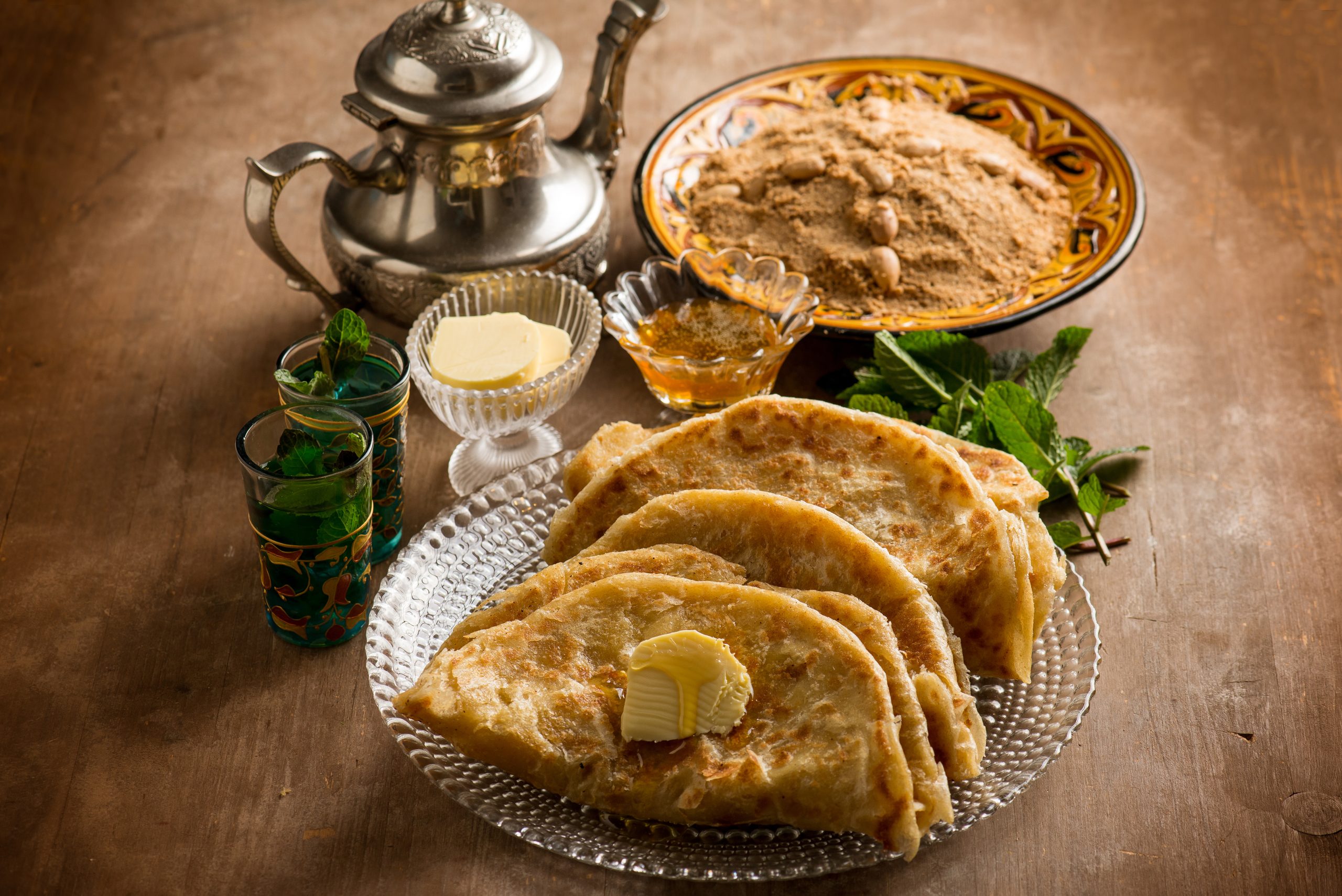
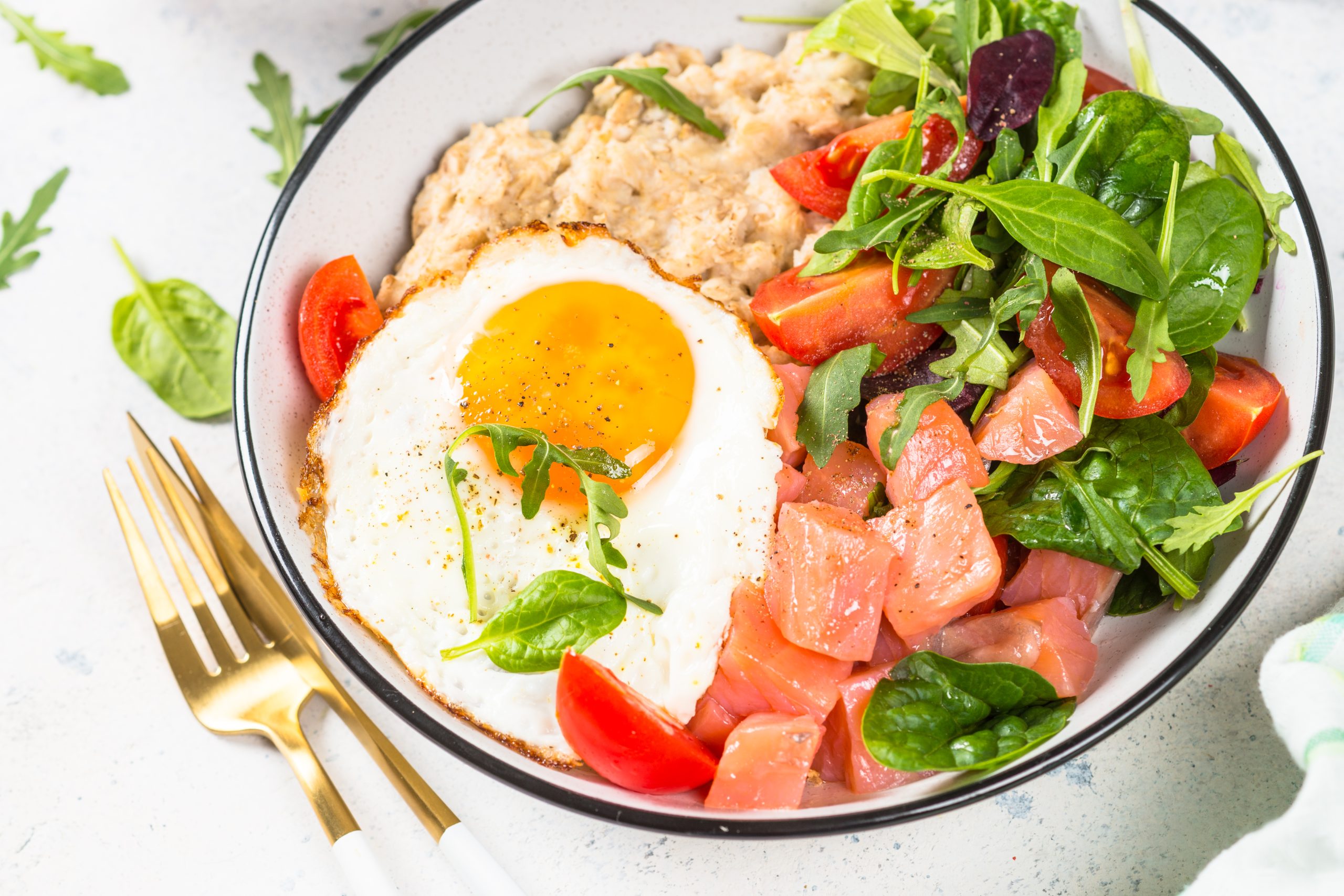


For anyone following a halal diet, knowing how to verify whether food is halal is crucial. While some foods are naturally halal, such as fruits, vegetables, grains, and seafood, others—especially processed, packaged, or restaurant foods—may contain hidden haram ingredients. Learning to check foods ensures that your meals are safe, wholesome, and compliant with Islamic dietary laws.
This blog will guide you through practical methods and tips for checking whether food is halal, from reading labels to asking the right questions.
Understanding Halal Food
Before checking food, it’s important to understand what halal means:
-
Halal refers to foods that are permissible under Islamic law.
-
Haram refers to foods that are forbidden, including pork, alcohol, improperly slaughtered animals, and certain additives.
-
Halal Certification ensures that a product or ingredient has been verified by a recognized authority for compliance with Islamic law.
Understanding these basics helps you identify foods that are suitable for a halal diet.
1. Look for Halal Certification
One of the easiest ways to check if food is halal is to look for certification logos:
-
Recognized Halal Symbols: Many countries have halal certification authorities, and their logos are placed on compliant products.
-
Halal-Certified Brands: Buying from trusted brands ensures the ingredients and processes meet halal standards.
-
Check Expiry and Validity: Some certifications are time-limited; ensure the product’s certification is current.
Tip: Not all logos are equal; verify that the certification comes from a reputable authority.
2. Read Ingredient Labels Carefully
Checking ingredients is essential, especially for packaged and processed foods:
-
Avoid Pork and Pork Derivatives: Bacon, lard, gelatin, and some emulsifiers may come from pigs.
-
Check for Alcohol: Some sauces, extracts, or flavorings may contain alcohol.
-
Identify Animal-Derived Additives: Gelatin, rennet, and certain enzymes may be haram if sourced from non-halal animals.
-
Watch for Ambiguous Ingredients: Terms like “natural flavors” or “enzymes” may need further clarification.
Tip: If the label doesn’t provide enough information, contact the manufacturer or avoid the product.
3. Ask Questions at Restaurants or Food Outlets
When eating out, it’s important to ask about halal practices:
-
Confirm Meat Sources: Ask whether the meat is halal-certified and how it is prepared.
-
Check for Cross-Contamination: Ensure utensils, grills, and fryers are not shared with haram items.
-
Inquire About Ingredients: Sauces, marinades, and desserts may contain non-halal additives.
-
Verify Alcohol Usage: Confirm that no alcohol was used in cooking or sauces.
Tip: Many restaurants now offer halal menus; always double-check with staff before ordering.
4. Understand Halal-Friendly Ingredients
Familiarity with common halal and non-halal ingredients makes checking food easier:
-
Naturally Halal: Fruits, vegetables, grains, legumes, nuts, seeds, and most seafood.
-
Potentially Non-Halal: Pork, non-halal meat, alcohol, gelatin, certain dairy products, and some processed foods.
-
Safe Substitutes: Agar-agar for gelatin, halal-certified cheese and meats, alcohol-free flavorings.
Tip: Keep a reference list of ingredients that are potentially haram to quickly evaluate new foods.
5. Use Trusted Halal Apps and Resources
Technology can make halal verification easier:
-
Halal Food Apps: Some apps allow scanning of barcodes to check halal status.
-
Online Halal Directories: Websites and forums provide lists of halal-certified products and brands.
-
Community Recommendations: Ask local mosques or halal stores for trusted food sources.
Tip: Cross-check multiple sources when unsure, especially with imported products.
6. Store Halal Foods Separately
Even if food is halal, improper storage can compromise its halal status:
-
Separate Halal and Non-Halal Foods: Use dedicated shelves, drawers, or containers in the fridge and pantry.
-
Avoid Cross-Contamination: Use separate knives, cutting boards, and cooking utensils for halal items.
-
Clean Cooking Surfaces: Wash counters, pans, and trays after preparing non-halal foods.
Tip: Label containers clearly to prevent accidental mixing of halal and non-halal foods.
7. Trust Your Knowledge and Intuition
Over time, familiarity with halal practices makes it easier to recognize potentially haram foods:
-
Know the Cuisine: Certain cuisines are more likely to use alcohol, pork, or non-halal meats.
-
Observe Preparation Methods: If you notice alcohol in sauces or unverified meat, it may be unsafe.
-
Be Cautious with New Products: When in doubt, it’s better to avoid foods with uncertain halal status.
Tip: Learning from experience, trusted sources, and halal-certified brands builds confidence in choosing halal food.
Conclusion
Checking if food is halal requires awareness, diligence, and smart practices. By looking for halal certification, reading ingredient labels, asking questions at restaurants, understanding halal-friendly ingredients, using trusted apps, storing food properly, and trusting your knowledge, you can ensure your meals are wholesome, safe, and compliant with Islamic dietary laws.
Being proactive about halal verification allows you to enjoy a wide variety of foods confidently, whether at home, in a restaurant, or while traveling. With careful attention and the right resources, following a halal lifestyle becomes simpler, safer, and more convenient.