



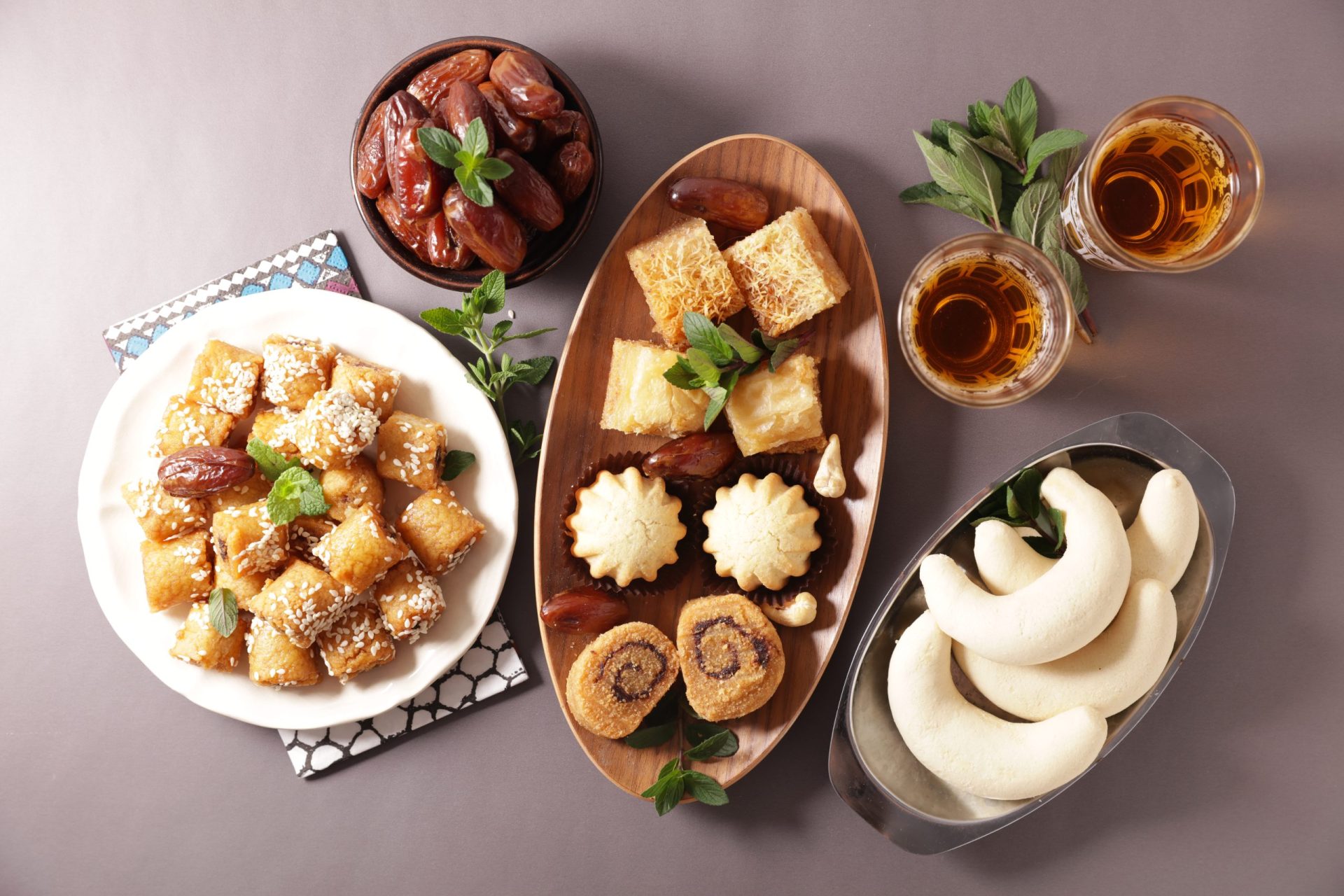
Ramadan is a month of fasting, spiritual reflection, and community gatherings. One of the highlights of this blessed month is Iftar, the meal that breaks the daily fast. Alongside savory foods, traditional sweet dishes hold a special place on the Iftar table. These desserts are not only delicious but also provide quick energy, nourishment, and a sense of celebration.
This blog explores traditional Ramadan sweet dishes, highlighting their flavors, cultural significance, and preparation tips for a delightful Iftar experience.
1. Dates and Stuffed Dates
Dates are the traditional sweet that initiates Iftar.
-
Simple Dates: Fresh dates are naturally sweet and nutrient-rich, providing fiber, potassium, and quick energy.
-
Stuffed Dates: Popular variations include dates stuffed with almonds, pistachios, walnuts, or cream cheese.
-
Benefits: Dates are easily digestible, help restore energy after fasting, and follow the Sunnah of Prophet Muhammad (PBUH).
Dates are often served with a glass of water or milk, offering a gentle start to the Iftar meal.
2. Sooji Halwa (Semolina Pudding)
Sooji Halwa is a classic South Asian dessert served widely during Ramadan.
-
Ingredients: Semolina (sooji), ghee, sugar, milk or water, and nuts such as cashews and almonds.
-
Preparation: Roast semolina in ghee, add sugar and milk or water, and cook until thickened. Garnish with nuts.
-
Why It’s Popular: Sweet, aromatic, and comforting, Sooji Halwa is easy to prepare in large quantities and ideal for family gatherings.
The dessert provides energy, protein, and essential fats, making it both delicious and nourishing.
3. Sheer Khurma
Sheer Khurma is a traditional Ramadan dessert originating from South Asia and the Middle East.
-
Ingredients: Vermicelli, milk, sugar, dates, and an assortment of nuts.
-
Preparation: Roast vermicelli lightly, boil it in milk, add sugar, chopped dates, and nuts. Simmer until creamy.
-
Benefits: Rich in protein, fiber, and natural sugars, this dessert replenishes energy and satisfies the sweet cravings after fasting.
Sheer Khurma is often served in small bowls as a ceremonial sweet, making it a festive favorite during Ramadan.
4. Baklava
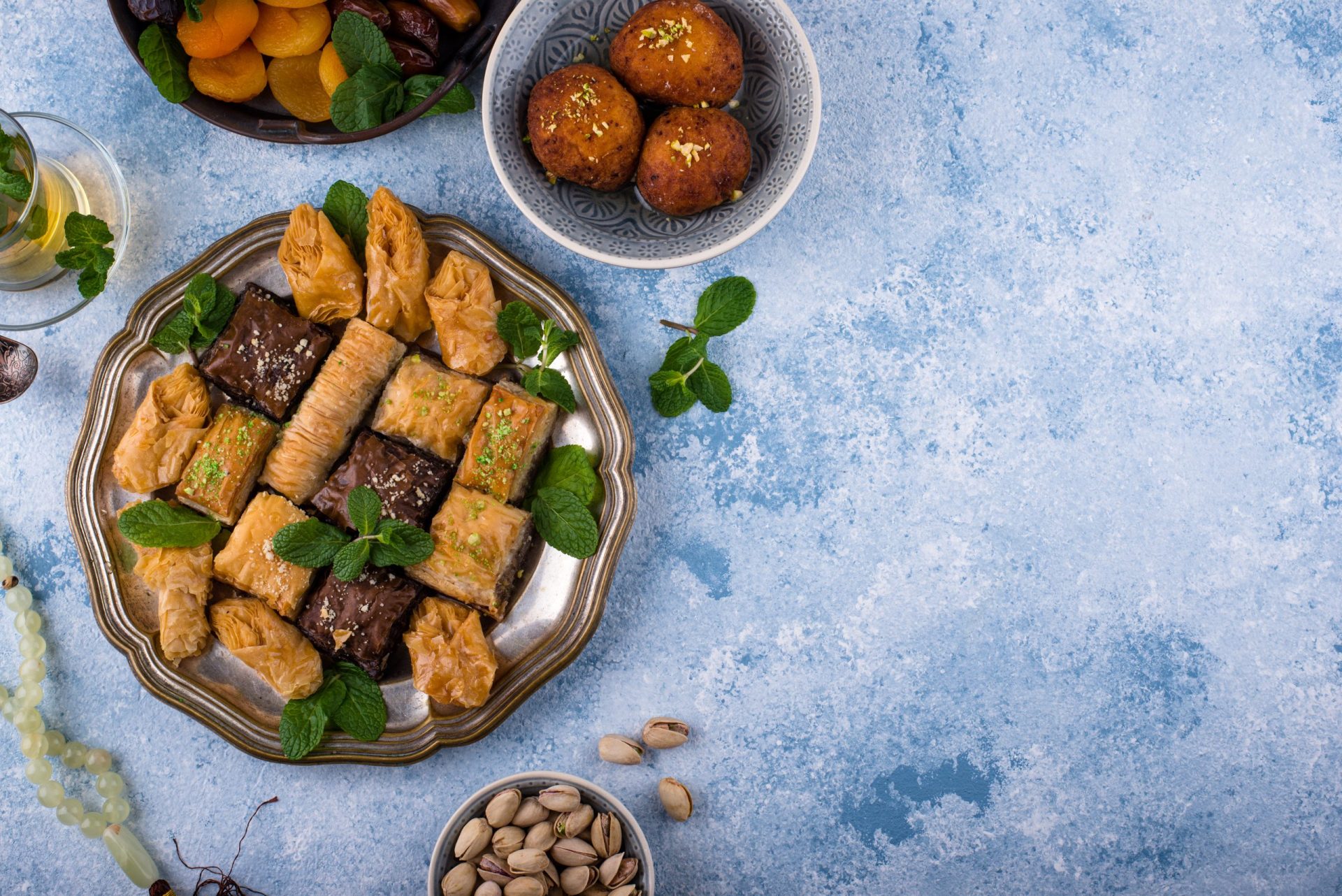
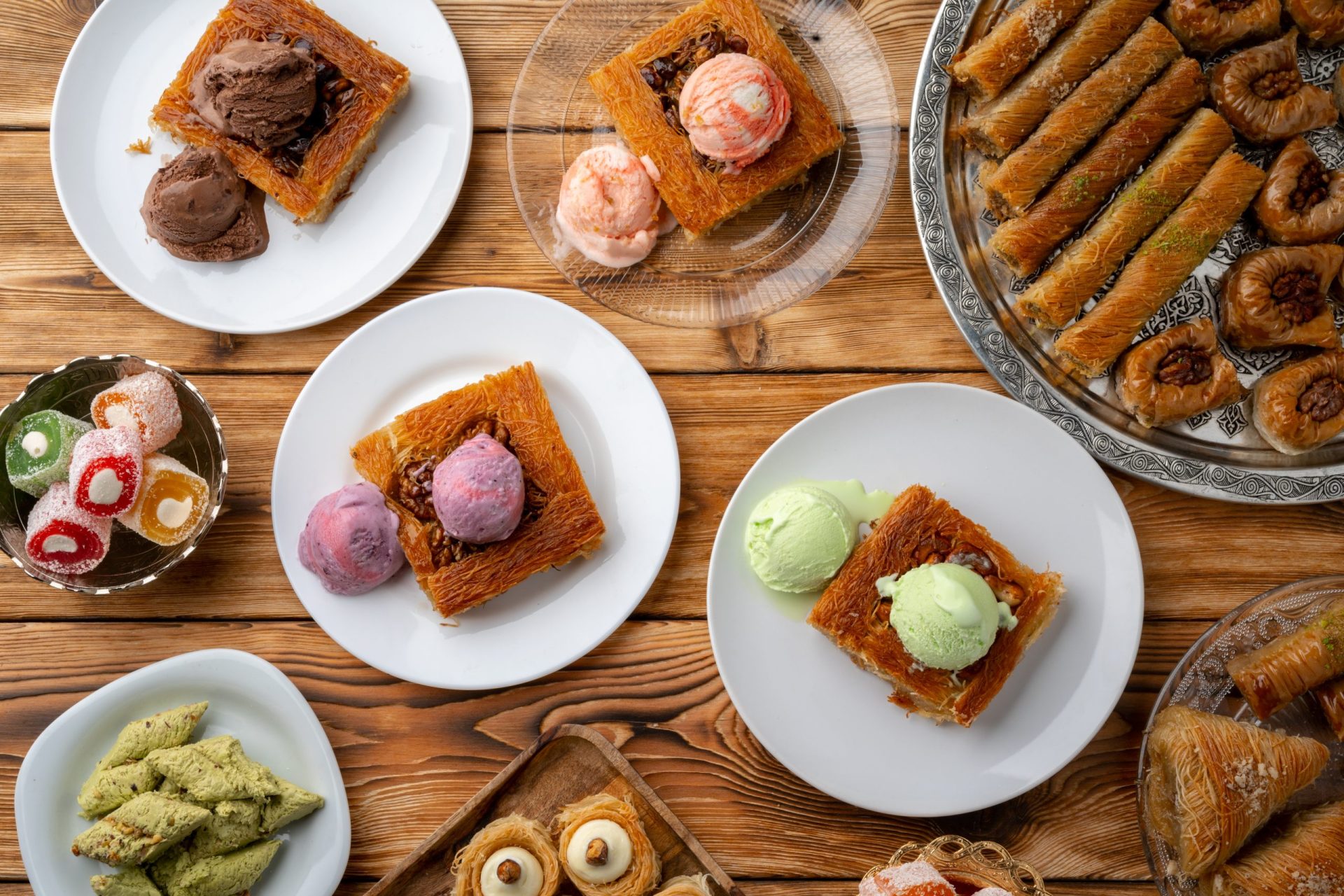
Baklava is a Middle Eastern pastry known for its flaky layers and nutty sweetness.
-
Ingredients: Filo dough, walnuts or pistachios, butter, and sugar syrup or honey.
-
Preparation: Layer filo sheets with butter and a nut mixture, bake until golden, and drizzle with syrup.
-
Why It’s Special: Baklava is crispy, sweet, and indulgent, often reserved for special occasions like Ramadan.
It combines texture, flavor, and visual appeal, making it a highlight on any Iftar table.
5. Kheer (Rice Pudding)
Kheer, or rice pudding, is a creamy and comforting dessert popular in South Asia.
-
Ingredients: Rice, milk, sugar, cardamom, and nuts like almonds or pistachios.
-
Preparation: Cook rice slowly in milk with sugar and spices until creamy, then garnish with nuts.
-
Benefits: Kheer provides protein and slow-releasing carbohydrates, offering a satisfying dessert after a long day of fasting.
It is often enjoyed warm or chilled, depending on preference.
6. Halwa Variations
Other halwa varieties include gajar halwa (carrot pudding) and moong dal halwa (lentil pudding).
-
Ingredients: Carrots, lentils, ghee, sugar, and nuts.
-
Preparation: Cook the main ingredient with ghee and milk or water, add sugar, and simmer until thickened. Garnish with nuts.
-
Benefits: Halwa is nutrient-rich, filling, and flavorful, providing energy and satisfaction after fasting.
These variations allow families to add diversity to their Ramadan dessert menu.
7. Fruit-Based Sweets
Fruits can be turned into light and refreshing desserts, balancing the richness of traditional sweets.
-
Options: Fruit chaat, fruit custard, or fruit salads with honey and nuts.
-
Benefits: High in vitamins, fiber, and natural sugars, they aid hydration and digestion while offering a lighter sweet option.
Fruit-based desserts are perfect for complementing heavier dishes like halwa or kheer.
Tips for Preparing Traditional Ramadan Sweets
-
Plan Ahead: Many desserts, such as Sheer Khurma, Sooji Halwa, and Baklava, can be prepared in advance.
-
Use Natural Sweeteners: Incorporate dates, honey, or fruits to reduce refined sugar.
-
Serve in Moderation: A small portion provides satisfaction without overindulgence.
-
Include Nutrients: Nuts, milk, and fruits add protein, fiber, and vitamins to the desserts.
-
Ensure Halal Ingredients: Always verify that chocolate, cream, or other ingredients are halal-certified.
Conclusion
Traditional Ramadan sweet dishes are an essential part of Iftar, combining taste, nutrition, and cultural heritage. From dates and stuffed dates to Sooji Halwa, Sheer Khurma, Kheer, Baklava, and fruit-based sweets, these desserts provide energy, nourishment, and joy after fasting.
Preparing these sweets at home or sharing them with family and friends enhances the spirit of Ramadan, offering both delicious treats and meaningful traditions. By focusing on nutritious, halal ingredients, you can enjoy sweet, satisfying, and energy-boosting desserts that make your Ramadan Iftar truly memorable.