




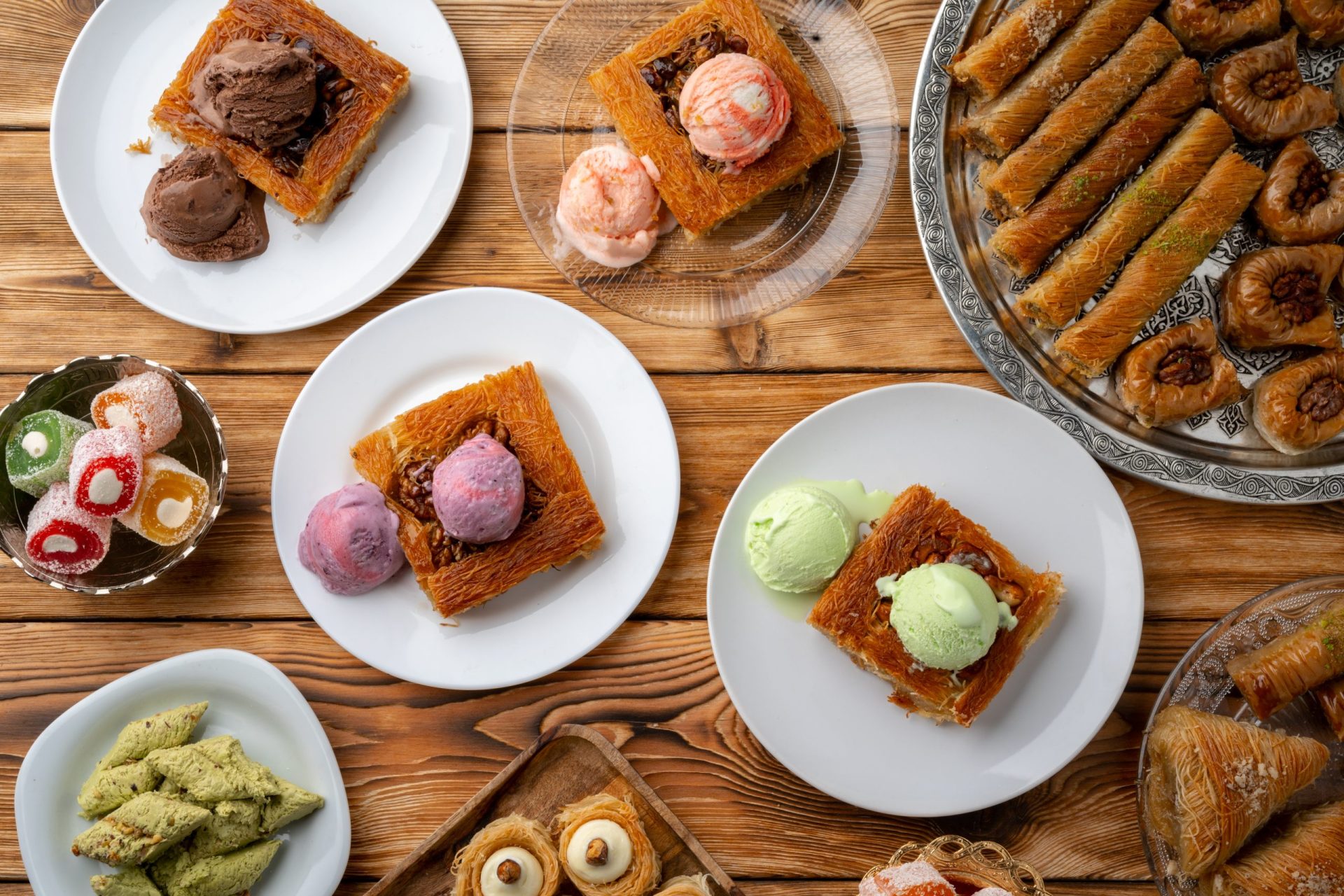
Ramadan is a time of fasting, reflection, and family gatherings. One of the most anticipated parts of the day is Iftar, and no Iftar table is complete without delicious halal desserts. These sweets not only satisfy cravings but also provide quick energy after a day of fasting, following halal dietary guidelines. From traditional classics to modern treats, halal desserts are a highlight of Ramadan celebrations.
This blog explores delicious halal desserts for Ramadan, offering ideas that are easy to prepare, nourishing, and perfect for sharing with family and friends.
1. Dates and Stuffed Dates
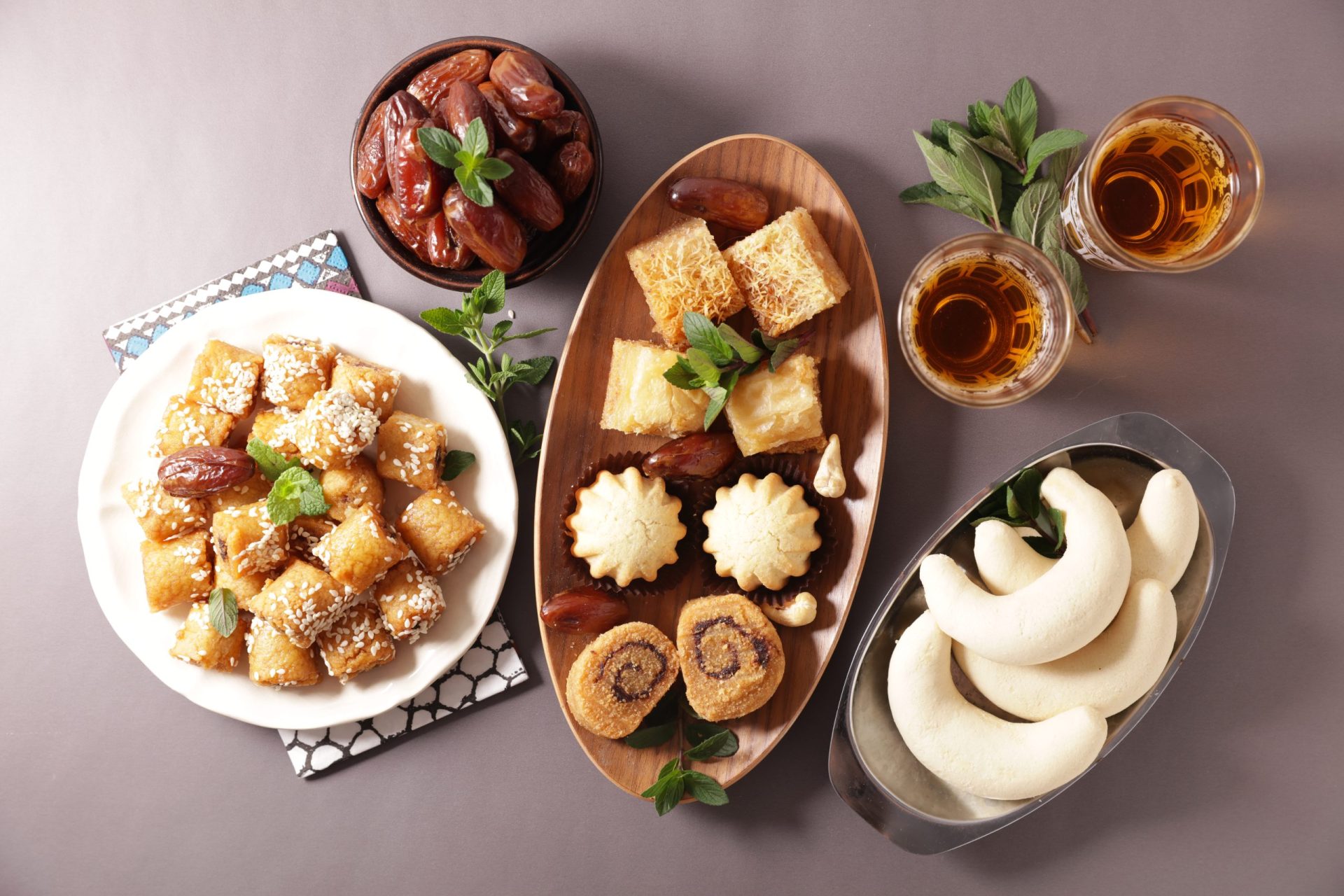
Dates are the traditional way to break the fast, and they can be turned into delightful desserts.
-
Simple Dates: Serve fresh dates as they are. They are rich in natural sugars, fiber, and minerals, making them an ideal energy-boosting treat.
-
Stuffed Dates: Fill dates with almonds, walnuts, pistachios, or cream cheese for a more indulgent option.
-
Benefits: Dates are easy to digest and provide a quick source of energy, helping the body recover after fasting.
2. Semolina Halwa (Sooji Halwa)
Sooji Halwa is a classic South Asian dessert enjoyed during Ramadan.
-
Ingredients: Semolina, ghee, sugar, water or milk, and nuts like almonds and cashews.
-
Preparation: Roast semolina in ghee, add sugar and water or milk, and cook until it thickens. Garnish with nuts.
-
Why It’s Popular: Sweet, aromatic, and rich, it is a comforting dessert that is easy to prepare in bulk for family gatherings.
3. Sheer Khurma
Sheer Khurma is a traditional Ramadan dessert in South Asia and the Middle East.
-
Ingredients: Vermicelli, milk, sugar, dates, and mixed dry fruits.
-
Preparation: Roast vermicelli lightly, boil in milk, add sugar, chopped dates, and nuts. Simmer until creamy.
-
Benefits: This dessert is nutrient-rich and energy-dense, providing protein, fiber, and natural sugars after fasting.
4. Baklava
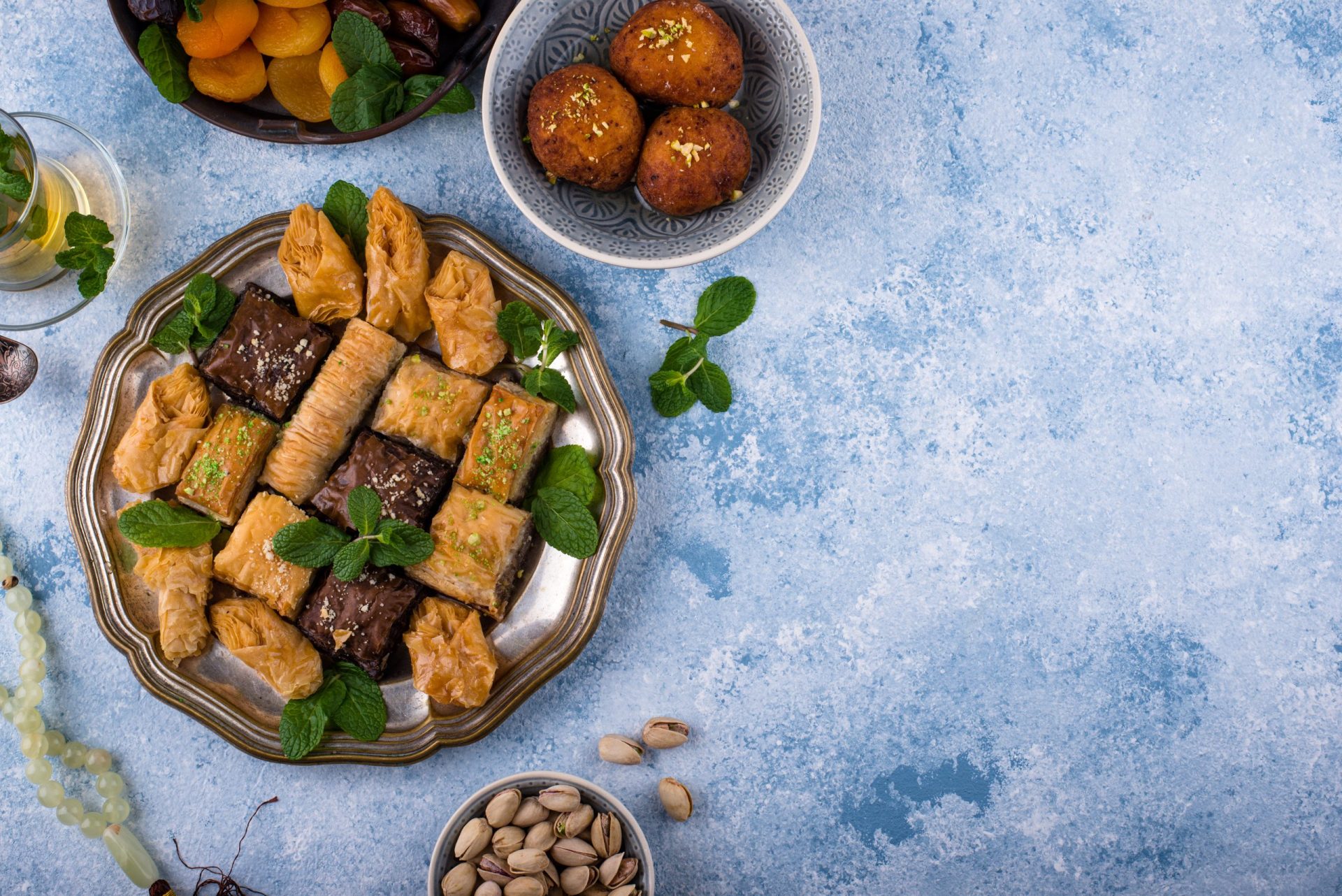
Baklava is a Middle Eastern sweet pastry made with layers of filo dough, nuts, and honey.
-
Ingredients: Filo pastry, walnuts or pistachios, butter, and honey or sugar syrup.
-
Preparation: Layer filo sheets with butter and nut mixture, bake until golden, and drizzle with syrup.
-
Why It’s Special: Baklava is crispy, sweet, and rich, making it a luxurious treat for Iftar.
5. Rice Pudding (Kheer)
Rice pudding, or kheer, is a classic halal dessert that is creamy and satisfying.
-
Ingredients: Rice, milk, sugar, cardamom, and nuts like almonds and pistachios.
-
Preparation: Cook rice in milk with sugar and spices until soft and creamy. Garnish with chopped nuts.
-
Benefits: Provides protein and slow-releasing carbohydrates, making it a comforting dessert after fasting.
6. Chocolate-Based Desserts
Chocolate desserts are modern favorites during Ramadan and can be made halal-friendly.
-
Options: Halal chocolate brownies, chocolate mousse, chocolate truffles, or chocolate-dipped dates.
-
Ingredients: Ensure all chocolate and cream used are halal-certified.
-
Benefits: Chocolate provides quick energy and indulgence, perfect for a sweet ending to Iftar.
7. Fruit-Based Desserts
Light and refreshing desserts made with fruits are perfect for balancing the richness of other sweets.
-
Options: Fruit custard, fruit salad with honey and nuts, or layered yogurt parfaits with fresh fruits.
-
Benefits: High in vitamins, fiber, and natural sugars, they provide hydration and nourishment after fasting.
Fruit-based desserts are lighter and easier to digest, making them a great complement to heavier desserts like halwa or baklava.
Tips for Preparing Halal Desserts for Ramadan
-
Plan Ahead: Many desserts like Sooji Halwa, Sheer Khurma, and Baklava can be prepared ahead of time for convenience.
-
Use Natural Sweeteners: Dates, honey, and fruits can reduce the need for refined sugar.
-
Balance Portions: Since many Ramadan meals are already rich, serve small portions to enjoy desserts without overindulging.
-
Focus on Nutrition: Include nuts, milk, and fruits to add protein, fiber, and vitamins to your desserts.
-
Ensure Halal Ingredients: Always check that chocolate, cream, and other ingredients are halal-certified.
Conclusion
Halal desserts for Ramadan are delicious, energizing, and culturally significant, making them an integral part of Iftar celebrations. From traditional favorites like dates, Sooji Halwa, Sheer Khurma, and Kheer to modern delights like halal chocolate desserts and fruit parfaits, there is a wide variety of options to suit every taste.
By preparing these nutritious and satisfying desserts, families can enjoy sweet treats that replenish energy, adhere to halal guidelines, and bring joy to Ramadan gatherings. Whether you prefer rich, indulgent desserts or lighter fruit-based options, these halal desserts are perfect for creating memorable Iftar experiences.