


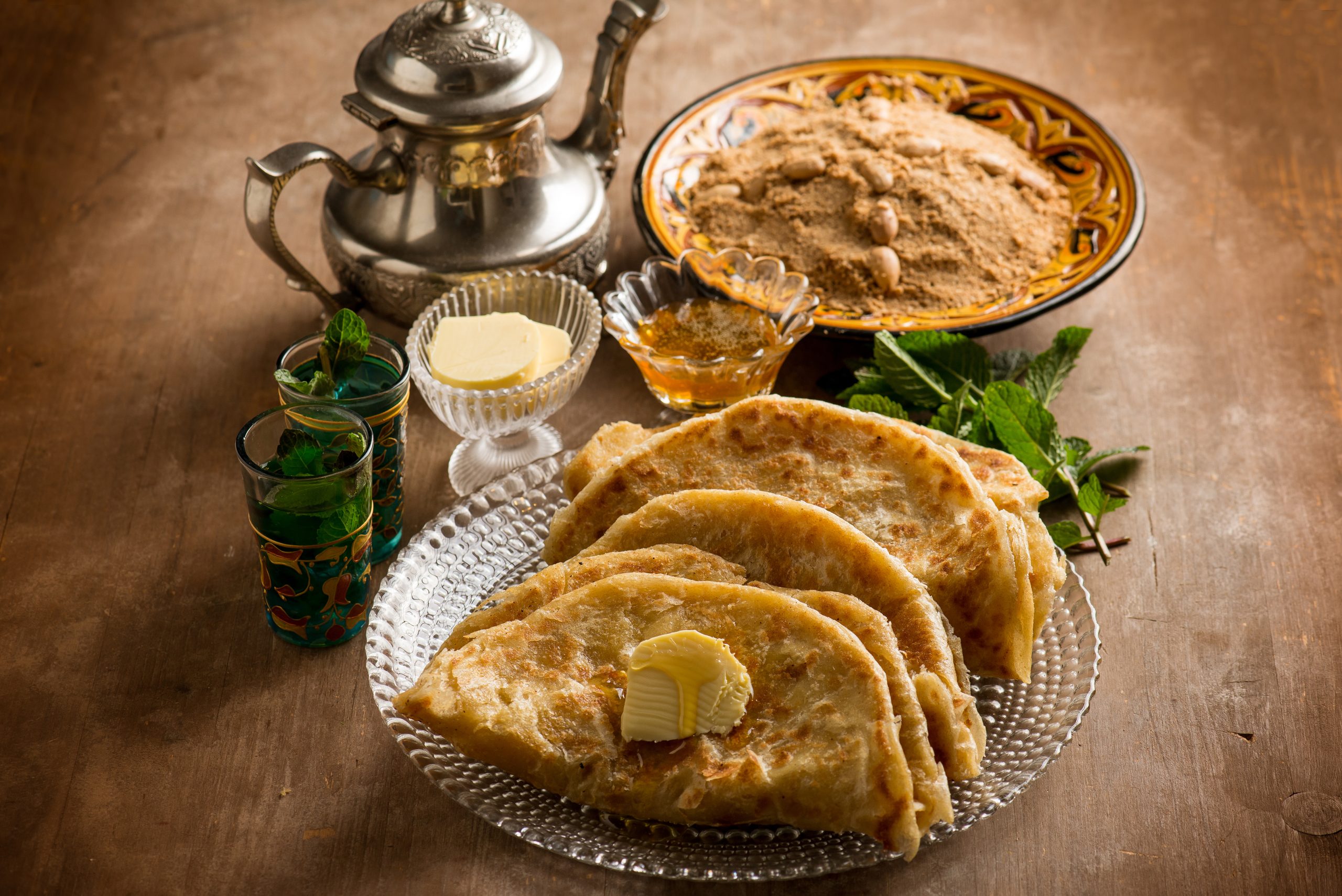
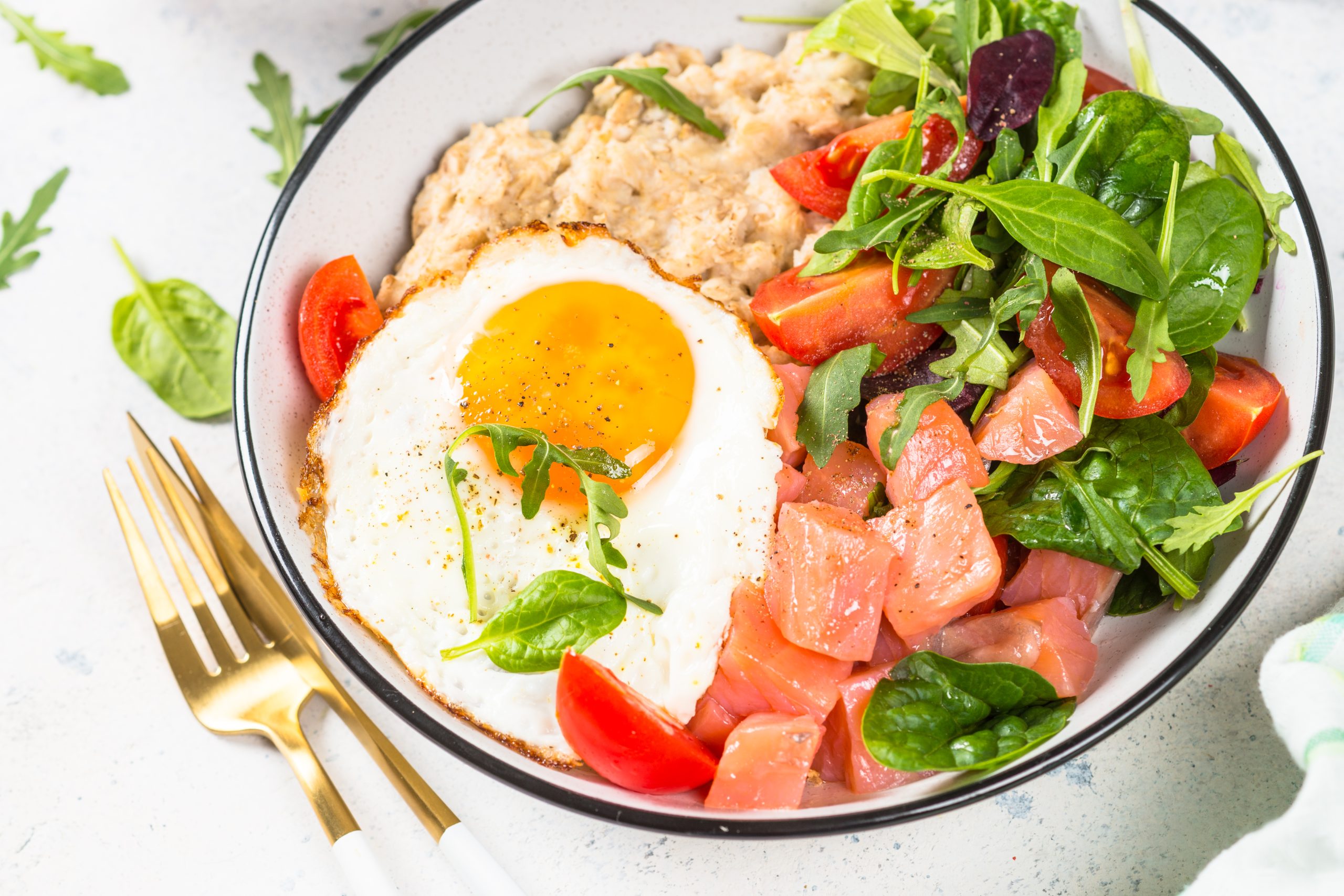

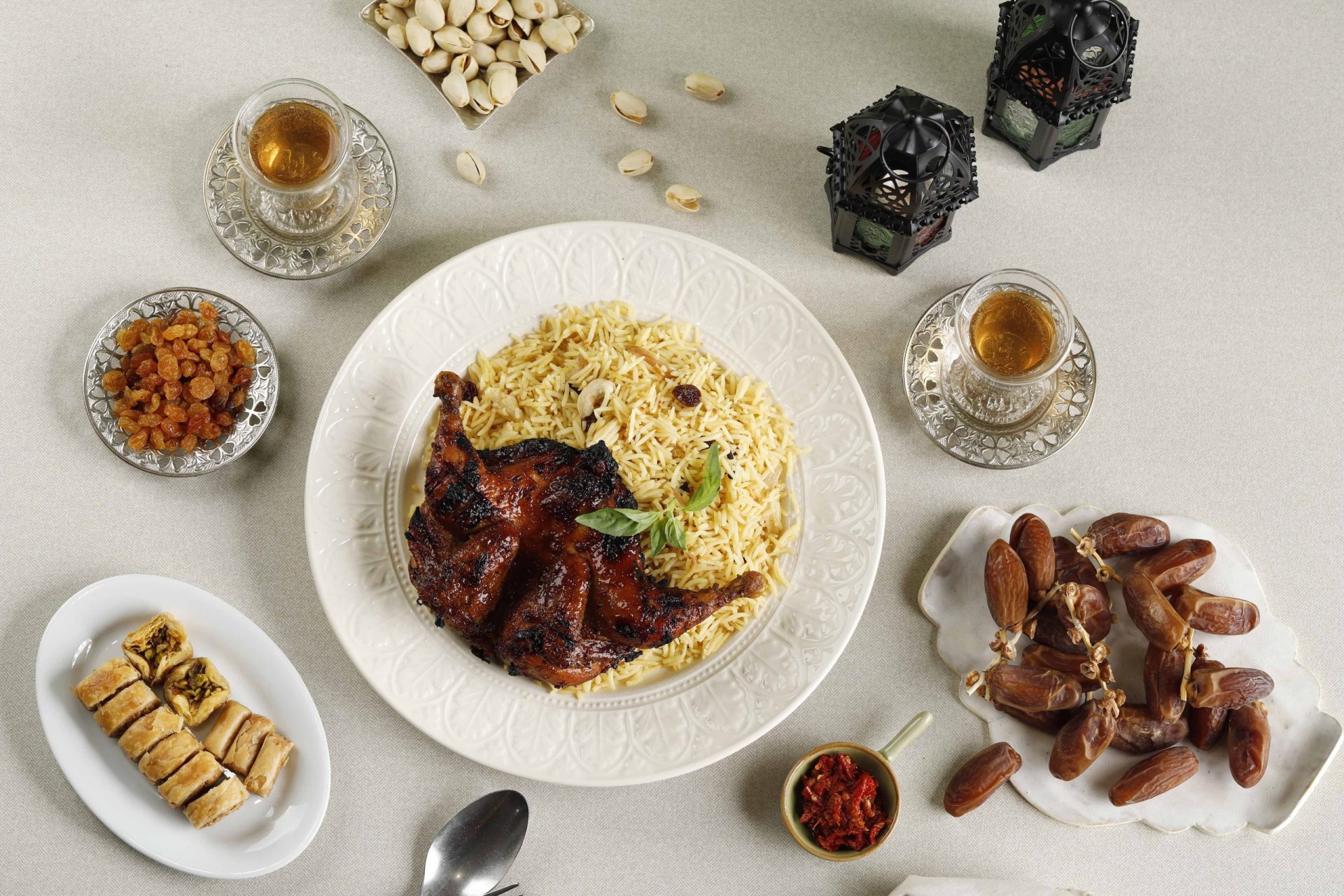
Ramadan is a sacred month of fasting, reflection, and community for Muslims around the world. One of the highlights of this holy month is Iftar, the meal that breaks the daily fast at sunset. While Iftar can be simple, it is often celebrated with traditional dishes that are both nourishing and flavorful. These dishes not only provide energy after a day of fasting but also reflect cultural heritage, regional flavors, and halal practices.
This blog explores some of the most popular traditional Ramadan Iftar dishes, perfect for families and gatherings during this blessed month.
1. Dates and Fresh Fruit
Breaking the fast traditionally begins with dates and fresh fruit.
-
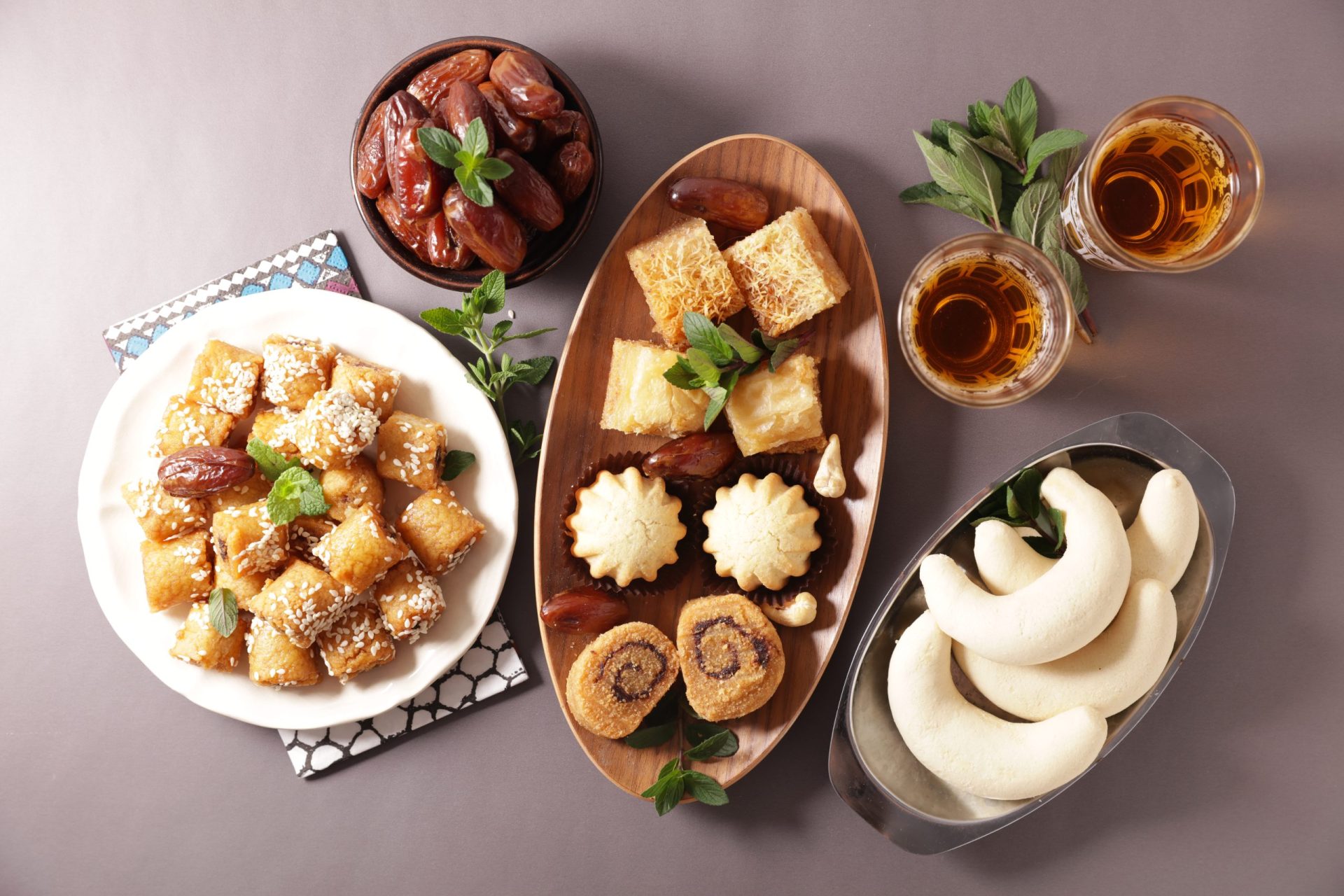
Why Dates: Dates are rich in natural sugars, fiber, and minerals like potassium, helping restore energy quickly.
-
Serving: Typically, 2–3 dates per person are served with water or milk. Some families enjoy stuffed dates with nuts or honey for variety.
-
Benefits: Dates are easy to digest and follow the Sunnah of Prophet Muhammad (PBUH), preparing the stomach for the main meal.
Fresh fruits like watermelon, oranges, and grapes add hydration and essential vitamins, making them a healthy start to Iftar.
2. Lentil Soup (Dal Soup)
Lentil soup is a comforting and nutritious starter for Iftar.
-
Ingredients: Red or yellow lentils, onions, garlic, cumin, turmeric, and vegetable broth.
-
Preparation: Sauté onions and garlic, add lentils and broth, simmer until soft, and optionally blend for a creamy texture.
-
Serving: Garnish with fresh herbs like cilantro and a squeeze of lemon.
Lentil soup is high in protein and fiber, providing a gentle yet effective way to replenish energy after fasting.
3. Samosas and Pakoras
Samosas and pakoras are classic South Asian Iftar snacks that bring flavor and satisfaction.
-
Samosas: Pastry filled with potatoes, peas, or halal meat, deep-fried until golden.
-
Pakoras: Vegetables like onions, potatoes, or spinach coated in chickpea flour and fried.
-
Serving Tips: Serve with mint chutney or tamarind sauce for extra taste.
-
Healthier Alternatives: Baking instead of frying reduces oil content, creating a lighter option.
These crispy, savory snacks are quick to eat and perfect for energizing the body before heavier dishes.
4. Chicken or Beef Biryani
Biryani is a hearty and aromatic rice dish that is a centerpiece of many Iftar tables.
-
Ingredients: Halal chicken, beef, or lamb, basmati rice, onions, garlic, ginger, yogurt, saffron, and a blend of spices.
-
Preparation:
-
Marinate the meat in yogurt and spices.
-
Cook rice separately.
-
Layer meat and rice, cook on low heat, and allow flavors to meld.
-
-
Serving: Accompany with raita, salad, or boiled eggs.
Biryani is rich, filling, and full of flavor, making it ideal for regaining energy after a long fast.
5. Haleem
Haleem is a slow-cooked stew popular in South Asia and the Middle East during Ramadan.
-
Ingredients: Wheat, lentils, and halal meat (chicken, beef, or lamb), cooked with spices.
-
Preparation: Simmer for several hours until a thick, porridge-like consistency is achieved.
-
Serving: Garnish with fried onions, lemon, and fresh herbs.
Haleem is nutrient-dense, protein-rich, and easy on the stomach, perfect for Iftar meals.
6. Kebabs and Grilled Meats
Kebabs are flavorful, protein-packed dishes commonly served at Iftar.
-
Types: Seekh kebabs (minced meat skewers), Shami kebabs (fried patties), and grilled chicken or lamb kebabs.
-
Preparation: Marinate meat in spices, herbs, and yogurt, then grill or pan-cook.
-
Serving: Often accompanied by naan, pita, or salad.
Grilled meats provide high-quality protein, essential for restoring strength after fasting.
7. Refreshing Drinks
Hydration is critical during Iftar, and traditional drinks help replenish fluids and nutrients:
-
Rooh Afza or Fruit Syrups: Sweet, cooling drinks popular in South Asia.
-
Lemon Mint Juice: Lemon juice mixed with fresh mint, water, and a touch of sugar.
-
Yogurt Drinks (Lassi): Sweet or salted, often flavored with cardamom or rose water.
These beverages are hydrating, flavorful, and easy to digest, helping the body recover after fasting.
8. Traditional Desserts
Desserts are an integral part of Ramadan Iftar:
-
Sooji Halwa (Semolina Pudding): Made with ghee, sugar, and nuts.
-
Sheer Khurma: Vermicelli pudding with milk, dates, and dry fruits.
-
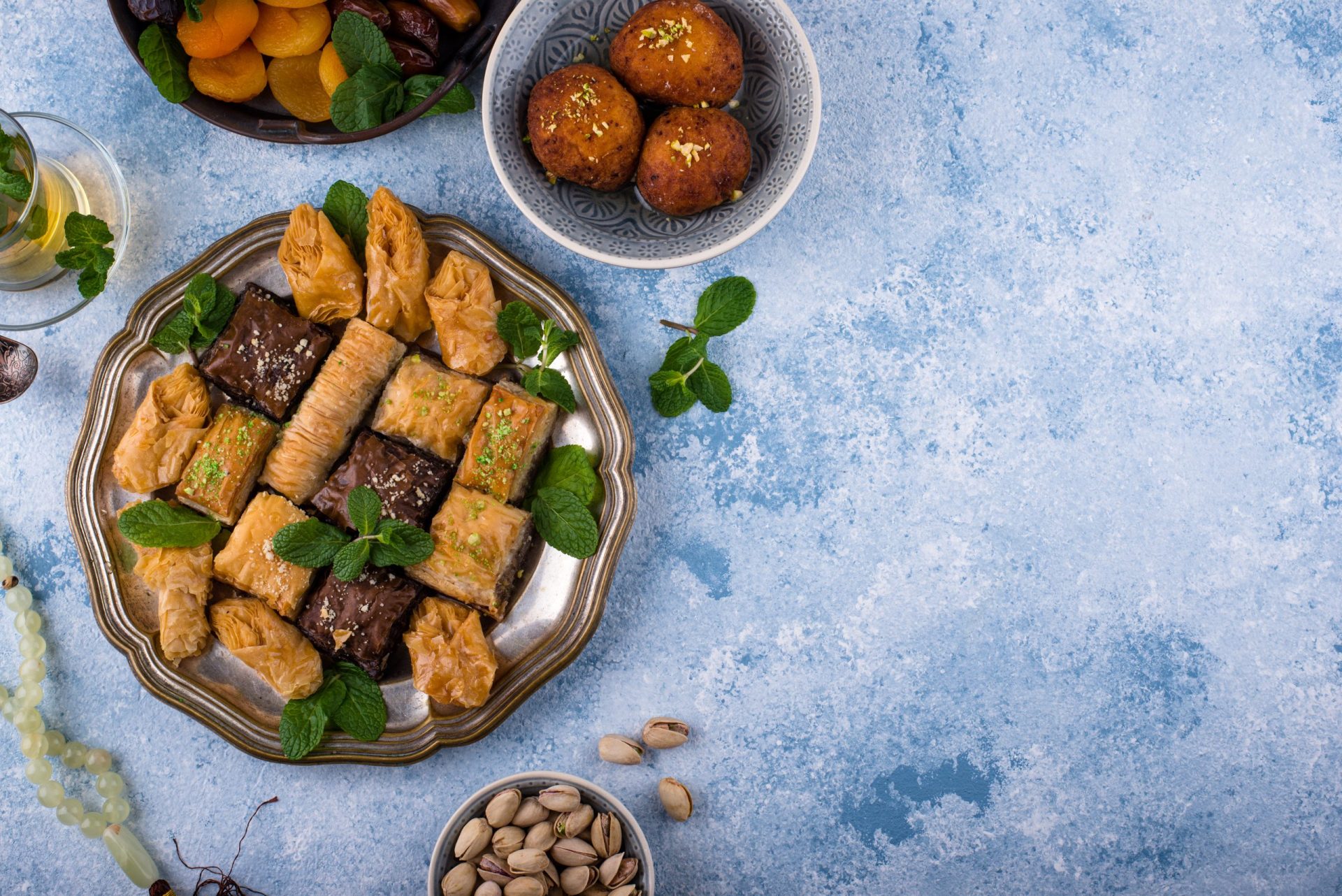
Baklava or Sweet Pastries: Halal-certified desserts from Middle Eastern cuisines.
These sweets provide a quick energy boost and are often enjoyed in small portions alongside tea or coffee.
Tips for Preparing Traditional Iftar Dishes
-
Start Light: Begin with dates, fruits, and soup before heavier meals.
-
Balance Nutrition: Include protein, fiber, and hydration in every meal.
-
Plan Ahead: Prep ingredients in advance to save time.
-
Moderation is Key: Enjoy all dishes in balanced portions to avoid overeating.
Conclusion
Traditional Ramadan Iftar dishes are a perfect blend of taste, culture, and nourishment. From dates and fresh fruits to lentil soups, samosas, biryani, haleem, kebabs, and sweet desserts, each dish provides energy, nutrients, and satisfaction after a day of fasting. By incorporating these easy-to-prepare halal dishes, families can enjoy a meaningful, flavorful, and spiritually fulfilling Iftar during the blessed month of Ramadan.