




The Middle East is famous for its rich culinary heritage, and desserts play a central role in this tradition. Middle Eastern halal desserts combine sweet, nutty, and aromatic flavors that have been perfected over centuries. These sweets are not only delicious but also adhere to halal dietary guidelines, making them suitable for everyone who follows Islamic dietary laws.
In this blog, we will explore popular Middle Eastern halal desserts, their unique ingredients, and why they remain beloved around the world.
Why Middle Eastern Desserts Are Special
Middle Eastern desserts are often characterized by their use of natural sweeteners like sugar, honey, or dates, aromatic spices such as cardamom, cinnamon, and rose or orange blossom water, and nuts like pistachios, almonds, and walnuts. These ingredients create a perfect balance of flavors and textures—from crispy and flaky to soft and syrupy.
Halal desserts ensure that all ingredients comply with Islamic dietary laws, making them suitable for religious occasions, family gatherings, and festive celebrations.
1. Baklava
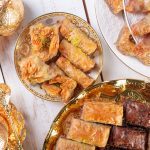
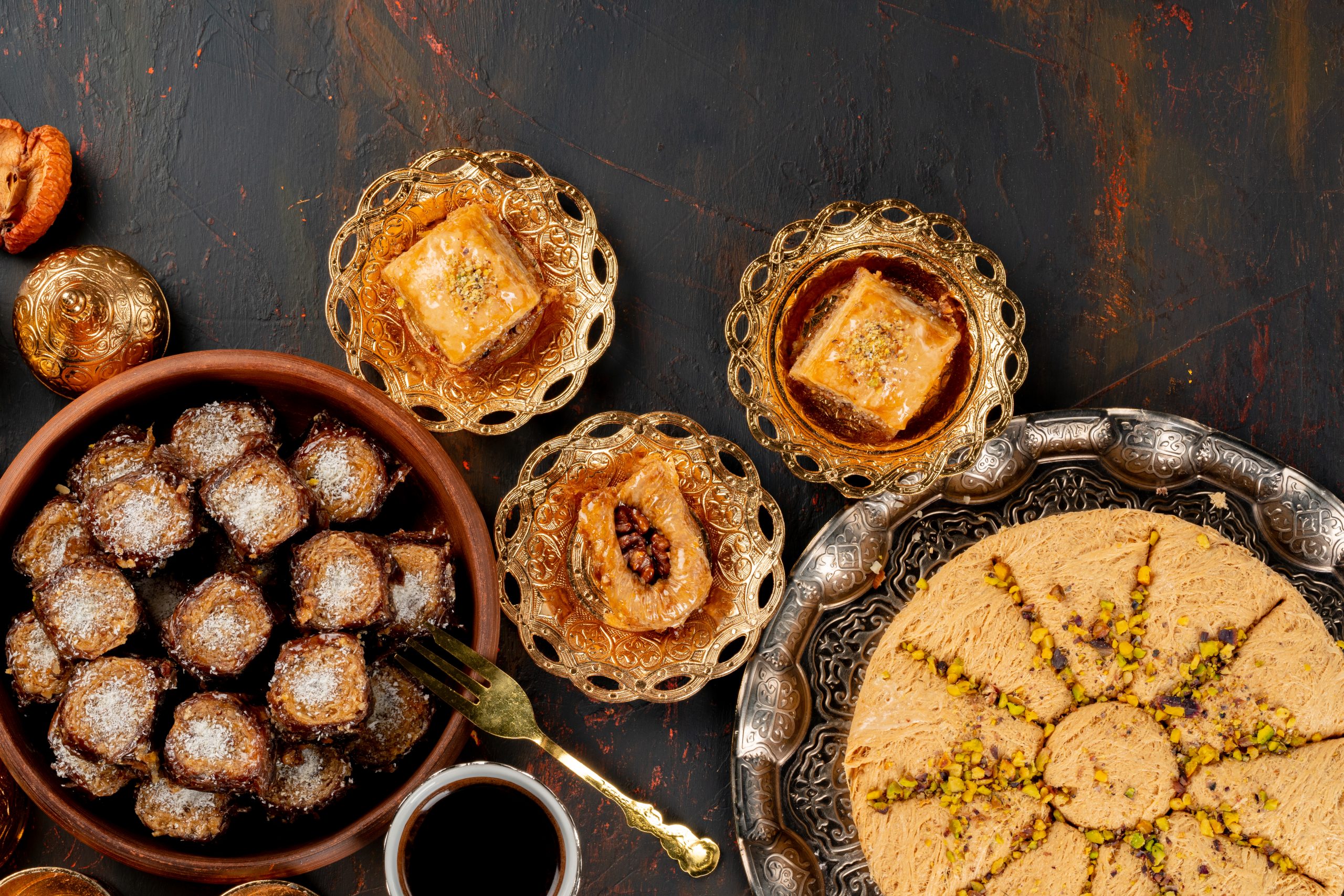
Baklava is one of the most iconic Middle Eastern desserts. Made from layers of thin phyllo dough, butter, and nuts such as pistachios, walnuts, or almonds, it is baked until golden and then soaked in a fragrant sugar or honey syrup.
Originating in Turkey and widely popular across the Middle East, baklava is often served during special occasions like Eid and weddings. Its crisp layers combined with sweet syrup make it a rich and indulgent halal treat.
2. Maamoul
Maamoul are traditional shortbread cookies filled with dates, pistachios, or walnuts. They are commonly molded into decorative shapes using wooden or plastic molds, giving them a beautiful and festive appearance.
Maamoul is often enjoyed during Eid al-Fitr and Eid al-Adha, and they are a popular gift during celebrations. Their lightly sweet flavor makes them a delightful accompaniment to coffee or tea.
3. Knafeh
Knafeh is a warm, indulgent dessert made from shredded phyllo dough or semolina, sweet cheese, and sugar syrup, often topped with crushed pistachios. It is particularly popular in Lebanon, Palestine, and Turkey.
The combination of crispy pastry, creamy cheese, and syrup creates a unique texture that is both satisfying and aromatic. Knafeh is typically served at special gatherings or as a treat during Ramadan.
4. Qatayef
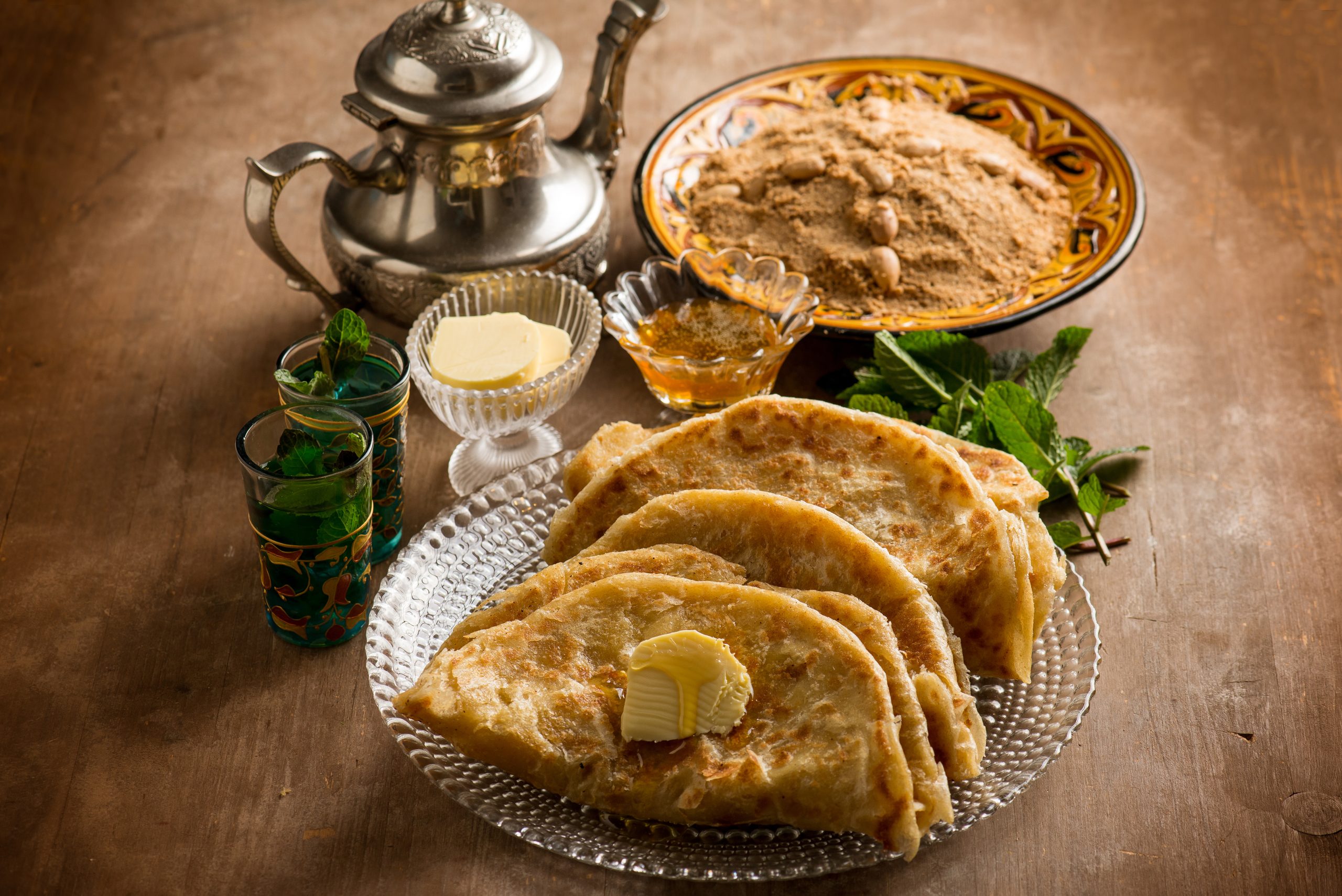
Qatayef are stuffed pancakes traditionally served during Ramadan. These half-moon-shaped pancakes are filled with sweet cheese, nuts, or cream, then fried or baked and drizzled with syrup.
This dessert is a festive staple during the holy month and is enjoyed for breaking the fast. Qatayef is both filling and flavorful, offering a delightful mix of textures and sweetness.
5. Basbousa
Basbousa, also known as Hareeseh, is a semolina cake soaked in syrup and flavored with rose or orange blossom water. It is popular in Egypt, Lebanon, and other parts of the Levant.
This dessert has a soft, moist texture with a lightly sweet taste, often garnished with almonds or coconut flakes. Basbousa is perfect for those who enjoy a simple yet satisfying sweet treat.
6. Halawet El Jibn
Halawet El Jibn, or “sweet cheese rolls,” are made from soft cheese dough filled with semolina cream or clotted cream, then drizzled with sugar syrup and topped with pistachios. This dessert is especially popular in Syria and Lebanon.
The combination of soft cheese, creamy filling, and crunchy pistachios makes it a luxurious halal dessert enjoyed during celebrations and family gatherings.
7. Turkish Delight (Lokum)
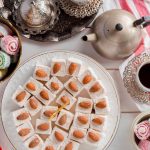
Turkish Delight is a chewy, fragrant candy made from sugar, starch, and flavorings such as rose, lemon, or pistachio. Coated in powdered sugar, these bite-sized sweets are light, aromatic, and perfect for snacking.
Often served with coffee or tea, Turkish Delight is a classic Middle Eastern treat that showcases the region’s love for delicate, halal sweets.
Tips for Enjoying Middle Eastern Halal Desserts
-
Moderation: Many desserts are rich and syrupy, so small portions are ideal.
-
Halal Ingredients: Ensure all dairy, nuts, and sugar syrups are halal-certified.
-
Pair with Beverages: Coffee, tea, or herbal infusions complement the sweetness of these desserts.
-
Explore Variety: Try desserts from different Middle Eastern countries to experience unique flavors.
Conclusion
Middle Eastern halal desserts offer a unique blend of sweet, nutty, and aromatic flavors, making them some of the most celebrated sweets in the world. From baklava, maamoul, knafeh, qatayef, basbousa, halawet el jibn, to Turkish Delight, these desserts are rich in history, culture, and taste.
Enjoying these traditional treats in moderation allows you to experience the heritage and flavors of the Middle East while adhering to halal dietary laws. Whether for festivals, family gatherings, or everyday indulgence, these desserts continue to captivate dessert lovers across the globe.