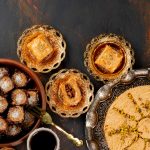




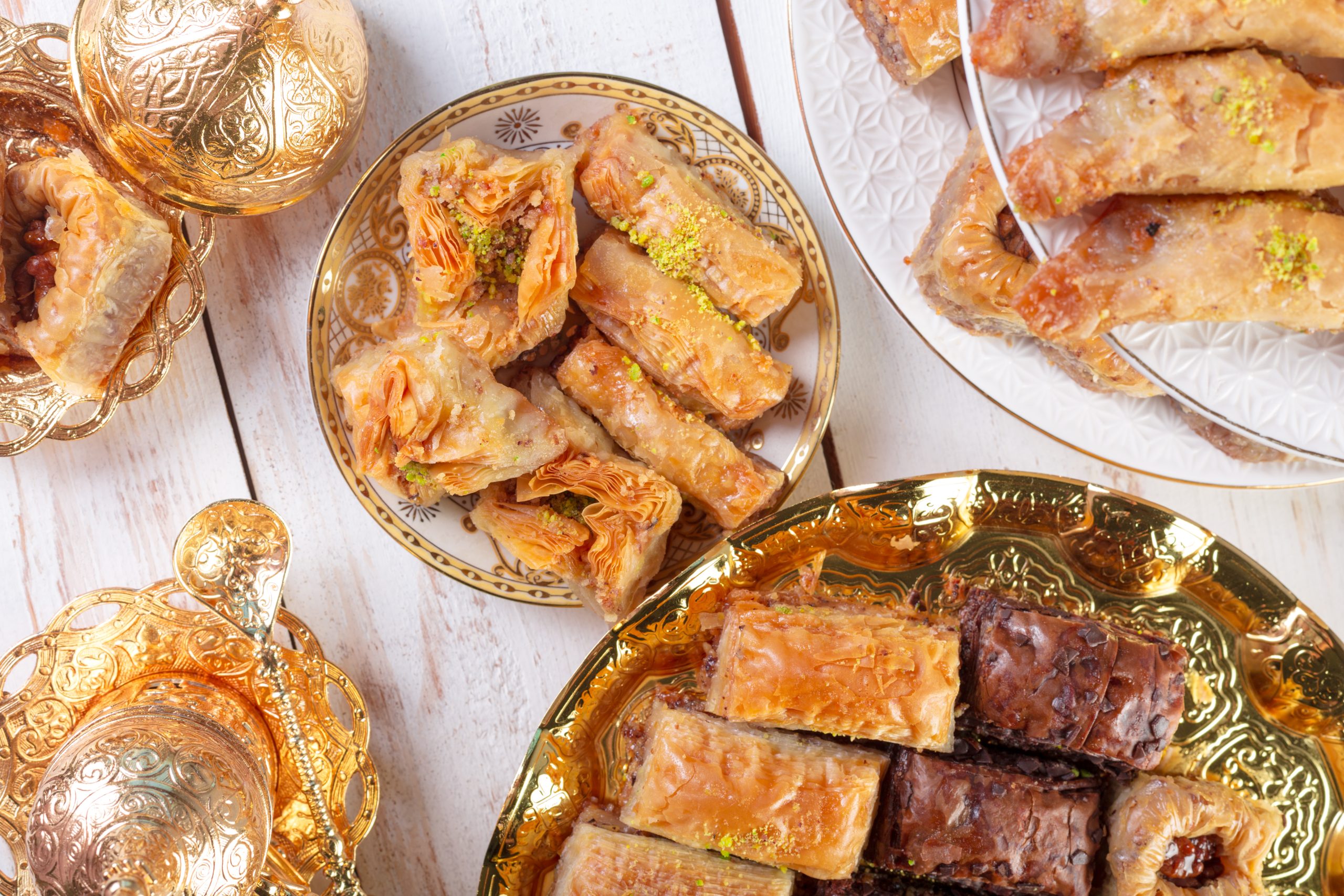
Pakistan has a rich tradition of halal sweets that are enjoyed across generations, festivals, and family gatherings. These desserts reflect the country’s diverse culture, combining fragrant spices, rich dairy, and natural sweeteners to create unforgettable flavors. From syrup-soaked treats to creamy confections, Pakistani sweets are not just desserts—they are an integral part of celebrations and hospitality.
In this blog, we will explore classic Pakistani halal sweet recipes, their unique ingredients, and why they continue to delight dessert lovers.
Why Pakistani Sweets Are Special
Pakistani sweets often use halal-certified ingredients like milk, sugar, nuts, ghee, and natural flavorings such as cardamom, saffron, and rose water. Many of these sweets have been passed down through generations, retaining traditional cooking methods while celebrating cultural heritage.
These desserts are commonly served during Eid, weddings, and family gatherings, making them a symbol of joy, hospitality, and festivity.
1. Gulab Jamun
Gulab Jamun is one of the most iconic Pakistani sweets. Soft, round dumplings are made from khoya (milk solids) or milk powder, mixed with a little flour, deep-fried until golden, and soaked in fragrant sugar syrup flavored with rose water or cardamom.
Gulab Jamun is enjoyed during Eid, weddings, and special occasions, offering a melt-in-the-mouth texture and a rich, sweet flavor that is loved by children and adults alike.
2. Jalebi
Jalebi is a crispy, syrupy sweet made from a fermented batter of flour and yogurt, which is deep-fried into intricate spiral shapes and soaked in sugar syrup.
Popular during Ramadan and festivals, jalebi is enjoyed hot for breakfast or as a dessert. Its crunchy exterior combined with the sticky sweetness of syrup makes it an irresistible halal treat.
3. Barfi
Barfi is a dense, fudge-like sweet made from khoya, sugar, and ghee, often flavored with cardamom, saffron, or rose water. It can also include chopped nuts like almonds, pistachios, or cashews for added texture.
This versatile sweet is cut into squares or diamonds and is commonly served during festivals and family gatherings. Its rich texture and fragrant flavor make it a classic in Pakistani households.
4. Ras Malai
Ras Malai is a creamy dessert consisting of soft, flattened cheese balls soaked in sweetened, flavored milk. The milk is typically infused with cardamom, saffron, and sometimes rose water, while the cheese balls are garnished with slivered almonds or pistachios.
This sweet is popular at weddings and special celebrations, offering a light yet indulgent flavor that melts in your mouth.
5. Laddu
Laddu is a round, ball-shaped sweet made from gram flour (besan), sugar, and ghee, often flavored with cardamom or saffron. It can also be made from coconut, semolina, or dates, depending on regional variations.
Laddu is widely served during religious festivals, Eid, and family celebrations. Its soft, crumbly texture and rich sweetness make it a staple halal sweet in Pakistani homes.
6. Kheer
Kheer is a traditional rice pudding made from rice, milk, sugar, and aromatic spices such as cardamom, saffron, and sometimes rose water. It is garnished with nuts like almonds, pistachios, or cashews.
This dessert is served during festivals, religious occasions, and weddings. Kheer is creamy, mildly sweet, and comforting, making it one of Pakistan’s most cherished halal desserts.
7. Sewaiyan (Vermicelli Pudding)
Sewaiyan is a sweet vermicelli pudding made from thin wheat noodles, milk, sugar, and ghee, flavored with cardamom and topped with nuts. It is especially popular during Eid-ul-Fitr, symbolizing festivity and celebration.
Sewaiyan can be served warm or chilled and is a perfect blend of creamy texture and aromatic flavors.
Tips for Preparing Pakistani Halal Sweets
-
Use Fresh, Halal Ingredients: Ensure milk, ghee, and nuts are halal-certified.
-
Balance Sweetness: Traditional sweets are often syrupy, so adjust sugar according to taste.
-
Flavor with Spices: Cardamom, saffron, and rose water enhance aroma and authenticity.
-
Serve Fresh: Some sweets like jalebi and gulab jamun are best enjoyed warm.
-
Presentation Matters: Garnish with chopped nuts or edible silver leaf (varq) for a festive touch.
Conclusion
Classic Pakistani halal sweets showcase the country’s rich culinary heritage, aromatic flavors, and festive traditions. From gulab jamun, jalebi, barfi, ras malai, laddu, kheer, to sewaiyan, each dessert tells a story of culture, celebration, and family bonding.
By using halal-certified ingredients, authentic flavors, and traditional methods, these sweets remain an essential part of Pakistani celebrations. They are perfect for festivals, weddings, or simply enjoying a sweet moment with family and friends. Classic Pakistani sweets are not just desserts—they are a celebration of flavor, culture, and tradition.