




For anyone following Islamic dietary laws, identifying halal food ingredients is essential. Halal, meaning “permissible” in Arabic, refers to foods that comply with Islamic law. While some ingredients are obviously halal, others can be hidden or processed in ways that make them non-halal. Knowing how to identify halal food ingredients ensures your meals are safe, wholesome, and compliant.
This blog will guide you through practical steps, tips, and examples to identify halal ingredients confidently, whether you’re cooking at home, shopping for groceries, or dining out.
Why It’s Important to Identify Halal Ingredients
Understanding how to identify halal ingredients is important because:
-
Ensures Compliance with Islamic Law: Avoids consumption of forbidden (haram) items like pork or alcohol.
-
Prevents Accidental Contamination: Helps in maintaining separate utensils and cooking surfaces for halal foods.
-
Promotes Healthier Choices: Halal food often emphasizes cleanliness, quality, and wholesome preparation.
-
Increases Confidence: Knowing what to look for simplifies cooking, grocery shopping, and meal planning.
By learning to identify halal ingredients, you can enjoy meals with peace of mind.
1. Understand What Is Considered Haram
Before identifying halal ingredients, it’s important to know what is forbidden (haram) in food:
-
Pork and Pork Products: Includes bacon, ham, gelatin from pork, lard, and certain sausages.
-
Alcohol: Beverages, extracts, or ingredients containing alcohol (e.g., some vanilla extracts).
-
Non-Halal Meat: Animals not slaughtered according to halal laws, including meat from carnivorous animals.
-
Blood and Blood Products: Items containing animal blood are haram.
-
Improperly Processed Gelatin: Gelatin derived from non-halal sources.
Tip: Avoid foods with ambiguous ingredients unless they are halal-certified.
2. Look for Halal Certification
One of the simplest ways to identify halal ingredients is to look for a recognized halal certification:
-
Halal Logos: Most countries have official halal certification bodies that approve foods, meat, and processed products.
-
Trusted Labels: Products labeled “100% Halal” or “Halal Certified” indicate compliance.
-
Regional Certifications: Check local authorities or halal certification agencies recognized in your area.
Tip: When in doubt, check the certifying body’s website to verify authenticity.
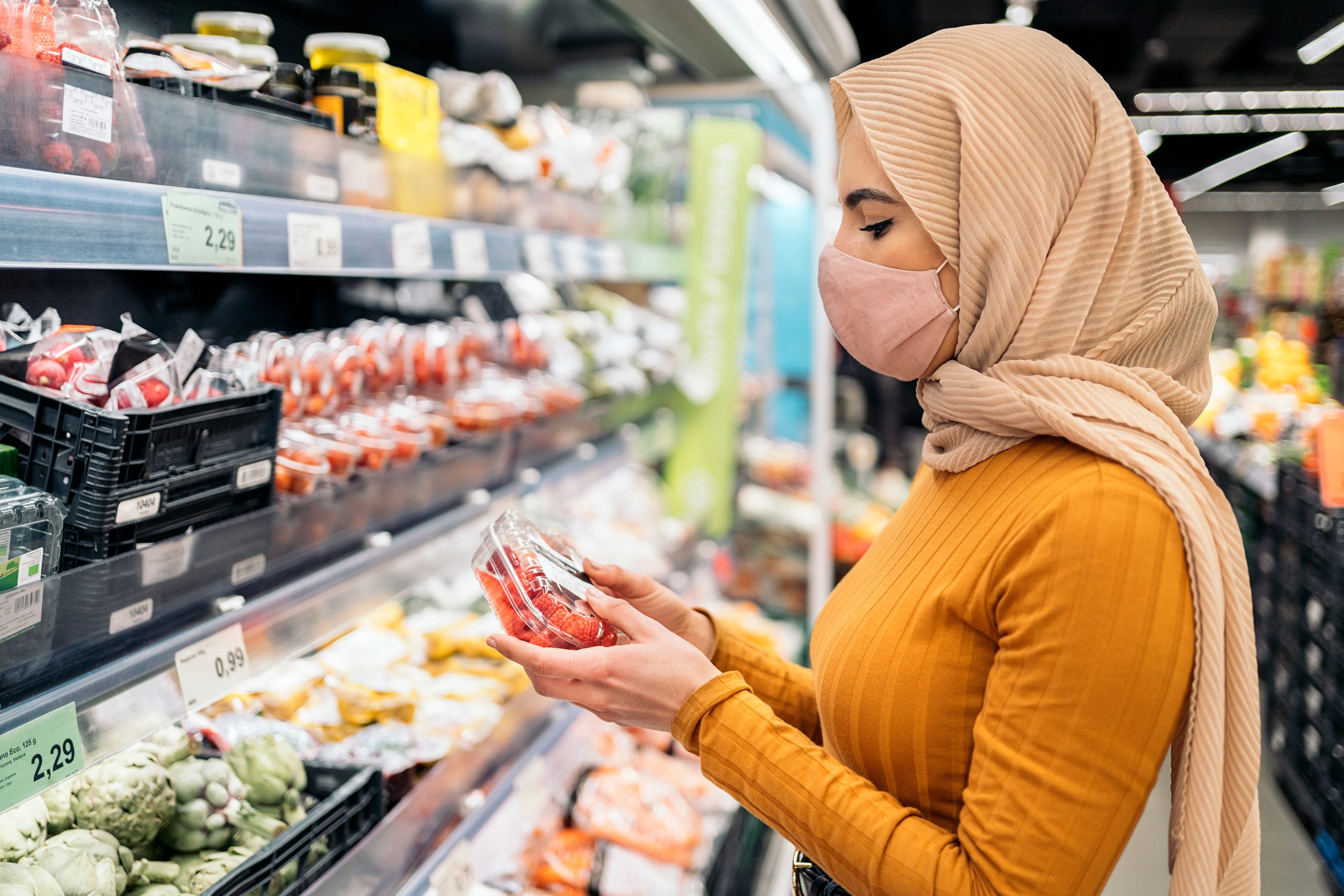
3. Read Ingredient Labels Carefully
Ingredient labels are crucial when determining if a product is halal:
-
Check for Non-Halal Items: Look for pork, lard, gelatin, animal fats, or alcohol.
-
Be Wary of E-Numbers: Some food additives like E120 (cochineal/carmine) or E441 (gelatin) can be non-halal depending on the source.
-
Look for Plant-Based Alternatives: Vegetable oils, plant-based gelatin, and vegan cheese are usually halal-friendly.
Tip: If an ingredient is unclear, research it online or contact the manufacturer.
4. Identify Common Halal Ingredients
Halal foods generally include ingredients that are permissible and wholesome:
-
Meat and Poultry: Chicken, beef, lamb, goat, and fish that are halal-certified.
-
Grains and Legumes: Rice, wheat, lentils, chickpeas, beans, and quinoa.
-
Dairy Products: Milk, yogurt, cheese, and butter, ensuring they are halal-certified.
-
Vegetables and Fruits: All fresh vegetables and fruits are naturally halal.
-
Spices and Herbs: Most spices and herbs are halal, but check blends for additives.
-
Oils and Fats: Olive oil, vegetable oil, coconut oil, and ghee (if halal-certified).
-
Condiments and Sauces: Must be free from alcohol, non-halal gelatin, or pork-derived ingredients.
Tip: Fresh, unprocessed ingredients are generally safe and halal.
5. Be Careful with Processed Foods
Processed foods are more likely to contain non-halal ingredients:
-
Sausages and Hot Dogs: May contain pork or non-halal gelatin.
-
Gelatin-Based Desserts: Confirm the source of gelatin.
-
Prepared Sauces and Dressings: Some may contain wine, alcohol, or animal-derived additives.
-
Bakery Items: Some breads or pastries may contain lard or non-halal gelatin.
Tip: Always check the ingredient list and look for halal certification for packaged and processed items.
6. Cross-Contamination Awareness
Even halal ingredients can become non-halal through cross-contamination:
-
Use separate utensils, cutting boards, and cooking surfaces for halal and non-halal foods.
-
Avoid frying halal items in oil previously used for non-halal foods.
-
Wash hands thoroughly before preparing halal meals.
Tip: Maintain a halal-only cooking area at home if possible.
7. When in Doubt
If you are unsure about an ingredient:
-
Research the Ingredient: Check its source and whether it is derived from halal-certified animals.
-
Ask the Manufacturer: Contact the company for clarification.
-
Choose Alternatives: Replace doubtful ingredients with plant-based or clearly halal options.
Tip: Choosing simple, fresh, and unprocessed ingredients reduces the risk of accidentally using haram products.
Conclusion
Identifying halal food ingredients is essential for anyone following Islamic dietary laws. By understanding what is haram, looking for halal certification, reading labels carefully, and being mindful of cross-contamination, you can ensure that your meals are safe, wholesome, and delicious.
Familiarity with common halal ingredients—such as certified meats, grains, dairy, vegetables, and spices—along with careful handling and preparation, allows you to cook confidently and creatively. Whether at home, shopping, or dining out, knowing how to identify halal ingredients ensures that every meal is compliant, nutritious, and satisfying.
With practice and awareness, identifying halal ingredients becomes second nature, allowing you to enjoy a variety of meals without compromising your dietary principles.