





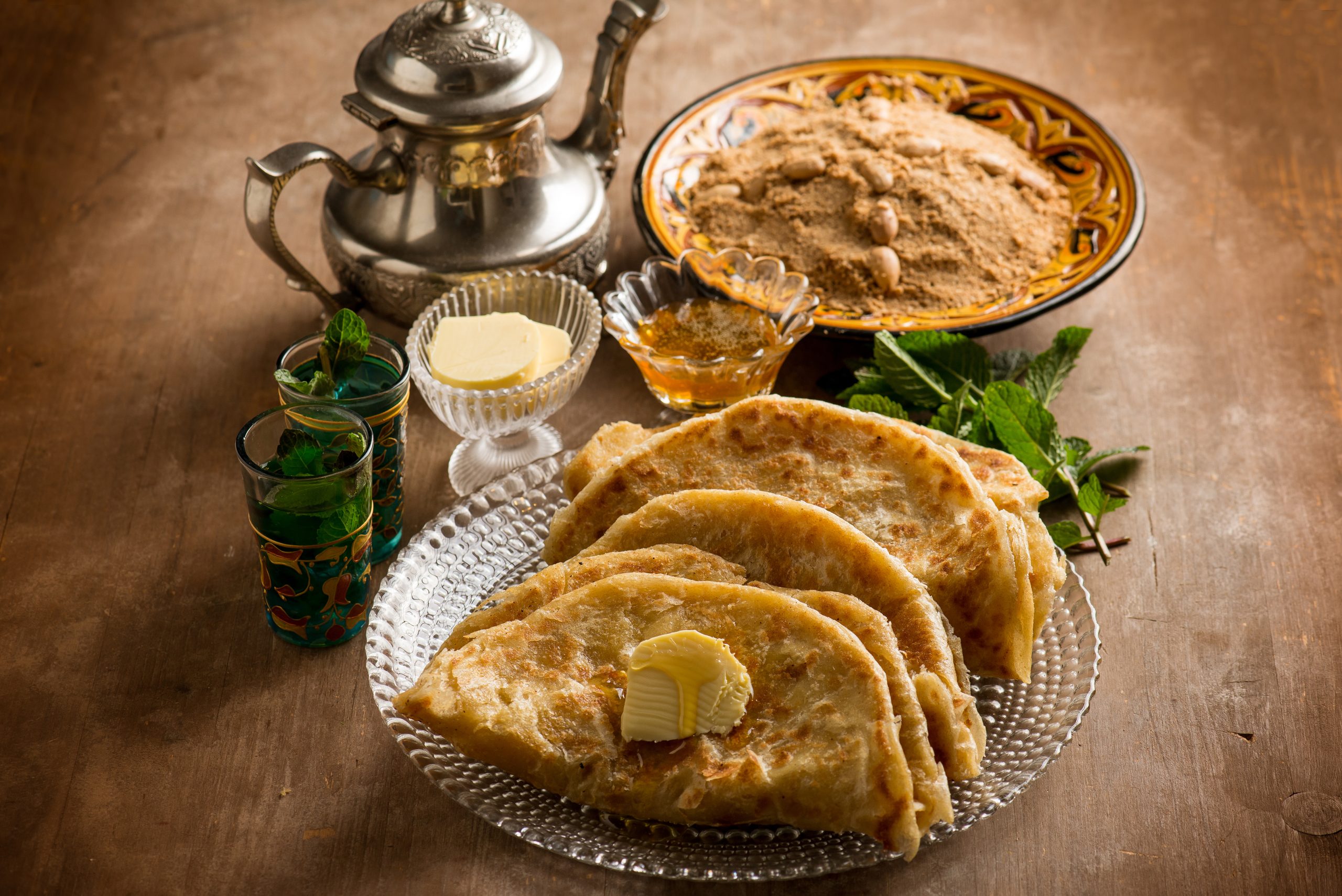


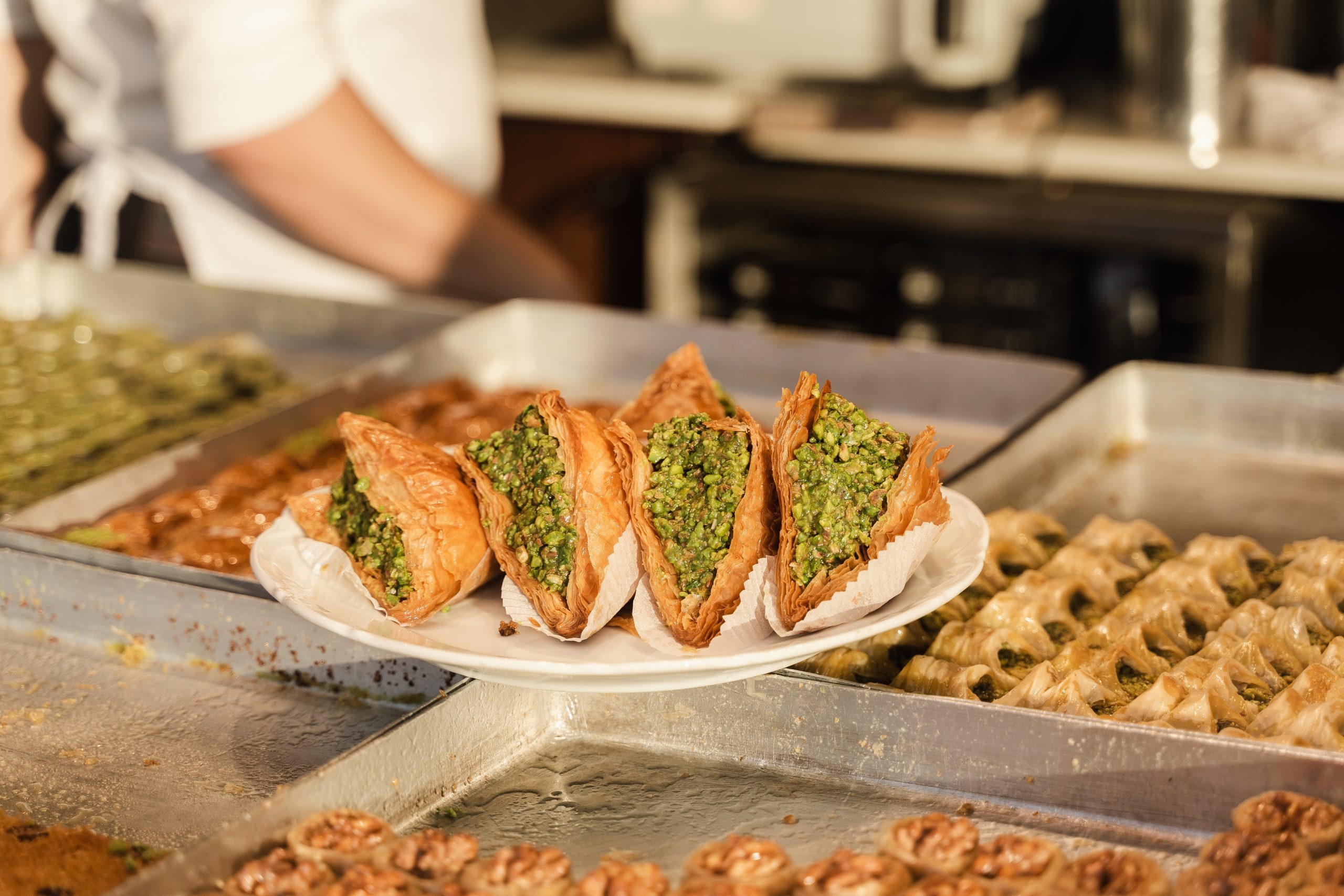
The Middle East is renowned for its vibrant street food culture, combining bold spices, fresh ingredients, and halal-compliant recipes that satisfy both locals and travelers. Halal street foods in this region are crafted using permissible meats, dairy, and oils, ensuring that everyone can enjoy these culinary delights without worry. From savory kebabs to sweet treats, Middle Eastern street food offers an unforgettable taste of tradition and culture.
In this blog, we will explore some of the most popular Middle Eastern halal street foods, highlighting their flavors, preparation, and why they have become beloved staples in the region.
Why Middle Eastern Halal Street Food Is Special
Middle Eastern halal street food stands out because:
-
Bold and Unique Flavors: A mix of spices like cumin, coriander, sumac, and za’atar create distinctive tastes.
-
Fresh Ingredients: Meats, vegetables, and herbs are prepared fresh daily.
-
Halal-Friendly: All dishes comply with Islamic dietary laws.
-
Affordable and Accessible: Street foods are quick, convenient, and budget-friendly.
-
Cultural Experience: Each dish tells a story of history, tradition, and regional identity.
Whether in Dubai, Beirut, Istanbul, or Cairo, halal street food is a delicious window into Middle Eastern culture.
1. Shawarma
Shawarma is one of the most iconic Middle Eastern street foods. Thinly sliced halal meat (chicken, beef, or lamb) is marinated with spices, slow-roasted on a vertical spit, and shaved onto flatbreads.
How to Enjoy: Served in pita or laffa bread with garlic sauce, tahini, pickles, and fresh vegetables. Shawarma is juicy, flavorful, and perfect for a quick meal on the go, making it a staple in every city.
2. Falafel
Falafel consists of deep-fried patties made from ground chickpeas or fava beans, seasoned with garlic, parsley, cumin, and coriander.
How to Enjoy: Served in pita bread with tahini, salad, and pickles, or as part of a mezze platter. Falafel is crispy on the outside, soft on the inside, and a favorite vegetarian halal street food across the Middle East.
3. Kebabs
Kebabs are skewered halal meat grilled over open flames, offering smoky, rich flavors. Common varieties include shish kebabs, kofta kebabs, and lamb skewers.
How to Enjoy: Served with rice, flatbreads, or alongside vegetables and yogurt sauce. Kebabs are a must-try for meat lovers, widely sold at night markets and street stalls.
4. Manakish
Manakish is a Middle Eastern flatbread topped with za’atar, cheese, or minced meat and baked to perfection.
How to Enjoy: Often eaten for breakfast or as a snack, manakish is crispy, aromatic, and simple yet deeply satisfying. Street vendors bake them fresh daily, giving an authentic taste of the region.
5. Hummus with Warm Pita
Hummus is a creamy blend of chickpeas, tahini, olive oil, lemon juice, and garlic. While it may not be a “hot street snack,” it is often served in casual eateries and markets.
How to Enjoy: Dip warm pita bread into hummus or enjoy it alongside falafel or grilled meats. This classic dish is healthy, filling, and halal.
6. Kunafa
Kunafa is a sweet Middle Eastern dessert made from shredded pastry soaked in sugar syrup and layered with cheese or cream.
How to Enjoy: Served warm with a sprinkle of pistachios, it’s rich, sweet, and indulgent, making it a popular dessert at street stalls and during Ramadan.
7. Stuffed Grape Leaves (Dolma)
Dolma consists of grape leaves stuffed with rice, herbs, and sometimes minced halal meat, seasoned with spices and olive oil.
How to Enjoy: Served warm or at room temperature with yogurt sauce, dolma is savory, aromatic, and commonly found in Middle Eastern street markets.
Tips for Enjoying Middle Eastern Halal Street Food
-
Look for Halal Certification or Muslim Vendors: Most street vendors follow halal standards, but it’s good to check.
-
Try Regional Specialties: Cities have signature dishes that are unique to the area.
-
Start Small: Portions can be generous; sampling multiple dishes is recommended.
-
Mind the Spice: Middle Eastern street food can be lightly to moderately spiced; ask vendors for adjustments.
-
Observe Hygiene: Choose stalls with clean cooking areas for a safer dining experience.
Conclusion
Middle Eastern halal street foods are rich in flavor, culture, and tradition. From shawarma, falafel, kebabs, manakish, hummus, kunafa, to stuffed grape leaves, these dishes showcase the diverse culinary heritage of the region.
Street food in the Middle East is not just about eating; it’s about experiencing culture, community, and history with every bite. Whether you are a traveler exploring the bustling streets of Dubai, Beirut, or Cairo, or a foodie recreating these recipes at home, Middle Eastern halal street foods offer a satisfying and authentic culinary adventure.